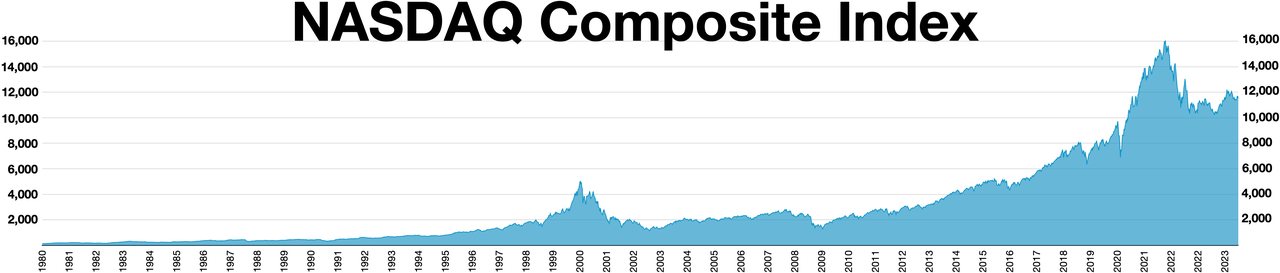
On November 13, 1998, a website nobody had heard of called theGlobe.com went public on the Nasdaq. The shares were priced at $9. When trading opened at 9:30 in the morning, the first trade printed at $87. By the end of the day, the stock closed at $63.50, a 606 percent gain from the offering price. That number, 606 percent, was the largest first day pop in the history of American IPOs at that point. It still is. No company before or since has gone public and gained more on day one.
theGlobe.com had been founded three years earlier by two Cornell undergraduates, Stephan Paternot and Todd Krizelman, who built it as a homemade social network in a dorm room in 1995. By the time the stock closed on that Friday afternoon in 1998, both founders were paper millionaires worth more than $100 million each. They were 24 and 25.
Here is the part that matters. The company had roughly $5 million in revenue that year. It had never turned a profit. It would not turn a profit in any year of its existence as a publicly traded community website. And by 2001, the stock would be trading for less than 10 cents a share, a 99 percent collapse, on its way to delisting.
theGlobe.com is the cleanest case study of the dot-com bubble that exists. Not the biggest, not the most consequential, not the one with the most famous tech graveyard. Pets.com had the better mascot. Webvan had the bigger flameout. But theGlobe.com captured something specific that you cannot get from the others: the moment when the public market lost its mind, before anyone wanted to admit anything was wrong. It was the canary, except the canary was wearing vinyl pants on television and the miners decided that meant the air was fine.
The Cornell Origin Story
The standard version of the founding goes like this. Stephan Paternot and Todd Krizelman met as freshmen at Cornell University in 1992. Both were undergraduates, both interested in the early commercial internet. In the spring of 1994, they took a computer science course and noticed something about the early web: there was no good way for ordinary people to talk to each other on it. There were Usenet groups, IRC channels, and clunky bulletin boards, but if you were a regular college student who had just gotten an internet account, there was no front door.
So in the spring of 1995, with about $15,000 of seed money from friends and family, they built one. They called it theGlobe.com. The pitch was simple: a website where anyone could create a free homepage, join interest based communities, and chat with strangers across the world. Think of it as GeoCities, Yahoo Groups, and AOL chat rooms in one place, two years before any of those concepts had really crystallized.
theGlobe.com was, by 1996 and 1997 standards, a meaningful site. It had hundreds of thousands of registered users by 1997. It had advertising deals. It had press coverage. Paternot and Krizelman raised real venture money, including a $20 million Series D investment in August 1997 from Dancing Bear Investments, led by entrepreneur Michael Egan, that gave Egan a controlling stake. By 1998, the site claimed roughly 2.5 million registered members.
What it did not have was profit. Or a path to profit. Or, increasingly, much of a competitive moat. By 1998, GeoCities had been bought by Yahoo for around $3.6 billion in stock. AOL was buying everything in sight. Tripod and Angelfire had become serious community hosts. theGlobe.com was a credible but mid tier player in a category that was about to consolidate. None of which mattered, because the market was about to lose its mind.
The IPO Heard Around Wall Street
The plan, originally, was to price the IPO at $11 to $13 a share and raise about $30 million. That was the underwriter consensus from Bear Stearns. But by early November 1998, the market for internet IPOs was getting frothy. Bear Stearns and the company decided to lower the offering price to $9, which sounds counterintuitive until you understand the game. Pricing it lower at the offering meant retail traders would chase the stock in the secondary market, which would generate buzz, which would prime the well for follow on offerings.
What nobody at Bear Stearns predicted was how much the public market wanted internet stocks. On November 13, 1998, a Friday, theGlobe.com began trading. The opening trade printed at $87. The stock immediately ran to $97 within minutes. CNBC cut into regular programming. Bloomberg terminals lit up across Wall Street. The closing price of $63.50 still represented a 606 percent gain from the $9 offering, which made theGlobe.com the largest first day pop in IPO history.
The market capitalization at the close was around $840 million. The company's total revenue for 1998 would come in at roughly $5.5 million. The price to sales ratio at the close of the first trading day was roughly 150 to 1. For context, a normal mature company trades at a price to sales ratio of 1 to 3. theGlobe.com was being valued like the future cash flows of a Fortune 100 company on day one of being public.
Paternot and Krizelman, who each owned about 13 percent of the company, were suddenly worth more than $100 million each on paper. They were both 24 and 25 years old. They were also locked up, meaning they could not sell shares for 180 days. By the time the lockup expired in May 1999, the stock had fallen to around $19. By the end of 1999, it was around $5.
The Vinyl Pants and the Camera Crew
Here is the cultural artifact that came out of the IPO, and it is the part that everyone who lived through the dot-com era remembers. CNN had been following theGlobe.com for a feature piece. They had a camera crew at Paternot's apartment in New York. The night of the IPO, Paternot threw a small party at a club in lower Manhattan called Life. He was wearing tight black vinyl pants. He danced on a banquette while a CNN reporter held a microphone. At one point in the segment, Paternot grinned at the camera and said:
"Got the girl. Got the money. Now I'm ready to live a disgusting, frivolous life."
The clip aired. It looped on financial television. It became a kind of shorthand for the dot-com excess that everyone could feel but nobody could quite name. Two years later, when the crash came, the clip resurfaced. It got pulled into documentaries. It got referenced in books. Paternot, to his credit, has been candid about the line. He has said in subsequent interviews and in his memoir A Very Public Offering that the comment was meant to be ironic, that he was riffing on the absurdity of suddenly having 100 million dollars on paper at 24. The irony did not translate. What translated was: vinyl pants, frivolous, dot-com kids drunk on money.
Look. He was 24. He had just been handed a paper net worth larger than the GDP of small island nations. He was in a club in Manhattan with a CNN crew. He was going to say something dumb. But the dumbness became the story, and the story became the bubble.
What theGlobe.com Actually Was, As a Product
Strip away the IPO and the vinyl pants, and theGlobe.com was a reasonable, well executed, fundamentally weak product. The site let users build free homepages with template based editors. It had themed channels: politics, music, sports, dating. It had chat rooms organized by topic. By 1999 it had bought a few smaller properties, including Computer Games magazine and a game site called Happy Puppy. It had close to 4 million registered members at its peak.
The problem was not the product. The problem was the math of the product. Community sites in the late 1990s monetized through banner ads, and the average CPM for a banner ad on a community site in 1998 was around $20. To support a $840 million valuation through advertising alone, theGlobe.com would have needed to scale page views to numbers that no consumer internet company had ever reached. Yahoo had reached that scale, barely, and Yahoo was an aggregator with portal traffic and serious technology behind it. theGlobe.com was a community site competing for the exact same eyeballs that GeoCities, Tripod, and Angelfire were chasing, with worse distribution and a smaller content footprint.
Here is the thing. Paternot and Krizelman knew this. They were not stupid. They were not even particularly reckless. They had built a real company, raised real money, and shipped a real product. The 606 percent first day pop was not something they engineered. It was something the market did to them. And then the market did the opposite thing two years later.
The Slow, Then Fast, Collapse
The unwinding of theGlobe.com is interesting because it happened in two phases. Phase one was the slow erosion of the share price through 1999. The stock peaked at $97 on day one, closed at $63.50 that day, and then mostly drifted down through 1999. By the end of 1999, it was trading around $5. This was not a crash. This was the market gradually figuring out what the company was actually worth, which was not $840 million.
Phase two was the crash itself. In March 2000, the Nasdaq peaked at 5,048. By April 2000, internet stocks were collapsing across the board. theGlobe.com fell with them. By the summer of 2000, it was under $2. By early 2001, it was under 10 cents. The company tried various pivots. It bought a VOIP service. It tried to become a publisher. It laid off most of its staff in two rounds in 2000 and 2001. In August 2001, theGlobe.com formally shut down its community site, the original product, and the founders left the board.
What was left was a public shell with a Nasdaq listing and a small VOIP business. It was eventually delisted and the corporate entity continued for years as a kind of zombie company, completing reverse mergers, never really doing anything. Paternot moved on, wrote his memoir A Very Public Offering, started a film financing company, and gave occasional interviews about the bubble. Krizelman went into private equity. They are both fine. They cashed out of enough early shares to be comfortable for life, and they have been thoughtful about the experience in interviews since.
What the Stock Pop Actually Meant
Here is the analytical question that is worth sitting with. What does a 606 percent first day IPO pop actually signify, mechanically? Most people read it as evidence that the company was worth a lot. It is not that. A first day pop is a measure of the gap between what underwriters thought institutional buyers would pay and what retail buyers actually paid. If a stock pops 600 percent, it means the institutional allocations got priced way too low, and retail demand was way too high.
In a healthy IPO market, the pop is 10 to 30 percent. That gap represents the underwriter's safety margin, the risk premium for taking down a block of shares. In late 1998 and 1999, that gap blew open. By the peak of the bubble in early 2000, the average tech IPO was popping more than 80 percent on day one. The market was telling the underwriters that the entire pricing apparatus was broken. The underwriters listened, raised prices, kept underpricing, kept seeing pops. Nobody wanted to be the one who priced an IPO correctly and underdelivered on day one excitement.
theGlobe.com was the first major signal that the apparatus had broken. The signal got ignored because the breakage looked, in the moment, like incredible success. This is essentially what happens in any speculative bubble. The signals that something is wrong arrive disguised as evidence that everything is right. By the time the signal becomes undeniable, the unwind is already underway.
The Modern Parallel
Every speculative cycle since 1998 has had its theGlobe.com moment. Twitter's 2013 IPO popped 73 percent on day one. Snap popped 44 percent in 2017. In the 2020 to 2021 SPAC boom, there were multiple 200 percent and 300 percent first day pops in shell company mergers. In 2023 and 2024, the AI infrastructure rally produced several public listings that doubled or tripled on day one.
None of these are exactly theGlobe.com. The exact 606 percent number has not been matched. But the underlying mechanism is the same: institutional underpricing, retail demand mania, and a market consensus that this time the math is different. The math is rarely different. What is different is the willingness of the market to wait for the math to assert itself, which can be months or years.
If you want a single, portable lesson from theGlobe.com, here it is. A first day pop is not a signal that the company is worth more than expected. It is a signal that the gap between expert valuation and public enthusiasm has widened. The wider that gap, the louder the noise, the more careful you should be. The companies that survive long term tend not to pop 606 percent on day one. They tend to grind upward over years, with quarterly evidence behind them.
What Happened to the Founders
Paternot wrote his memoir, A Very Public Offering, which came out in 2001 and was updated in a later edition. He started Slated, a film financing platform, and has remained active in early stage tech and media investing. Krizelman went into private equity and operates more quietly. Both have given interviews over the years acknowledging that the IPO was a strange, lucky, partly absurd moment in their lives. Neither of them takes credit for the 606 percent pop, because neither of them caused it.
The shell company that was theGlobe.com cycled through a few corporate incarnations and was eventually used for reverse merger purposes. The original community site, the actual product these two undergraduates built, has not existed in any meaningful form since 2001. The domain theglobe.com bounces around. The thing itself is gone.
The Lesson That Did Not Take
The dot-com bubble is one of the most studied financial events of the modern era. There are entire courses on it at MIT Sloan and Harvard Business School. There are dozens of books. There are documentaries. theGlobe.com is a footnote in most of them, mentioned briefly as the holder of the all time first day pop record. And yet, every five to ten years, a new generation of public market investors discovers that you can sometimes triple your money on the first day of an IPO, and they pile in, and the cycle restarts.
The real lesson of theGlobe.com is not that the founders were greedy, or that the underwriters were corrupt, or that 1990s investors were dumb. None of that is quite right. The real lesson is that public markets are very good at pricing established companies with cash flows, and very bad at pricing brand new categories where the future cash flows are speculative. When a category is new enough that nobody really knows what it is worth, the price becomes a function of crowd sentiment, not fundamentals. theGlobe.com was the first time that pattern showed up at maximum volume. It will not be the last.
Frequently Asked Questions
When did theGlobe.com IPO and what was the stock price?
theGlobe.com went public on November 13, 1998 on the Nasdaq. The offering price was $9 per share. The stock opened at $87, reached an intraday high of $97, and closed at $63.50. That closing price represented a 606 percent gain over the offering, which remains the largest first day pop in US IPO history.
Who founded theGlobe.com?
theGlobe.com was founded in 1995 by Stephan Paternot and Todd Krizelman, who were undergraduates at Cornell University. The company began with about $15,000 in seed capital from friends and family and grew into a community website with millions of registered members by the time of its IPO.
How much was the company worth at its peak?
At the close of the first day of trading on November 13, 1998, theGlobe.com had a market capitalization of roughly $840 million. The company's actual revenue for 1998 was approximately $5.5 million. The price to sales ratio at the close of the first trading day was roughly 150 times, far beyond the range for any sustainable business.
What killed theGlobe.com?
theGlobe.com was undone by a combination of structural issues. Its community website model relied on banner advertising in a category that was rapidly being consolidated by Yahoo, AOL, and other portals. It never reached profitability. Its share price collapsed through 1999 as the market reassessed the valuation, and the dot-com crash in 2000 and 2001 finished the job. The community site shut down in August 2001.
What is the vinyl pants quote and who said it?
The line was delivered by co-founder Stephan Paternot to a CNN camera crew on the night of theGlobe.com's IPO in November 1998. While dancing at a New York City club, wearing tight black vinyl pants, he told the camera: "Got the girl. Got the money. Now I'm ready to live a disgusting, frivolous life." Paternot has since said the line was intended ironically, but it became a defining cultural artifact of the dot-com era.
Does theGlobe.com still exist?
The original community website shut down in August 2001. The publicly traded corporate entity continued for years as a holding shell, eventually delisting from the Nasdaq and being used for various reverse merger and small business purposes. The domain theglobe.com has not hosted the original product since the early 2000s.