Is Encarta still available in 2026?
No. Microsoft has not sold or hosted Microsoft Encarta since 2009, and nothing carries the name today.
The wind down ran in stages across a single year. Microsoft announced the end on March 30, 2009. Sales of Encarta Premium and the Microsoft Student bundle it shipped inside stopped worldwide in June 2009. The MSN Encarta websites went dark on October 31, 2009 in every country except Japan, where the site ran to the end of December 2009. The Encarta dictionary content stayed online until 2011, and that was the last piece to switch off.
There is no subscription, no download page and no support line in 2026. Microsoft never licensed the brand to another publisher the way failing reference titles often change hands, so no rival edition of Encarta exists either. It was turned off rather than sold, the same ending other parts of the MSN family got, including MSN Messenger.
Can you still download and run Encarta today?
Unofficially, yes, and for nothing. The Internet Archive hosts full disc images of Encarta, including Microsoft Encarta Premium 2009, the final release, with earlier editions from Encarta 95 through Encarta 2006 in several languages beside it.
Getting it running is the harder half. Encarta Premium 2009 was written for the Windows desktops of 2008, so the dependable route is a virtual machine with a period version of Windows rather than a direct install on a 2026 computer. Nothing in it phones home, because the servers are long gone, which means the whole encyclopedia works offline exactly as it did on release day. It also means the content is frozen in 2008: every population figure, head of state and space mission in it stops there.
Where to find one today: the disc images at the Internet Archive cost nothing and are the sensible first stop. If the physical box is the point, Encarta CD-ROM and DVD editions from the mid 1990s through 2009 show up regularly in vintage software listings on Etsy, loose discs far more often than sealed copies. What a copy costs depends on the edition and the packaging, and no edition of Encarta is scarce.
Why did Microsoft shut Encarta down?
Because free won, and by 2009 it was not close. In January 2009, Wikipedia took 97 percent of the visits United States web users made to online encyclopedias, according to the measurement firm Hitwise. MSN Encarta was second with 1.27 percent, followed by Encyclopedia.com at 0.76 percent, Fact Monster at 0.72 percent and Britannica.com fifth at 0.57 percent.
Microsoft said the same thing in the notice it posted for customers in 2009: "The category of traditional encyclopedias and reference material has changed. People today seek and consume information in considerably different ways than in years past."
The business model finished the job. Encarta paid editors, licensed photographs and video, pressed discs and shipped a new edition once a year, and Wikipedia was written and corrected by volunteers, updated within hours of an event, and free. Microsoft had also spent years giving Encarta away with new PCs to win the market, which taught buyers to treat the encyclopedia as a free extra. When a free competitor arrived on the web, there was little paying revenue left to defend.
What was inside Encarta, and what was MindMaze?
By 2008 the complete English edition, Encarta Premium, held more than 62,000 articles, along with an atlas, timelines, and audio and video clips that no printed set could carry. That was the pitch: an encyclopedia you clicked instead of carried.
What people remember is rarely the articles. It is MindMaze, the trivia game hidden inside the encyclopedia, where the player explores a castle by answering questions whose answers sit in the encyclopedia's own entries. Plenty of households met Encarta through a child who never opened it for homework and finished the castle anyway.
Microsoft was shipping a lot of friendly consumer software in those years, including Clippy, and Encarta was the one that earned goodwill rather than jokes. It also served a second purpose for Microsoft: a reason to buy a PC with a CD-ROM drive and a sound card at a moment when multimedia hardware needed selling.
Where did Encarta's articles come from?
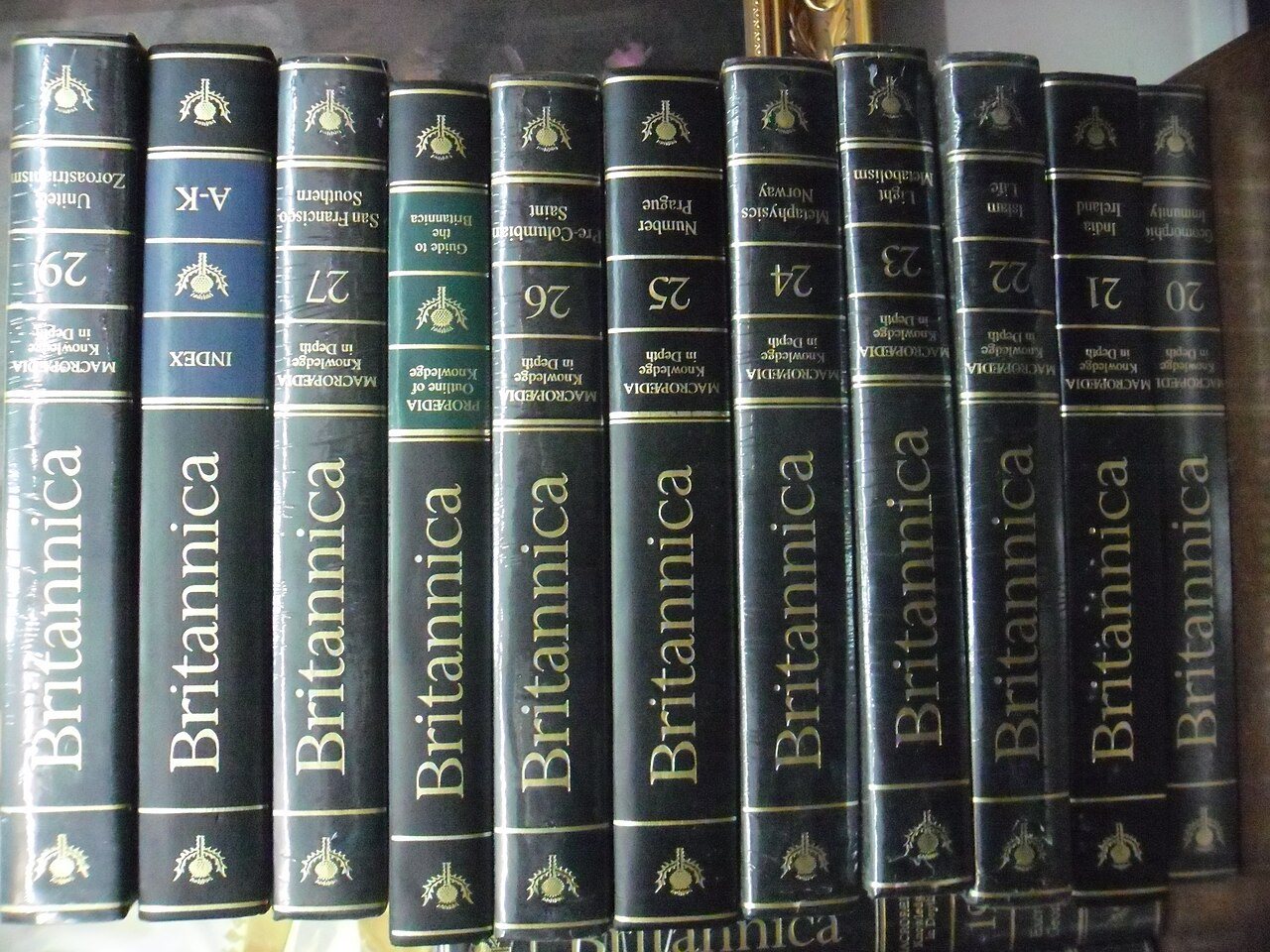
Not from Microsoft. The company went to Encyclopaedia Britannica first, in 1985, and was turned down, because a CD-ROM did not fit a publisher selling leather-bound prestige door to door. By 1989 Microsoft had a non-exclusive deal for the 29-volume Funk and Wagnalls New Encyclopedia instead, and that text became the basis of the first edition.
More bought-in material followed. In the late 1990s Microsoft acquired Collier's Encyclopedia and the New Merit Scholar's Encyclopedia from Macmillan and folded both into Encarta. The last version of Encarta was effectively the successor to all three, and none of those encyclopedias stayed in print for long after being merged into it.
The pricing did the rest of the damage to print. Encarta arrived on March 22, 1993 at $395, dropped to $99, and was then handed out with new computers, including the wave of machines that followed the Windows 95 launch. A household that would never spend four figures on a bookshelf set would take a disc for nothing.
Was Encarta ever meant to last?
The people who built it did not think so. Tom Corddry, who ran Microsoft's multimedia group, told Business Insider in 2015: "We knew from the beginning that we were a temporary business, eventually to be overtaken by the internet."
That is close to what happened, with one correction: the internet did not beat Encarta with a better encyclopedia so much as with a bigger and faster one that cost nothing. Wikipedia replaced it for practical purposes in 2009, backed by web search for everything else, and the joke in the coverage at the time was that you could read all about the shutdown on Wikipedia.
Microsoft has announced no plan to revive it. There has been no Encarta product of any kind since the dictionary went offline in 2011, and the company's reference work now runs through search and its AI assistants rather than a branded encyclopedia. What survives is the expectation Encarta created in the 1990s: that reference material should be searchable, illustrated, instant and cheap. Something else met that expectation better and for free, which is the whole story in one sentence.
Frequently Asked Questions
Is Encarta still available to buy in 2026?
No. Microsoft stopped selling every edition of Microsoft Encarta worldwide in June 2009 and closed the MSN Encarta websites on October 31, 2009, and there has been no official version since. Free disc images of Encarta Premium 2009 and earlier editions are hosted on the Internet Archive, and second-hand discs turn up in vintage software listings.
Can Encarta run on Windows 11?
Not reliably as a direct install. Encarta Premium 2009 was written for the Windows desktops of 2008, so the usual approach in 2026 is a virtual machine running a period version of Windows with the disc image from the Internet Archive mounted inside it. Encarta needs no internet connection, since Microsoft shut its servers down in 2009.
Did Wikipedia really kill Encarta?
Wikipedia was the direct cause of Encarta's 2009 shutdown, though not the only one. By January 2009 Wikipedia had 97 percent of United States visits to online encyclopedias against 1.27 percent for MSN Encarta, according to Hitwise, and Microsoft's habit of bundling Encarta free with new PCs through the 1990s meant there was little paying revenue left to protect by then.