What Happened to Clippy, the Paperclip Everyone Loved to Hate

250 Characters Walked Into a Focus Group. The Paperclip Won.

In 1996, a team of designers, engineers, and Stanford social psychologists working inside Microsoft's Office division had a problem. They'd spent months developing a new help system for Office 97, one built around an animated virtual assistant that would watch what you were doing and proactively offer guidance. The concept was grounded in real academic research. The execution involved testing roughly 250 different character designs through six months of focus groups. And after all of that research, all of that money, all of those carefully controlled experiments, the winner was a paperclip with googly eyes.

His official name was Clippit. The world called him Clippy. And within three years, he would become the most hated feature in the history of personal computing.

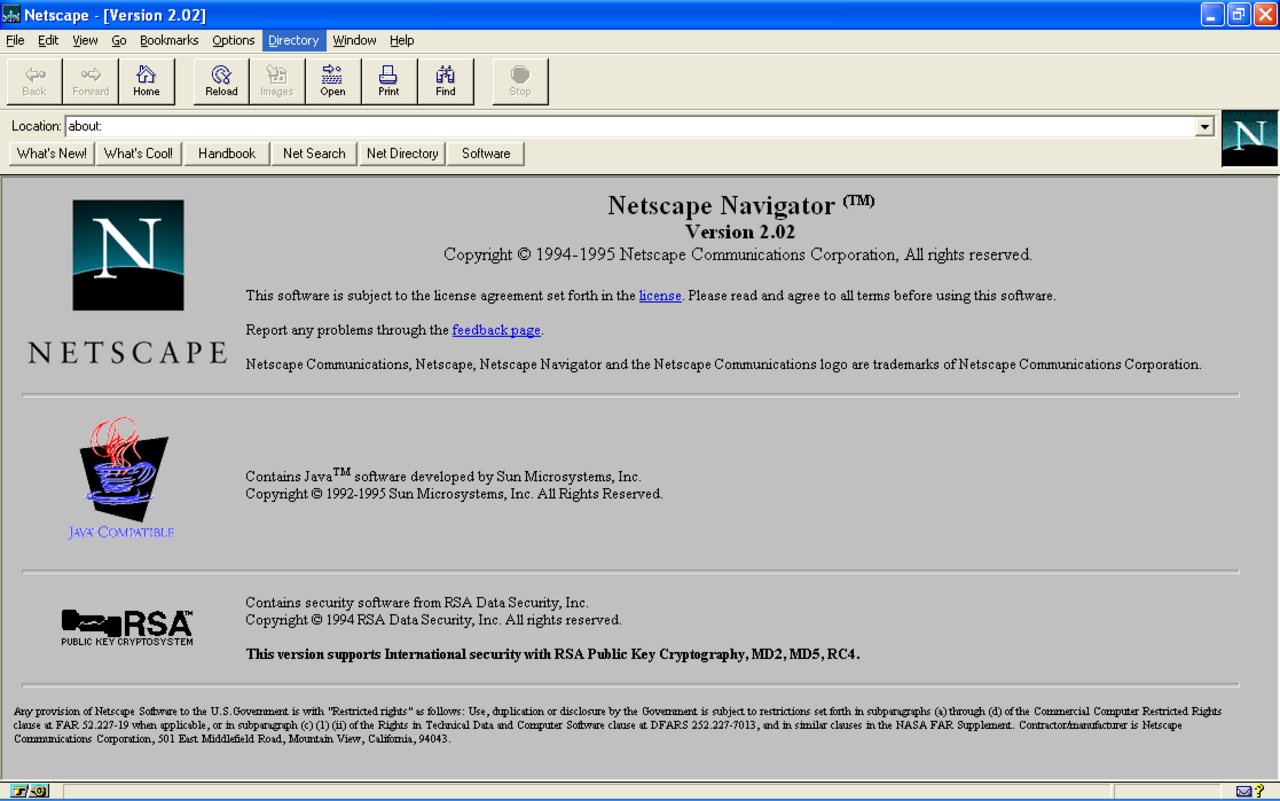
Netscape Navigator 2 browser screenshot showing the 1990s software interface era
The mid-1990s software interface. This was the era when Microsoft believed users needed a friendly animated guide to navigate their applications.

The story of Clippy is often told as a simple joke. Microsoft made an annoying paperclip, everyone hated it, they got rid of it. But the real story is more interesting than that. It involves a failed predecessor called Microsoft Bob, a genuine misunderstanding of academic research, one of the most expensive user testing programs in software history, and a lesson about the gap between what people say they want and what they actually tolerate. It's also, whether Microsoft intended it or not, the most important cautionary tale in the history of AI assistants.

The Research That Started Everything

The intellectual foundation for Clippy came from Stanford University, specifically from the work of two professors: Clifford Nass and Byron Reeves. In the early 1990s, Nass and Reeves developed a theory that would reshape how the tech industry thought about human-computer interaction. Their finding was deceptively simple: people unconsciously apply human social behaviors to computers.

The experiments were clever. When a computer program gave users positive feedback about their work, users rated the program more favorably, even when they knew the feedback was automated and meaningless. When a program was "rude," delivering terse, unhelpful responses, users described feeling genuinely offended. People would describe software as "friendly" or "aggressive" without any awareness that they were anthropomorphizing a tool. Nass and Reeves called this the "media equation," and they eventually published their findings in a 1996 book titled "The Media Equation: How People Treat Computers, Television, and New Media Like Real People and Places."

Microsoft paid attention. If people were already treating computers as social actors, the reasoning went, why not lean into it? Why not give the computer an actual social presence, a character that could interact with the user, read the room, and offer help at the right moment?

The idea wasn't crazy. The execution, however, would prove to be.

Microsoft Bob: The Predecessor Nobody Remembers

Before Clippy, there was Bob.

Microsoft Bob launched on March 10, 1995, personally introduced by Bill Gates. The concept was ambitious: replace the standard Windows desktop with a virtual house. Instead of clicking on program icons, you'd walk through rooms. The living room had a calendar. The study had a word processor. A cartoon dog named Rover guided you around, offering tips and encouragement.

Bob was designed for people who found Windows intimidating, specifically the first-time computer buyers that the mid-1990s PC boom was attracting. Microsoft hired Nass and Reeves as consultants and invested heavily in making the interface feel warm and approachable. The problem was that Bob treated every user like someone who had never touched a computer before. For anyone with even basic competency, it was condescending.

Bob launched at $99 and was discontinued within a year. It became one of the most notorious flops in Microsoft's history. CNET later named it one of the 25 worst tech products of all time. But inside Microsoft, the core idea persisted. The thinking wasn't that social computing was wrong. The thinking was that Bob had been too ambitious, too all-encompassing. What if, instead of replacing the entire desktop, they embedded a social character inside an existing application? Something smaller. Something optional. Something helpful.

That thinking led directly to the Office Assistant.

How Clippy Was Actually Built

The Office Assistant project was part of Office 97's development, and it was not a small effort. Microsoft assembled a team that included software engineers, user interface designers, and external consultants including the Stanford social psychologists who had inspired the project in the first place.

Illustrator Kevan Atteberry was brought in to design the characters. He and the broader team produced roughly 250 different character concepts. The range was enormous: animals, robots, abstract shapes, household objects, cartoon humans. Each character needed to convey approachability, intelligence, and helpfulness without being annoying. Which, in retrospect, turned out to be the hard part.

Microsoft ran these designs through six months of focus groups. They tested which characters people found most trustworthy, most engaging, most endearing. The focus groups involved members of the public evaluating different character designs based on specific social criteria. Atteberry himself contributed about 15 to 20 of the designs personally.

The result? Clippy. The paperclip ranked number one in trustworthiness, engagement, and endearment across the focus group data. Out of 250 options, the googly-eyed paperclip beat them all.

Here's where it gets interesting. Alan Cooper, the programmer widely known as the "Father of Visual Basic," later described the entire Office Assistant concept as being built on what he called a "tragic misunderstanding" of the Nass and Reeves research. The Stanford work showed that people respond to computers as social actors. But there's a difference between recognizing that tendency and actively exploiting it. Nass and Reeves had demonstrated a subtle cognitive phenomenon. Microsoft built a cartoon character that leaned on your shoulder while you were trying to write a letter.

Collection of CDs representing the era of packaged software distribution
Office 97 shipped on CD-ROM to millions of users worldwide. Every single copy included Clippy, enabled by default.

Office 97 Ships, and the Complaints Begin Immediately

Microsoft Office 97 was released to manufacturing in November 1996 and hit retail shelves in January 1997. Clippy was enabled by default. This is a critical detail. Every single person who installed Office 97 got Clippy whether they wanted him or not. He would appear in the corner of the screen, watching you work. If you started typing what looked like a letter, up he'd pop: "It looks like you're writing a letter. Would you like help?" If you were formatting a document, he'd offer tips. If you were doing absolutely nothing unusual, he'd sometimes show up anyway, just to check in.

The problem wasn't that Clippy offered help. It was that he offered help constantly, usually at the wrong time, and the help he offered was rarely what you actually needed. His appearance was interruptive. He would animate, bobbing and twisting and tapping on the inside of your screen, demanding attention when you were trying to concentrate. Dismissing him didn't make him go away permanently. He'd come back. Always.

There was also a mismatch between what the focus groups had measured and what real-world usage revealed. In a controlled focus group setting, people rated the paperclip character as trustworthy and endearing. But a focus group interaction lasts minutes. Working with Clippy lasted hours, days, weeks. The character that seemed charming for five minutes became intolerable after five hours. What the research failed to capture was that the thing people find "endearing" in a brief encounter is often the thing that drives them insane with prolonged exposure.

This is the gap that Cooper identified. The Nass and Reeves research described how people respond to social cues from computers. It didn't prescribe building a character that interrupts your workflow with unsolicited advice. The research showed that users would be polite to a "friendly" program. It didn't show that users would enjoy being interrupted by one.

The Backlash Builds Into Something Cultural

By 1999, hating Clippy had become something close to a universal experience among computer users. It transcended demographics. Tech journalists wrote columns about how much they hated him. Office workers shared tips on how to disable him. IT departments began including "turn off the Office Assistant" in their standard setup procedures for new machines.

Smithsonian Magazine would later call Clippy "one of the worst software design blunders in the annals of computing." Time Magazine included him in a 2010 article listing the fifty worst inventions, alongside asbestos and the Ford Pinto. For context, that list also included chlorofluorocarbons, which destroyed the ozone layer. Clippy was ranked alongside actual environmental disasters.

The backlash wasn't just cultural noise. It represented a genuine user experience problem at scale. Microsoft Office was the dominant productivity suite on the planet. Hundreds of millions of people used it daily. And every single one of them had to actively figure out how to disable a feature that the company had spent millions of dollars developing and testing.

The Removal That Microsoft Turned Into Marketing

On April 11, 2001, Microsoft announced that Clippy would be removed from future releases of Office. But the company didn't just quietly kill the feature. They turned the removal into a marketing event, which, depending on your perspective, was either brilliant or deeply strange.

On May 31, 2001, during the Office XP launch event in New York City, a man dressed in a Clippit mascot costume interrupted the keynote presentation. He stumbled onto stage, gave a speech begging for his job back, and was then dragged off stage by a comically oversized magnet. The crowd loved it.

Microsoft launched a promotional website called officeclippy.com that featured Flash cartoons depicting an unemployed Clippy trying to find work. There was a parody song. There was a mini-game called "Office XP: Xtract Paperclip" where players fought off hordes of Clippys with office supplies. Microsoft had figured out something important: people enjoyed Clippy more as a joke than they ever had as a feature.

In Office XP itself, the Office Assistant was still technically present in the code but was no longer installed by default. You had to actively choose to enable it. Almost nobody did. The final removal came with Office 2007, which shipped on January 30, 2007, with the Office Assistant feature fully stripped out. It has not returned in any subsequent version of Microsoft Office.

The Lesson Microsoft Learned (and the Tech Industry Didn't)

Look. The Clippy story is often framed as a simple failure: Microsoft made something annoying, users complained, Microsoft removed it. But the actual lesson is more nuanced than that, and it's one that matters more today than it did in 1997.

What went wrong with Clippy wasn't the research. The Nass and Reeves findings about people treating computers as social actors were real and have been validated repeatedly. What went wrong was the application. Microsoft took a descriptive finding, people respond to computers socially, and turned it into a prescriptive design choice: therefore, let's create a social character that proactively inserts itself into the user's workflow.

The gap between those two things is enormous. The fact that people unconsciously respond to social cues from software doesn't mean they want software that acts social. People don't want their word processor to have a personality. They want it to work.

This is essentially the same tension that exists today with AI assistants. Every major tech company is now building products that proactively offer suggestions, anticipate needs, and insert themselves into workflows. The language has changed. Nobody calls them "Office Assistants" anymore. They're "copilots" and "AI companions" and "intelligent assistants." But the fundamental design question is identical to the one Microsoft faced in 1996: how do you build a helpful assistant that doesn't become an annoying interruption?

The answer, which Clippy demonstrated at great expense, is that the assistant must be invisible until summoned. It must never assume it knows what the user wants. It must never demand attention. And it must never, ever pop up to ask if you're writing a letter when you are obviously writing a letter.

Clippy's Afterlife: From Shame to Icon

Here's the strangest part of the Clippy story. After being universally hated for a decade, Clippy became beloved.

It started as ironic nostalgia. Around the early 2010s, Clippy memes began appearing on social media. People who had grown up with Clippy and cursed his existence as children now shared "It looks like you're..." jokes with genuine affection. The character that had symbolized everything wrong with late-1990s software design became a mascot for retro internet culture.

In July 2021, Microsoft tweeted that if a photo of Clippy received 20,000 likes, they would replace the standard paperclip emoji in Microsoft 365 with Clippy. The tweet received over 170,000 likes, and Microsoft followed through, updating the paperclip emoji to a Clippy-inspired design as part of a broader refresh of 1,800 emojis across its products. The character that Microsoft had publicly fired in 2001 was being invited back, not as a feature, but as a mascot.

Kevan Atteberry, Clippy's original designer, has had his own complicated relationship with his creation. He told interviewers that he used to be "so embarrassed" by Clippy that he left it out of his design portfolio for years. But the character's cultural longevity changed his perspective. As he put it, "It's important to me that people remember Clippy because as long as they do, I have cachet." He also revealed, in what might be the most perfect ironic detail in the entire story, that he designed Clippy on an Apple Macintosh.

What Clippy Got Right (Sort Of)

The final irony is this. Clippy was trying to solve a real problem. In the mid-1990s, most computer users were genuinely intimidated by software. Office 97 was complex. Word alone had hundreds of features that most users never discovered. The idea that software should proactively help users find the features they need wasn't wrong. It was just twenty years too early, and the execution was twenty years too crude.

Modern AI assistants, the ones built into Word, Google Docs, and every other productivity tool in 2026, do essentially what Clippy was trying to do. They watch what you're working on. They suggest improvements. They offer help. The difference is that they're better at reading context, better at staying quiet when they should, and better at providing help that's actually useful.

Clippy was the prototype. A $100 million prototype that everybody hated, but a prototype nonetheless. The research behind it was sound. The character design, according to the focus groups, was optimal. The technology just wasn't ready to deliver on the promise. The gap between "it looks like you're writing a letter" and a genuinely intelligent writing assistant turned out to be about three decades of machine learning research.

In that light, Clippy wasn't a failure. He was premature. Which, if you're a paperclip with googly eyes and a legacy that won't die, is probably the kindest interpretation available.

Frequently Asked Questions

What was Clippy and when was it introduced?

Clippy, officially named Clippit, was an animated paperclip character that served as the default Office Assistant in Microsoft Office 97, released to retail in January 1997. It would appear on screen to offer help and suggestions based on what the user appeared to be doing, such as writing a letter or formatting a document.

Who designed Clippy?

Clippy was designed by illustrator Kevan Atteberry as part of a larger project that produced roughly 250 character concepts. The designs were tested through six months of focus groups conducted with the help of Stanford social psychologists. Clippy was selected because focus group participants rated the paperclip character highest in trustworthiness and engagement.

Why was Clippy so annoying?

Clippy was enabled by default and would proactively interrupt users with unsolicited suggestions. The character animated to grab attention at inopportune moments, and dismissing it didn't prevent it from returning. The focus groups that selected Clippy measured first impressions over brief interactions, failing to predict how the same character traits would feel after hours of prolonged exposure during real work.

When was Clippy removed from Microsoft Office?

Clippy was disabled by default starting with Office XP in 2001 and fully removed from the software in Office 2007. Microsoft turned the removal into a marketing event, staging a mock firing at the Office XP launch in New York City and creating a promotional website with Flash cartoons depicting an unemployed Clippy.

Was Microsoft Bob related to Clippy?

Yes. Microsoft Bob, launched in March 1995 and discontinued within a year, was Clippy's direct predecessor. Both products were built on the same academic research from Stanford professors Clifford Nass and Byron Reeves about people treating computers as social actors. When Bob failed as a full desktop replacement, Microsoft scaled the concept down to an in-application assistant, which became Clippy.

Is Clippy coming back?

Not as a functional assistant, but as a cultural icon. In 2021, Microsoft replaced the standard paperclip emoji in Microsoft 365 with a Clippy-inspired design after a public Twitter vote. Clippy now appears in Microsoft merchandise, stickers, and marketing materials as a nostalgic mascot rather than a product feature.

๐Ÿ“– What Happened to Clippy, the Paperclip Everyone Loved to Hate
_ โ–ก ร—
← Back

What Happened to Clippy, the Paperclip Everyone Loved to Hate

2026-04-06 by 404 Memory Found

250 Characters Walked Into a Focus Group. The Paperclip Won.

In 1996, a team of designers, engineers, and Stanford social psychologists working inside Microsoft's Office division had a problem. They'd spent months developing a new help system for Office 97, one built around an animated virtual assistant that would watch what you were doing and proactively offer guidance. The concept was grounded in real academic research. The execution involved testing roughly 250 different character designs through six months of focus groups. And after all of that research, all of that money, all of those carefully controlled experiments, the winner was a paperclip with googly eyes.

His official name was Clippit. The world called him Clippy. And within three years, he would become the most hated feature in the history of personal computing.

Netscape Navigator 2 browser screenshot showing the 1990s software interface era
The mid-1990s software interface. This was the era when Microsoft believed users needed a friendly animated guide to navigate their applications.

The story of Clippy is often told as a simple joke. Microsoft made an annoying paperclip, everyone hated it, they got rid of it. But the real story is more interesting than that. It involves a failed predecessor called Microsoft Bob, a genuine misunderstanding of academic research, one of the most expensive user testing programs in software history, and a lesson about the gap between what people say they want and what they actually tolerate. It's also, whether Microsoft intended it or not, the most important cautionary tale in the history of AI assistants.

The Research That Started Everything

The intellectual foundation for Clippy came from Stanford University, specifically from the work of two professors: Clifford Nass and Byron Reeves. In the early 1990s, Nass and Reeves developed a theory that would reshape how the tech industry thought about human-computer interaction. Their finding was deceptively simple: people unconsciously apply human social behaviors to computers.

The experiments were clever. When a computer program gave users positive feedback about their work, users rated the program more favorably, even when they knew the feedback was automated and meaningless. When a program was "rude," delivering terse, unhelpful responses, users described feeling genuinely offended. People would describe software as "friendly" or "aggressive" without any awareness that they were anthropomorphizing a tool. Nass and Reeves called this the "media equation," and they eventually published their findings in a 1996 book titled "The Media Equation: How People Treat Computers, Television, and New Media Like Real People and Places."

Microsoft paid attention. If people were already treating computers as social actors, the reasoning went, why not lean into it? Why not give the computer an actual social presence, a character that could interact with the user, read the room, and offer help at the right moment?

The idea wasn't crazy. The execution, however, would prove to be.

Microsoft Bob: The Predecessor Nobody Remembers

Before Clippy, there was Bob.

Microsoft Bob launched on March 10, 1995, personally introduced by Bill Gates. The concept was ambitious: replace the standard Windows desktop with a virtual house. Instead of clicking on program icons, you'd walk through rooms. The living room had a calendar. The study had a word processor. A cartoon dog named Rover guided you around, offering tips and encouragement.

Bob was designed for people who found Windows intimidating, specifically the first-time computer buyers that the mid-1990s PC boom was attracting. Microsoft hired Nass and Reeves as consultants and invested heavily in making the interface feel warm and approachable. The problem was that Bob treated every user like someone who had never touched a computer before. For anyone with even basic competency, it was condescending.

Bob launched at $99 and was discontinued within a year. It became one of the most notorious flops in Microsoft's history. CNET later named it one of the 25 worst tech products of all time. But inside Microsoft, the core idea persisted. The thinking wasn't that social computing was wrong. The thinking was that Bob had been too ambitious, too all-encompassing. What if, instead of replacing the entire desktop, they embedded a social character inside an existing application? Something smaller. Something optional. Something helpful.

That thinking led directly to the Office Assistant.

How Clippy Was Actually Built

The Office Assistant project was part of Office 97's development, and it was not a small effort. Microsoft assembled a team that included software engineers, user interface designers, and external consultants including the Stanford social psychologists who had inspired the project in the first place.

Illustrator Kevan Atteberry was brought in to design the characters. He and the broader team produced roughly 250 different character concepts. The range was enormous: animals, robots, abstract shapes, household objects, cartoon humans. Each character needed to convey approachability, intelligence, and helpfulness without being annoying. Which, in retrospect, turned out to be the hard part.

Microsoft ran these designs through six months of focus groups. They tested which characters people found most trustworthy, most engaging, most endearing. The focus groups involved members of the public evaluating different character designs based on specific social criteria. Atteberry himself contributed about 15 to 20 of the designs personally.

The result? Clippy. The paperclip ranked number one in trustworthiness, engagement, and endearment across the focus group data. Out of 250 options, the googly-eyed paperclip beat them all.

Here's where it gets interesting. Alan Cooper, the programmer widely known as the "Father of Visual Basic," later described the entire Office Assistant concept as being built on what he called a "tragic misunderstanding" of the Nass and Reeves research. The Stanford work showed that people respond to computers as social actors. But there's a difference between recognizing that tendency and actively exploiting it. Nass and Reeves had demonstrated a subtle cognitive phenomenon. Microsoft built a cartoon character that leaned on your shoulder while you were trying to write a letter.

Collection of CDs representing the era of packaged software distribution
Office 97 shipped on CD-ROM to millions of users worldwide. Every single copy included Clippy, enabled by default.

Office 97 Ships, and the Complaints Begin Immediately

Microsoft Office 97 was released to manufacturing in November 1996 and hit retail shelves in January 1997. Clippy was enabled by default. This is a critical detail. Every single person who installed Office 97 got Clippy whether they wanted him or not. He would appear in the corner of the screen, watching you work. If you started typing what looked like a letter, up he'd pop: "It looks like you're writing a letter. Would you like help?" If you were formatting a document, he'd offer tips. If you were doing absolutely nothing unusual, he'd sometimes show up anyway, just to check in.

The problem wasn't that Clippy offered help. It was that he offered help constantly, usually at the wrong time, and the help he offered was rarely what you actually needed. His appearance was interruptive. He would animate, bobbing and twisting and tapping on the inside of your screen, demanding attention when you were trying to concentrate. Dismissing him didn't make him go away permanently. He'd come back. Always.

There was also a mismatch between what the focus groups had measured and what real-world usage revealed. In a controlled focus group setting, people rated the paperclip character as trustworthy and endearing. But a focus group interaction lasts minutes. Working with Clippy lasted hours, days, weeks. The character that seemed charming for five minutes became intolerable after five hours. What the research failed to capture was that the thing people find "endearing" in a brief encounter is often the thing that drives them insane with prolonged exposure.

This is the gap that Cooper identified. The Nass and Reeves research described how people respond to social cues from computers. It didn't prescribe building a character that interrupts your workflow with unsolicited advice. The research showed that users would be polite to a "friendly" program. It didn't show that users would enjoy being interrupted by one.

The Backlash Builds Into Something Cultural

By 1999, hating Clippy had become something close to a universal experience among computer users. It transcended demographics. Tech journalists wrote columns about how much they hated him. Office workers shared tips on how to disable him. IT departments began including "turn off the Office Assistant" in their standard setup procedures for new machines.

Smithsonian Magazine would later call Clippy "one of the worst software design blunders in the annals of computing." Time Magazine included him in a 2010 article listing the fifty worst inventions, alongside asbestos and the Ford Pinto. For context, that list also included chlorofluorocarbons, which destroyed the ozone layer. Clippy was ranked alongside actual environmental disasters.

The backlash wasn't just cultural noise. It represented a genuine user experience problem at scale. Microsoft Office was the dominant productivity suite on the planet. Hundreds of millions of people used it daily. And every single one of them had to actively figure out how to disable a feature that the company had spent millions of dollars developing and testing.

The Removal That Microsoft Turned Into Marketing

On April 11, 2001, Microsoft announced that Clippy would be removed from future releases of Office. But the company didn't just quietly kill the feature. They turned the removal into a marketing event, which, depending on your perspective, was either brilliant or deeply strange.

On May 31, 2001, during the Office XP launch event in New York City, a man dressed in a Clippit mascot costume interrupted the keynote presentation. He stumbled onto stage, gave a speech begging for his job back, and was then dragged off stage by a comically oversized magnet. The crowd loved it.

Microsoft launched a promotional website called officeclippy.com that featured Flash cartoons depicting an unemployed Clippy trying to find work. There was a parody song. There was a mini-game called "Office XP: Xtract Paperclip" where players fought off hordes of Clippys with office supplies. Microsoft had figured out something important: people enjoyed Clippy more as a joke than they ever had as a feature.

In Office XP itself, the Office Assistant was still technically present in the code but was no longer installed by default. You had to actively choose to enable it. Almost nobody did. The final removal came with Office 2007, which shipped on January 30, 2007, with the Office Assistant feature fully stripped out. It has not returned in any subsequent version of Microsoft Office.

The Lesson Microsoft Learned (and the Tech Industry Didn't)

Look. The Clippy story is often framed as a simple failure: Microsoft made something annoying, users complained, Microsoft removed it. But the actual lesson is more nuanced than that, and it's one that matters more today than it did in 1997.

What went wrong with Clippy wasn't the research. The Nass and Reeves findings about people treating computers as social actors were real and have been validated repeatedly. What went wrong was the application. Microsoft took a descriptive finding, people respond to computers socially, and turned it into a prescriptive design choice: therefore, let's create a social character that proactively inserts itself into the user's workflow.

The gap between those two things is enormous. The fact that people unconsciously respond to social cues from software doesn't mean they want software that acts social. People don't want their word processor to have a personality. They want it to work.

This is essentially the same tension that exists today with AI assistants. Every major tech company is now building products that proactively offer suggestions, anticipate needs, and insert themselves into workflows. The language has changed. Nobody calls them "Office Assistants" anymore. They're "copilots" and "AI companions" and "intelligent assistants." But the fundamental design question is identical to the one Microsoft faced in 1996: how do you build a helpful assistant that doesn't become an annoying interruption?

The answer, which Clippy demonstrated at great expense, is that the assistant must be invisible until summoned. It must never assume it knows what the user wants. It must never demand attention. And it must never, ever pop up to ask if you're writing a letter when you are obviously writing a letter.

Clippy's Afterlife: From Shame to Icon

Here's the strangest part of the Clippy story. After being universally hated for a decade, Clippy became beloved.

It started as ironic nostalgia. Around the early 2010s, Clippy memes began appearing on social media. People who had grown up with Clippy and cursed his existence as children now shared "It looks like you're..." jokes with genuine affection. The character that had symbolized everything wrong with late-1990s software design became a mascot for retro internet culture.

In July 2021, Microsoft tweeted that if a photo of Clippy received 20,000 likes, they would replace the standard paperclip emoji in Microsoft 365 with Clippy. The tweet received over 170,000 likes, and Microsoft followed through, updating the paperclip emoji to a Clippy-inspired design as part of a broader refresh of 1,800 emojis across its products. The character that Microsoft had publicly fired in 2001 was being invited back, not as a feature, but as a mascot.

Kevan Atteberry, Clippy's original designer, has had his own complicated relationship with his creation. He told interviewers that he used to be "so embarrassed" by Clippy that he left it out of his design portfolio for years. But the character's cultural longevity changed his perspective. As he put it, "It's important to me that people remember Clippy because as long as they do, I have cachet." He also revealed, in what might be the most perfect ironic detail in the entire story, that he designed Clippy on an Apple Macintosh.

What Clippy Got Right (Sort Of)

The final irony is this. Clippy was trying to solve a real problem. In the mid-1990s, most computer users were genuinely intimidated by software. Office 97 was complex. Word alone had hundreds of features that most users never discovered. The idea that software should proactively help users find the features they need wasn't wrong. It was just twenty years too early, and the execution was twenty years too crude.

Modern AI assistants, the ones built into Word, Google Docs, and every other productivity tool in 2026, do essentially what Clippy was trying to do. They watch what you're working on. They suggest improvements. They offer help. The difference is that they're better at reading context, better at staying quiet when they should, and better at providing help that's actually useful.

Clippy was the prototype. A $100 million prototype that everybody hated, but a prototype nonetheless. The research behind it was sound. The character design, according to the focus groups, was optimal. The technology just wasn't ready to deliver on the promise. The gap between "it looks like you're writing a letter" and a genuinely intelligent writing assistant turned out to be about three decades of machine learning research.

In that light, Clippy wasn't a failure. He was premature. Which, if you're a paperclip with googly eyes and a legacy that won't die, is probably the kindest interpretation available.

Frequently Asked Questions

What was Clippy and when was it introduced?

Clippy, officially named Clippit, was an animated paperclip character that served as the default Office Assistant in Microsoft Office 97, released to retail in January 1997. It would appear on screen to offer help and suggestions based on what the user appeared to be doing, such as writing a letter or formatting a document.

Who designed Clippy?

Clippy was designed by illustrator Kevan Atteberry as part of a larger project that produced roughly 250 character concepts. The designs were tested through six months of focus groups conducted with the help of Stanford social psychologists. Clippy was selected because focus group participants rated the paperclip character highest in trustworthiness and engagement.

Why was Clippy so annoying?

Clippy was enabled by default and would proactively interrupt users with unsolicited suggestions. The character animated to grab attention at inopportune moments, and dismissing it didn't prevent it from returning. The focus groups that selected Clippy measured first impressions over brief interactions, failing to predict how the same character traits would feel after hours of prolonged exposure during real work.

When was Clippy removed from Microsoft Office?

Clippy was disabled by default starting with Office XP in 2001 and fully removed from the software in Office 2007. Microsoft turned the removal into a marketing event, staging a mock firing at the Office XP launch in New York City and creating a promotional website with Flash cartoons depicting an unemployed Clippy.

Was Microsoft Bob related to Clippy?

Yes. Microsoft Bob, launched in March 1995 and discontinued within a year, was Clippy's direct predecessor. Both products were built on the same academic research from Stanford professors Clifford Nass and Byron Reeves about people treating computers as social actors. When Bob failed as a full desktop replacement, Microsoft scaled the concept down to an in-application assistant, which became Clippy.

Is Clippy coming back?

Not as a functional assistant, but as a cultural icon. In 2021, Microsoft replaced the standard paperclip emoji in Microsoft 365 with a Clippy-inspired design after a public Twitter vote. Clippy now appears in Microsoft merchandise, stickers, and marketing materials as a nostalgic mascot rather than a product feature.

๐Ÿ“– What Happened to Clippy, the Paperclip Everyone Loved to Hate

250 Characters Walked Into a Focus Group. The Paperclip Won.

In 1996, a team of designers, engineers, and Stanford social psychologists working inside Microsoft's Office division had a problem. They'd spent months developing a new help system for Office 97, one built around an animated virtual assistant that would watch what you were doing and proactively offer guidance. The concept was grounded in real academic research. The execution involved testing roughly 250 different character designs through six months of focus groups. And after all of that research, all of that money, all of those carefully controlled experiments, the winner was a paperclip with googly eyes.

His official name was Clippit. The world called him Clippy. And within three years, he would become the most hated feature in the history of personal computing.

Netscape Navigator 2 browser screenshot showing the 1990s software interface era
The mid-1990s software interface. This was the era when Microsoft believed users needed a friendly animated guide to navigate their applications.

The story of Clippy is often told as a simple joke. Microsoft made an annoying paperclip, everyone hated it, they got rid of it. But the real story is more interesting than that. It involves a failed predecessor called Microsoft Bob, a genuine misunderstanding of academic research, one of the most expensive user testing programs in software history, and a lesson about the gap between what people say they want and what they actually tolerate. It's also, whether Microsoft intended it or not, the most important cautionary tale in the history of AI assistants.

The Research That Started Everything

The intellectual foundation for Clippy came from Stanford University, specifically from the work of two professors: Clifford Nass and Byron Reeves. In the early 1990s, Nass and Reeves developed a theory that would reshape how the tech industry thought about human-computer interaction. Their finding was deceptively simple: people unconsciously apply human social behaviors to computers.

The experiments were clever. When a computer program gave users positive feedback about their work, users rated the program more favorably, even when they knew the feedback was automated and meaningless. When a program was "rude," delivering terse, unhelpful responses, users described feeling genuinely offended. People would describe software as "friendly" or "aggressive" without any awareness that they were anthropomorphizing a tool. Nass and Reeves called this the "media equation," and they eventually published their findings in a 1996 book titled "The Media Equation: How People Treat Computers, Television, and New Media Like Real People and Places."

Microsoft paid attention. If people were already treating computers as social actors, the reasoning went, why not lean into it? Why not give the computer an actual social presence, a character that could interact with the user, read the room, and offer help at the right moment?

The idea wasn't crazy. The execution, however, would prove to be.

Microsoft Bob: The Predecessor Nobody Remembers

Before Clippy, there was Bob.

Microsoft Bob launched on March 10, 1995, personally introduced by Bill Gates. The concept was ambitious: replace the standard Windows desktop with a virtual house. Instead of clicking on program icons, you'd walk through rooms. The living room had a calendar. The study had a word processor. A cartoon dog named Rover guided you around, offering tips and encouragement.

Bob was designed for people who found Windows intimidating, specifically the first-time computer buyers that the mid-1990s PC boom was attracting. Microsoft hired Nass and Reeves as consultants and invested heavily in making the interface feel warm and approachable. The problem was that Bob treated every user like someone who had never touched a computer before. For anyone with even basic competency, it was condescending.

Bob launched at $99 and was discontinued within a year. It became one of the most notorious flops in Microsoft's history. CNET later named it one of the 25 worst tech products of all time. But inside Microsoft, the core idea persisted. The thinking wasn't that social computing was wrong. The thinking was that Bob had been too ambitious, too all-encompassing. What if, instead of replacing the entire desktop, they embedded a social character inside an existing application? Something smaller. Something optional. Something helpful.

That thinking led directly to the Office Assistant.

How Clippy Was Actually Built

The Office Assistant project was part of Office 97's development, and it was not a small effort. Microsoft assembled a team that included software engineers, user interface designers, and external consultants including the Stanford social psychologists who had inspired the project in the first place.

Illustrator Kevan Atteberry was brought in to design the characters. He and the broader team produced roughly 250 different character concepts. The range was enormous: animals, robots, abstract shapes, household objects, cartoon humans. Each character needed to convey approachability, intelligence, and helpfulness without being annoying. Which, in retrospect, turned out to be the hard part.

Microsoft ran these designs through six months of focus groups. They tested which characters people found most trustworthy, most engaging, most endearing. The focus groups involved members of the public evaluating different character designs based on specific social criteria. Atteberry himself contributed about 15 to 20 of the designs personally.

The result? Clippy. The paperclip ranked number one in trustworthiness, engagement, and endearment across the focus group data. Out of 250 options, the googly-eyed paperclip beat them all.

Here's where it gets interesting. Alan Cooper, the programmer widely known as the "Father of Visual Basic," later described the entire Office Assistant concept as being built on what he called a "tragic misunderstanding" of the Nass and Reeves research. The Stanford work showed that people respond to computers as social actors. But there's a difference between recognizing that tendency and actively exploiting it. Nass and Reeves had demonstrated a subtle cognitive phenomenon. Microsoft built a cartoon character that leaned on your shoulder while you were trying to write a letter.

Collection of CDs representing the era of packaged software distribution
Office 97 shipped on CD-ROM to millions of users worldwide. Every single copy included Clippy, enabled by default.

Office 97 Ships, and the Complaints Begin Immediately

Microsoft Office 97 was released to manufacturing in November 1996 and hit retail shelves in January 1997. Clippy was enabled by default. This is a critical detail. Every single person who installed Office 97 got Clippy whether they wanted him or not. He would appear in the corner of the screen, watching you work. If you started typing what looked like a letter, up he'd pop: "It looks like you're writing a letter. Would you like help?" If you were formatting a document, he'd offer tips. If you were doing absolutely nothing unusual, he'd sometimes show up anyway, just to check in.

The problem wasn't that Clippy offered help. It was that he offered help constantly, usually at the wrong time, and the help he offered was rarely what you actually needed. His appearance was interruptive. He would animate, bobbing and twisting and tapping on the inside of your screen, demanding attention when you were trying to concentrate. Dismissing him didn't make him go away permanently. He'd come back. Always.

There was also a mismatch between what the focus groups had measured and what real-world usage revealed. In a controlled focus group setting, people rated the paperclip character as trustworthy and endearing. But a focus group interaction lasts minutes. Working with Clippy lasted hours, days, weeks. The character that seemed charming for five minutes became intolerable after five hours. What the research failed to capture was that the thing people find "endearing" in a brief encounter is often the thing that drives them insane with prolonged exposure.

This is the gap that Cooper identified. The Nass and Reeves research described how people respond to social cues from computers. It didn't prescribe building a character that interrupts your workflow with unsolicited advice. The research showed that users would be polite to a "friendly" program. It didn't show that users would enjoy being interrupted by one.

The Backlash Builds Into Something Cultural

By 1999, hating Clippy had become something close to a universal experience among computer users. It transcended demographics. Tech journalists wrote columns about how much they hated him. Office workers shared tips on how to disable him. IT departments began including "turn off the Office Assistant" in their standard setup procedures for new machines.

Smithsonian Magazine would later call Clippy "one of the worst software design blunders in the annals of computing." Time Magazine included him in a 2010 article listing the fifty worst inventions, alongside asbestos and the Ford Pinto. For context, that list also included chlorofluorocarbons, which destroyed the ozone layer. Clippy was ranked alongside actual environmental disasters.

The backlash wasn't just cultural noise. It represented a genuine user experience problem at scale. Microsoft Office was the dominant productivity suite on the planet. Hundreds of millions of people used it daily. And every single one of them had to actively figure out how to disable a feature that the company had spent millions of dollars developing and testing.

The Removal That Microsoft Turned Into Marketing

On April 11, 2001, Microsoft announced that Clippy would be removed from future releases of Office. But the company didn't just quietly kill the feature. They turned the removal into a marketing event, which, depending on your perspective, was either brilliant or deeply strange.

On May 31, 2001, during the Office XP launch event in New York City, a man dressed in a Clippit mascot costume interrupted the keynote presentation. He stumbled onto stage, gave a speech begging for his job back, and was then dragged off stage by a comically oversized magnet. The crowd loved it.

Microsoft launched a promotional website called officeclippy.com that featured Flash cartoons depicting an unemployed Clippy trying to find work. There was a parody song. There was a mini-game called "Office XP: Xtract Paperclip" where players fought off hordes of Clippys with office supplies. Microsoft had figured out something important: people enjoyed Clippy more as a joke than they ever had as a feature.

In Office XP itself, the Office Assistant was still technically present in the code but was no longer installed by default. You had to actively choose to enable it. Almost nobody did. The final removal came with Office 2007, which shipped on January 30, 2007, with the Office Assistant feature fully stripped out. It has not returned in any subsequent version of Microsoft Office.

The Lesson Microsoft Learned (and the Tech Industry Didn't)

Look. The Clippy story is often framed as a simple failure: Microsoft made something annoying, users complained, Microsoft removed it. But the actual lesson is more nuanced than that, and it's one that matters more today than it did in 1997.

What went wrong with Clippy wasn't the research. The Nass and Reeves findings about people treating computers as social actors were real and have been validated repeatedly. What went wrong was the application. Microsoft took a descriptive finding, people respond to computers socially, and turned it into a prescriptive design choice: therefore, let's create a social character that proactively inserts itself into the user's workflow.

The gap between those two things is enormous. The fact that people unconsciously respond to social cues from software doesn't mean they want software that acts social. People don't want their word processor to have a personality. They want it to work.

This is essentially the same tension that exists today with AI assistants. Every major tech company is now building products that proactively offer suggestions, anticipate needs, and insert themselves into workflows. The language has changed. Nobody calls them "Office Assistants" anymore. They're "copilots" and "AI companions" and "intelligent assistants." But the fundamental design question is identical to the one Microsoft faced in 1996: how do you build a helpful assistant that doesn't become an annoying interruption?

The answer, which Clippy demonstrated at great expense, is that the assistant must be invisible until summoned. It must never assume it knows what the user wants. It must never demand attention. And it must never, ever pop up to ask if you're writing a letter when you are obviously writing a letter.

Clippy's Afterlife: From Shame to Icon

Here's the strangest part of the Clippy story. After being universally hated for a decade, Clippy became beloved.

It started as ironic nostalgia. Around the early 2010s, Clippy memes began appearing on social media. People who had grown up with Clippy and cursed his existence as children now shared "It looks like you're..." jokes with genuine affection. The character that had symbolized everything wrong with late-1990s software design became a mascot for retro internet culture.

In July 2021, Microsoft tweeted that if a photo of Clippy received 20,000 likes, they would replace the standard paperclip emoji in Microsoft 365 with Clippy. The tweet received over 170,000 likes, and Microsoft followed through, updating the paperclip emoji to a Clippy-inspired design as part of a broader refresh of 1,800 emojis across its products. The character that Microsoft had publicly fired in 2001 was being invited back, not as a feature, but as a mascot.

Kevan Atteberry, Clippy's original designer, has had his own complicated relationship with his creation. He told interviewers that he used to be "so embarrassed" by Clippy that he left it out of his design portfolio for years. But the character's cultural longevity changed his perspective. As he put it, "It's important to me that people remember Clippy because as long as they do, I have cachet." He also revealed, in what might be the most perfect ironic detail in the entire story, that he designed Clippy on an Apple Macintosh.

What Clippy Got Right (Sort Of)

The final irony is this. Clippy was trying to solve a real problem. In the mid-1990s, most computer users were genuinely intimidated by software. Office 97 was complex. Word alone had hundreds of features that most users never discovered. The idea that software should proactively help users find the features they need wasn't wrong. It was just twenty years too early, and the execution was twenty years too crude.

Modern AI assistants, the ones built into Word, Google Docs, and every other productivity tool in 2026, do essentially what Clippy was trying to do. They watch what you're working on. They suggest improvements. They offer help. The difference is that they're better at reading context, better at staying quiet when they should, and better at providing help that's actually useful.

Clippy was the prototype. A $100 million prototype that everybody hated, but a prototype nonetheless. The research behind it was sound. The character design, according to the focus groups, was optimal. The technology just wasn't ready to deliver on the promise. The gap between "it looks like you're writing a letter" and a genuinely intelligent writing assistant turned out to be about three decades of machine learning research.

In that light, Clippy wasn't a failure. He was premature. Which, if you're a paperclip with googly eyes and a legacy that won't die, is probably the kindest interpretation available.

Frequently Asked Questions

What was Clippy and when was it introduced?

Clippy, officially named Clippit, was an animated paperclip character that served as the default Office Assistant in Microsoft Office 97, released to retail in January 1997. It would appear on screen to offer help and suggestions based on what the user appeared to be doing, such as writing a letter or formatting a document.

Who designed Clippy?

Clippy was designed by illustrator Kevan Atteberry as part of a larger project that produced roughly 250 character concepts. The designs were tested through six months of focus groups conducted with the help of Stanford social psychologists. Clippy was selected because focus group participants rated the paperclip character highest in trustworthiness and engagement.

Why was Clippy so annoying?

Clippy was enabled by default and would proactively interrupt users with unsolicited suggestions. The character animated to grab attention at inopportune moments, and dismissing it didn't prevent it from returning. The focus groups that selected Clippy measured first impressions over brief interactions, failing to predict how the same character traits would feel after hours of prolonged exposure during real work.

When was Clippy removed from Microsoft Office?

Clippy was disabled by default starting with Office XP in 2001 and fully removed from the software in Office 2007. Microsoft turned the removal into a marketing event, staging a mock firing at the Office XP launch in New York City and creating a promotional website with Flash cartoons depicting an unemployed Clippy.

Was Microsoft Bob related to Clippy?

Yes. Microsoft Bob, launched in March 1995 and discontinued within a year, was Clippy's direct predecessor. Both products were built on the same academic research from Stanford professors Clifford Nass and Byron Reeves about people treating computers as social actors. When Bob failed as a full desktop replacement, Microsoft scaled the concept down to an in-application assistant, which became Clippy.

Is Clippy coming back?

Not as a functional assistant, but as a cultural icon. In 2021, Microsoft replaced the standard paperclip emoji in Microsoft 365 with a Clippy-inspired design after a public Twitter vote. Clippy now appears in Microsoft merchandise, stickers, and marketing materials as a nostalgic mascot rather than a product feature.

00:00