What did Nokia actually sell to Microsoft in 2013?
On September 3, 2013, Nokia agreed to hand its entire phone-making operation to Microsoft. Microsoft would pay EUR 3.79 billion for substantially all of Nokia's Devices and Services business, plus EUR 1.65 billion to license Nokia's patents, for a total transaction price of EUR 5.44 billion in cash.
The headcount says more than the price does. Roughly 32,000 people were expected to transfer to Microsoft at closing, including 4,700 in Finland and 18,300 working directly in the manufacturing, assembly and packaging of products around the world.
What stayed in Espoo was the Nokia name, the patent portfolio, the mapping unit and the network equipment business. Nokia the corporation did not go anywhere. It stopped being a phone company and kept everything else.
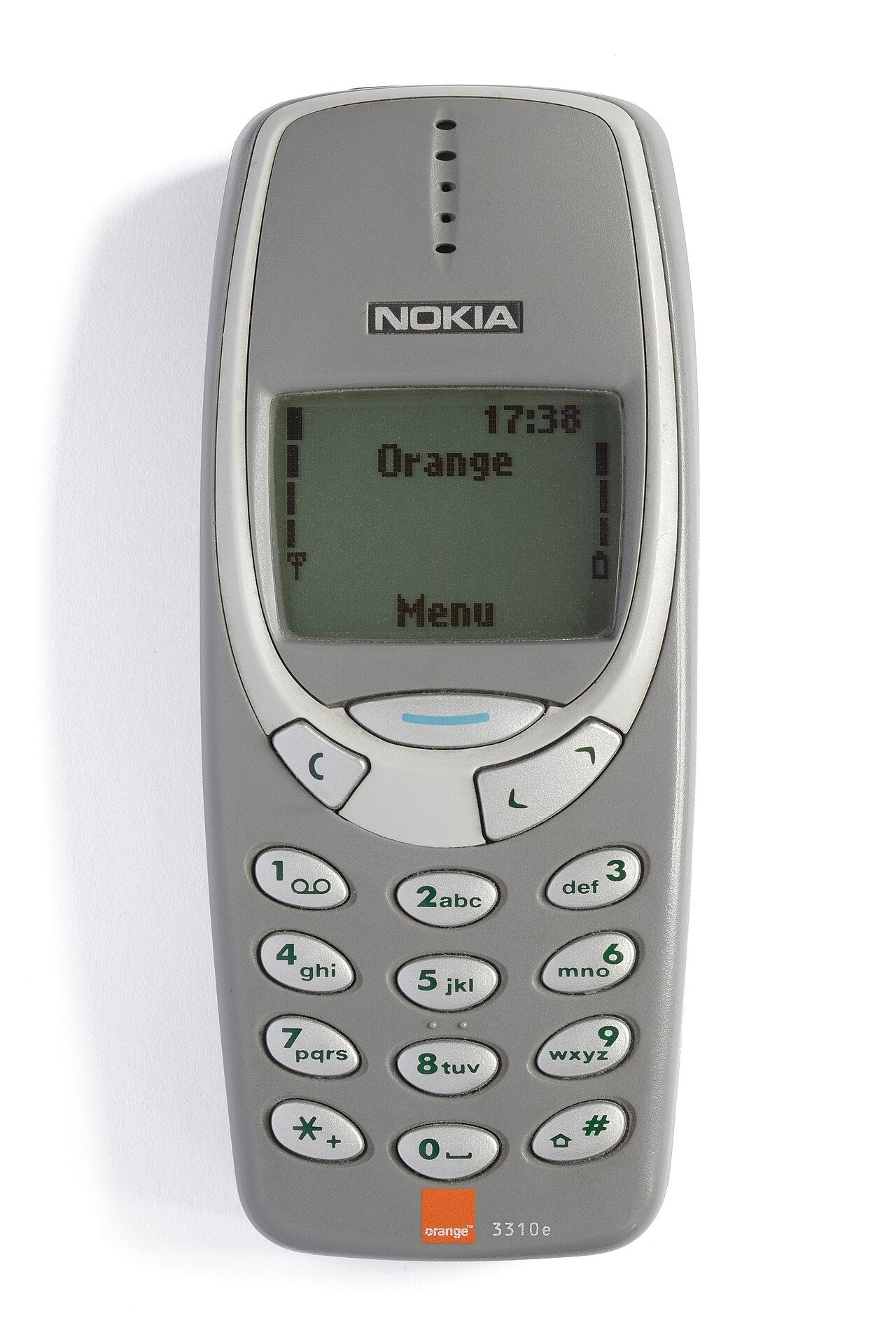
That distinction is what trips people up. The Nokia 3310 and the Nokia N-Gage came out of a division that has not belonged to Nokia since the sale went through.
How badly did the Microsoft phone deal fail?
Less than two years after that announcement, Microsoft quit. On July 8, 2015 it wrote down $7.6 billion against the Nokia acquisition, announced 7,800 layoffs and took a restructuring charge of roughly $800 million.
The write-down was larger than the euro price Microsoft had paid for the hardware business. It had bought the factories, the supply chain and tens of thousands of workers, and the phones coming out of them were not selling.
Microsoft said the job cuts were "primarily in the phone business", as TechCrunch reported on the day in 2015. The same report described a unit delivering lower revenue and lower unit volume than Microsoft had originally expected.
So the sequence people usually get wrong runs like this. Nokia did not go bankrupt, and Microsoft did not shut Nokia down. Nokia sold one division, Microsoft ran that division into the ground in under two years, and the Nokia name was left sitting in Finland with nobody making a phone to put it on.
Who put the Nokia name on phones after 2016?
On May 18, 2016, Nokia signed the agreement that has confused shoppers ever since. Nokia Technologies granted HMD global Oy, a newly founded company based in Finland, an exclusive global license to create Nokia-branded mobile phones and tablets for the next ten years.
Nokia did not build those phones, did not own HMD and did not staff it. It licensed a trademark and collected royalties. Ramzi Haidamus, then president of Nokia Technologies, said so in the announcement: "Instead of Nokia returning to manufacturing mobile phones itself, HMD plans to produce mobile phones and tablets that can leverage and grow the value of the Nokia brand."
HMD spent the license years selling budget Android handsets and cheap 4G feature phones, with a run of retro reissues rebuilding the 3310 and the 3210 for buyers who remembered the originals. It was a real business, and it was nothing like the company that had once outsold everyone.
Anyone shopping for a phone in a US carrier store in the years after 2016 and seeing the Nokia logo on the box was looking at an HMD product. The relationship was a naming deal, closer to how Motorola Razr V3 nostalgia gets recycled than to a corporate revival.
Can Americans buy a new Nokia phone in 2026?
No. HMD discontinued the Nokia-branded smartphone range at the start of 2025 and moved the models into a legacy section of its site marked unavailable.
Then it left the country outright. In July 2025 HMD confirmed it was pulling back from the United States and ending sales of both Nokia-branded and HMD-branded phones there, citing a "challenging geopolitical and economic environment", which in practice meant tariffs landing on hardware with very thin margins. HMD said it would keep honoring warranty coverage and supporting existing US customers through its global teams.
The exclusive license that let HMD use the Nokia name on phones expires in 2026, and HMD has already replaced it with its own brand, shipping handsets badged HMD instead. Nokia-branded feature phones, the inexpensive 4G handsets sold in India, Africa and the Middle East, have continued past the smartphone cutoff under an extended arrangement, but they were never a US product and are not one now.
So the answer to the status question is layered. Nokia has not made a phone since 2014, HMD stopped making Nokia smartphones in 2025, and no new Nokia handset is sold at retail in the United States.
Where to find one today. The originals still turn up in quantity, because Nokia built them in enormous numbers and they refuse to break. Working 3310s, 8210s, 6310s and N-Gages circulate along with the parts that keep them alive: charger tips, back covers, swappable fascias and batteries. Most of it surfaces on Etsy's search page for vintage Nokia phones. Price tracks condition and completeness far more than model, so a scuffed handset alone costs a fraction of the same phone boxed with its manual and charger, and any unit that has sat for 20 years needs a fresh battery before it holds a charge.
What does Nokia the company do now?
Nokia is headquartered in Espoo, Finland and sells network equipment: the radios, routers and optical gear that carriers use to run mobile and fixed broadband networks. Its customers are telecom operators and governments, not shoppers.
For 2025 the company reported net sales of EUR 19,889 million, comparable operating profit of EUR 2.0 billion and free cash flow of EUR 1.5 billion, with roughly 78,000 employees on average across the year. Justin Hotard runs it as president and chief executive.
From January 1, 2026 Nokia operates through two segments, Network Infrastructure and Mobile Infrastructure. Consumer handsets do not appear anywhere in that structure, and brand licensing is a rounding error against a business of that size.
That is the whole answer in one line. Nokia is a live, profitable company that has not built a phone in over a decade, and every Nokia handset sold since the 2016 agreement came from a licensee.
Frequently Asked Questions
Are Nokia phones still being made in 2026?
Nokia-branded smartphones are not. HMD, the Finnish company that has held the exclusive license to the Nokia name on phones since the agreement signed on May 18, 2016, discontinued the Nokia smartphone range at the start of 2025 and stopped selling phones in the United States in July 2025. Nokia-branded feature phones are still produced under an extension of that license for markets outside the US.
Who owns the Nokia brand today?
Nokia Corporation of Espoo, Finland owns the Nokia trademark and has never sold it. It licensed the name for phones and tablets to HMD global in a ten-year deal signed on May 18, 2016, and its own money comes from network equipment: EUR 19,889 million in net sales in 2025, with roughly 78,000 employees.
Why did Nokia stop making phones?
Nokia sold the business rather than closing it. On September 3, 2013 Nokia agreed to sell substantially all of its Devices and Services operation to Microsoft for EUR 3.79 billion, with a further EUR 1.65 billion for a patent license, and about 32,000 staff moved across. Microsoft wrote down $7.6 billion of that purchase on July 8, 2015 and announced 7,800 layoffs.