What Happened to Tumblr, the Platform Yahoo Bought for a Billion and Sold for Pennies

What Happened to Tumblr, the Platform Yahoo Bought for a Billion and Sold for Pennies

In 2013, Yahoo paid $1.1 billion for Tumblr. Six years later, Verizon sold it to Automattic for approximately $3 million. That's a 99.7% loss in value, which is not a typo. It's the kind of financial collapse that would be comedy if it didn't represent the death of an entire cultural ecosystem.

But here's what makes this story interesting: Tumblr didn't fail because it was fundamentally broken or because no one used it. Tumblr failed because a high school dropout built something genuinely novel, corporate giants systematically misunderstood it, and then one terrible decision destroyed it in under a month.

This is the story of how a platform shaped internet culture in ways we're still discovering, and how it got killed anyway.

The Dropout Who Built It

David Karp was 20 years old when he launched Tumblr on February 19, 2007. He had never finished high school. He had been working in tech since he was 14, building websites and learning the web through pure repetition and curiosity.

Within two weeks, Tumblr had 75,000 users. Within a year, it had hundreds of thousands. By 2012, just five years after launch, Tumblr hosted 100 million blogs.

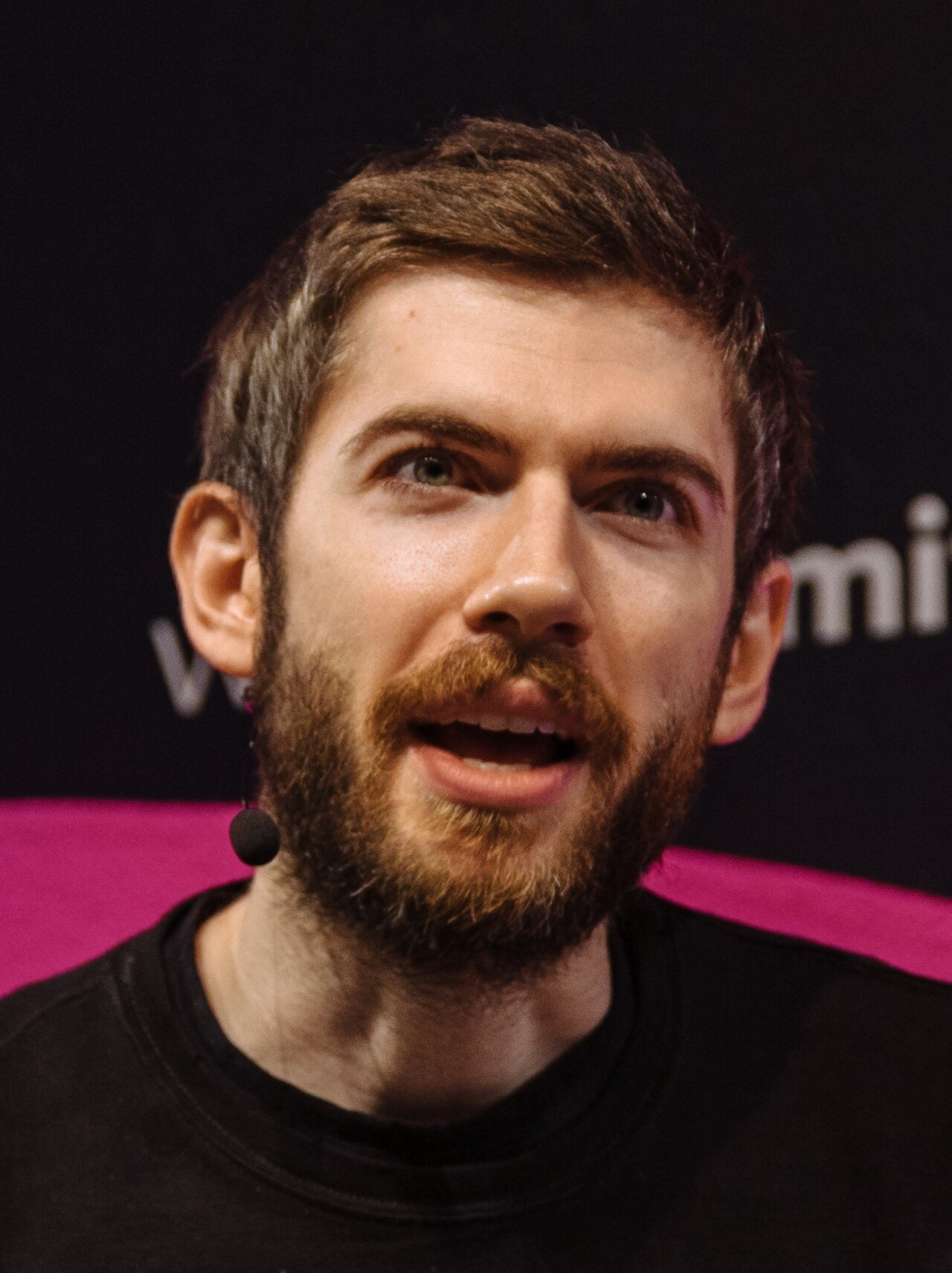
David Karp, founder of Tumblr, in 2017
David Karp in 2017, the same year he stepped down from the platform he built a decade earlier

The unusual part wasn't just the speed. It was that Karp understood something most people didn't: the web was becoming visual, and it was becoming personal. Blogging had been text-first, homepage-first, author-as-authority. Karp saw that people wanted something simpler. They wanted to share images without writing essays. They wanted to remix culture, reblog others' content, build weird niche communities.

He built for that instinct before the instinct became obvious.

Karp also understood his users in a way that mattered. He didn't treat Tumblr as a product to monetize aggressively. He treated it as a place where people lived. His approach was minimalist by design: give people tools, trust them to build something, and stay out of the way.

Apple iPhone first generation, released the same year Tumblr launched
The original iPhone, released in June 2007, just months after Tumblr launched. Both products rode the wave of a web that was becoming visual, personal, and mobile.

What Made Tumblr Actually Special

To understand Tumblr's collapse, you have to understand what made it different. It wasn't just another blog platform. It wasn't Twitter. It wasn't Facebook. It occupied this weird, perfect space that nothing else has fully replicated.

Tumblr was built on the reblog. This seems obvious now, but it was revolutionary in 2007. Reblogging meant you could instantly share something with your followers. You could add your own commentary on top. You could participate in conversations without being the original author. This created a culture of remixing and building on each other's ideas that felt fundamentally generous. This is essentially what Twitter's quote-tweet did later, but Tumblr had it first and it worked differently, because it preserved the chain of attribution.

Tumblr became the social media platform for subcultures that didn't fit elsewhere. Fandoms found a home. The LGBTQ community, especially trans people and people exploring sexuality, built entire worlds on Tumblr because other platforms were hostile or policed them. The platform said "your weirdness is welcome here" before it became fashionable to say that.

This wasn't an accident. Karp built Tumblr with a specific design philosophy: minimal moderation, maximum freedom, and trust in the community. The site's dashboard wasn't an algorithmic feed like Twitter or Facebook. You saw your followed blogs' posts in chronological order. You built your own timeline by following people whose work you cared about. The algorithm didn't decide what mattered. You did.

Tumblr also had a particular aesthetic that influenced how the internet looked. The platform made GIFs central. It made visual curation central. You could build a blog that was visually cohesive in a way that other platforms didn't encourage. This led to entire aesthetic movements: dark academia, cottagecore, vaporwave. Tumblr users were curating moods and vibes before anyone had a name for it. This is essentially what Pinterest and Instagram mood boards do now, but Tumblr invented the grammar.

And then there were the fandoms. Tumblr became the second home of fanfiction writers, fan artists, and fans in general. Archive of Our Own had the fiction. Tumblr had the community. You could find thousands of people who cared about the same obscure ship, the same anime, the same actor. Some of the most creative people on the internet built their skills and their communities on Tumblr.

By early 2014, Tumblr users were posting over 100 million posts per quarter. The platform was active, engaged, and generating something that felt genuinely new in internet culture.

The Billion Dollar Acquisition

On May 20, 2013, Yahoo announced it would acquire Tumblr for $1.1 billion in cash. The deal closed on June 20, 2013. CEO Marissa Mayer personally pushed the acquisition. In a public statement, she promised the company would not "screw it up."

Yahoo's logic was sound, in a corporate sort of way. Yahoo was dying. The company had failed at mobile. It had failed to compete with Google in search. It had a large user base but was bleeding cultural relevance. Tumblr was young, hip, mobile-friendly, and culturally dominant in internet subcultures. Buying Tumblr could give Yahoo access to a younger demographic. It could give Yahoo ad inventory. It could make Yahoo relevant again.

What Yahoo didn't understand was that Tumblr worked precisely because it didn't operate like a traditional corporation. Karp had kept the company independent and small. There was minimal advertising. The culture was deliberately weird and somewhat anti-corporate. You couldn't bolt Tumblr onto Yahoo without changing what made it valuable in the first place.

Still, the early period under Yahoo wasn't catastrophic. The platform continued to grow. User engagement remained high. Karp stayed on as CEO initially. Things didn't immediately fall apart.

But Yahoo had a problem that went deeper than Tumblr. Mayer's tenure was defined by acquisitions that never integrated properly. Tumblr was the biggest of these bets, and it needed to start paying off. That meant monetization. That meant ads. That meant turning Tumblr into a revenue machine.

How Yahoo Systematically Misunderstood Tumblr

Yahoo's first mistake was conceptual: they thought they had purchased a blogging platform. What they actually had was a culture platform. These are not the same thing. A blogging platform is a tool for publishing. A culture platform is a place where communities form and express themselves. One is a product. The other is infrastructure for identity.

Yahoo tried to monetize Tumblr the way you monetize a content platform. They added ads. They tried to integrate Tumblr into Yahoo's broader ecosystem. They wanted to make Tumblr generate revenue through advertising and data collection, the same playbook they used for everything else.

The problem was that Tumblr's users had specifically chosen Tumblr because it wasn't aggressively monetized. The platform had some ads, but they were relatively unobtrusive. The culture was about sharing and community, not about being sold to. When Yahoo started inserting ads more aggressively, users noticed. When Yahoo started integrating Tumblr into Yahoo accounts, users noticed. The vibe shifted.

Yahoo's second mistake was neglecting infrastructure. They kept Tumblr's interface and culture roughly the same, which was good. But they didn't invest in moderation tools proportional to the platform's size and diversity. They didn't hire enough people to handle abuse reports. They didn't build systems to help communities self-moderate. This became critically important later.

Yahoo's third mistake was passivity. They assumed Tumblr would just keep being Tumblr, without requiring anything beyond letting it exist. They didn't realize that communities need active stewardship. Once users started feeling like Tumblr was extracting money rather than providing value, the social contract started eroding.

In 2016, Yahoo wrote down $712 million of Tumblr's value. That reduced the implied valuation to roughly $230 million. The writedown happened before the NSFW ban, before the mass exodus, before the fire sale. Even by Yahoo's own accounting, the acquisition was already a disaster.

David Karp left Tumblr in November 2017. By that point, he was increasingly uncomfortable with the direction of the platform under its new corporate owners. Karp, who had built Tumblr on the principle of trusting users and communities, watched his creation become just another corporate asset to optimize.

The NSFW Ban That Broke Everything

On December 3, 2018, Tumblr announced a new content policy: the platform would ban all "adult content." The ban took effect on December 17, 2018.

This was not a minor policy tweak. This was an existential decision.

A substantial portion of Tumblr's user base was there to share adult content, explore sexuality, build sex-positive communities, or create erotic fan works. The platform had always allowed this. It was one of the few mainstream social media platforms that treated sexuality as a normal part of human expression rather than something to suppress. This attracted sex workers, LGBTQ people, sexual minorities, and anyone interested in exploring identity in a community that felt safe.

The ban didn't just target pornography. Tumblr's moderation algorithm, which was clearly built in a rush, flagged anything vaguely sexual. It flagged erotic fanfiction. It flagged discussions of sexuality. It flagged artistic nude photography. It flagged queer relationship content. It flagged people discussing their own bodies. The filter was indiscriminate and clumsy.

The consequences were immediate. Similarweb reported that Tumblr lost 30% of its user traffic following the ban. In December 2018, Tumblr had approximately 521 million monthly visits. By April 2019, that number had dropped to roughly 376 million. That's 145 million monthly visits gone in four months.

Users, especially LGBTQ users and sex workers, felt specifically targeted. They had been told Tumblr was a safe place. Now that promise was being withdrawn, replaced with an algorithm that treated their expression as something shameful. Long-time users started migrating to Twitter, Reddit, Discord, and smaller platforms. There was no single successor because Tumblr had been unique. The communities dispersed rather than reconsolidated.

The NSFW ban was the catalyst, not the root cause. The root cause was years of corporate mismanagement. But the ban crystallized everything. It was the moment everyone realized there was a fundamental problem, and they couldn't trust the people running the platform to make good decisions.

The Three-Million-Dollar Fire Sale

By 2017, Verizon had inherited Tumblr when it acquired Yahoo. A telecommunications corporation managing a culture platform is, to put it gently, a mismatch. Verizon had even less understanding of what Tumblr was than Yahoo did.

On August 12, 2019, Verizon sold Tumblr to Automattic, the company behind WordPress.com. The price was approximately $3 million.

Yahoo bought Tumblr for $1.1 billion. Verizon sold it for $3 million. A 99.7% decrease in value over six years.

From a pure accounting perspective, Verizon's decision to cut losses was rational. Tumblr generated far less advertising revenue than comparable platforms. It had a culture that resisted aggressive monetization. It required significant infrastructure and moderation costs. The user base was shrinking. Keeping it made no financial sense.

Automattic's acquisition was more interesting. WordPress is open-source and community-focused. Automattic has demonstrated willingness to respect user freedom in ways that corporate social media platforms typically don't. There was at least a possibility that Automattic would understand what Tumblr actually needed: less extraction, more stewardship.

Where Tumblr Is Now

Since 2019, Tumblr has stabilized without recovering. As of mid-2025, the platform receives approximately 141.9 million monthly visits. That's a 73% decline from its peak, but it's not death. Millions of people still use Tumblr every month.

Automattic has made cautious improvements. They loosened the NSFW restrictions, though not completely. They invested in community features. They treated Tumblr more like a living ecosystem and less like a revenue extraction machine.

But the damage was structural. Many of the communities that made Tumblr culturally significant migrated and never came back. The fandoms moved to Twitter and Discord. The sex-positive communities moved to Twitter and OnlyFans. The aesthetic bloggers moved to Instagram and Pinterest. The critical mass that made Tumblr feel alive, that created the sense that something was always happening, is gone.

Tumblr is not dead. But it is no longer the place where internet culture gets made. It's a community of people who remember when it was.

The Legacy: What Tumblr Actually Meant

If you want to understand internet culture between 2010 and 2018, you have to understand Tumblr. Not as a product or a platform, but as a cultural moment.

Tumblr gave subcultures infrastructure at exactly the moment they needed it. When the web was becoming visual and mobile, Tumblr provided tools for communities to be visual and mobile. The fandoms found each other. LGBTQ people found each other. The weird people found each other. And they built something new.

Tumblr popularized the reblog as a form of collective creation. You could remix and build on other people's work while preserving a chain of attribution. This influenced how people think about content, credit, and community across the entire internet.

Tumblr made aesthetics a form of identity. The visual curation of Tumblr blogs created entire aesthetic movements: cottagecore, dark academia, vaporwave, soft grunge. Instagram later adopted this language and scaled it, but Tumblr originated the grammar.

Tumblr was central to fanfiction and fan art culture. The fanfiction ecosystem predated Tumblr, but Tumblr made it visual and social. It created a context where fan creators could build communities, share work, and receive feedback at a scale that hadn't existed before.

And Tumblr was enormously important for LGBTQ people, especially trans people and sexual minorities. The platform allowed exploration of identity and sexuality in a way that most mainstream social media didn't. For many users, Tumblr was where they figured out who they were. That matters, and losing it mattered.

Perhaps most importantly, Tumblr demonstrated that you could build something culturally significant that wasn't designed primarily to extract value from users. Karp's original vision was that Tumblr should be a place first and a product second. That meant respecting users, trusting communities, and not trying to monetize every interaction.

The collapse of Tumblr was a lesson in what happens when you break that contract. Yahoo and Verizon tried to turn Tumblr into just another ad platform. It didn't work because the value came from communities and trust, and you can't extract value from trust without destroying the trust itself.

As we watch X struggle under new ownership, as Instagram becomes increasingly algorithmic, as Reddit prioritizes API revenue over user experience, the Tumblr story remains instructive. Platforms are valuable because communities use them. Communities use them because they trust that the platform respects them. Once that trust breaks, migration happens fast and recovery is slow, if it happens at all.

Frequently Asked Questions

  • Is Tumblr still active in 2025?

    Yes. Tumblr receives approximately 141.9 million monthly visits as of mid-2025. That's a significant decline from its peak of over 500 million monthly visits, but it remains a functioning platform with active communities. Automattic, which acquired Tumblr from Verizon in 2019, continues to operate and develop it.

  • Why did Yahoo buy Tumblr for $1.1 billion?

    Yahoo CEO Marissa Mayer saw Tumblr as a way to reach younger demographics and become relevant in social media. Yahoo was losing ground to Google and Facebook. Tumblr had 100 million blogs, strong engagement, and cultural influence among younger internet users. The logic was that Tumblr's audience and cultural position could revitalize Yahoo's brand. The problem was that Yahoo never figured out how to monetize Tumblr without destroying what made it valuable.

  • Did the NSFW ban really destroy Tumblr?

    The NSFW ban, which took effect December 17, 2018, was the most visible cause of Tumblr's decline. The platform lost approximately 30% of its traffic in four months. But the ban was a symptom of deeper problems: years of corporate mismanagement, failure to invest in moderation, and a fundamental misunderstanding of what made Tumblr special. The ban was the breaking point, not the only problem.

  • What happened to David Karp after leaving Tumblr?

    David Karp left Tumblr in November 2017, before the NSFW ban but after years of growing frustration with Yahoo and Verizon's management. He has maintained a relatively low public profile since departing. Karp was 20 when he launched Tumblr and was 31 when he left. He made significant money from the Yahoo acquisition, but by most accounts his departure was driven by disagreement over the platform's direction rather than financial motivation.

  • Could Tumblr make a comeback?

    A full recovery to its former cultural position is unlikely. The communities that made Tumblr special have dispersed across multiple platforms, and rebuilding that critical mass would require something extraordinary. However, Tumblr still has millions of monthly users and a dedicated community. Under Automattic's more respectful management, the platform has stabilized. It may not become what it was, but it could remain a meaningful, smaller community for people who value what Tumblr offers.

๐Ÿ“– What Happened to Tumblr, the Platform Yahoo Bought for a Billion and Sold for Pennies
_ โ–ก ร—
← Back

What Happened to Tumblr, the Platform Yahoo Bought for a Billion and Sold for Pennies

2026-04-13 by 404 Memory Found

What Happened to Tumblr, the Platform Yahoo Bought for a Billion and Sold for Pennies

In 2013, Yahoo paid $1.1 billion for Tumblr. Six years later, Verizon sold it to Automattic for approximately $3 million. That's a 99.7% loss in value, which is not a typo. It's the kind of financial collapse that would be comedy if it didn't represent the death of an entire cultural ecosystem.

But here's what makes this story interesting: Tumblr didn't fail because it was fundamentally broken or because no one used it. Tumblr failed because a high school dropout built something genuinely novel, corporate giants systematically misunderstood it, and then one terrible decision destroyed it in under a month.

This is the story of how a platform shaped internet culture in ways we're still discovering, and how it got killed anyway.

The Dropout Who Built It

David Karp was 20 years old when he launched Tumblr on February 19, 2007. He had never finished high school. He had been working in tech since he was 14, building websites and learning the web through pure repetition and curiosity.

Within two weeks, Tumblr had 75,000 users. Within a year, it had hundreds of thousands. By 2012, just five years after launch, Tumblr hosted 100 million blogs.

David Karp, founder of Tumblr, in 2017
David Karp in 2017, the same year he stepped down from the platform he built a decade earlier

The unusual part wasn't just the speed. It was that Karp understood something most people didn't: the web was becoming visual, and it was becoming personal. Blogging had been text-first, homepage-first, author-as-authority. Karp saw that people wanted something simpler. They wanted to share images without writing essays. They wanted to remix culture, reblog others' content, build weird niche communities.

He built for that instinct before the instinct became obvious.

Karp also understood his users in a way that mattered. He didn't treat Tumblr as a product to monetize aggressively. He treated it as a place where people lived. His approach was minimalist by design: give people tools, trust them to build something, and stay out of the way.

Apple iPhone first generation, released the same year Tumblr launched
The original iPhone, released in June 2007, just months after Tumblr launched. Both products rode the wave of a web that was becoming visual, personal, and mobile.

What Made Tumblr Actually Special

To understand Tumblr's collapse, you have to understand what made it different. It wasn't just another blog platform. It wasn't Twitter. It wasn't Facebook. It occupied this weird, perfect space that nothing else has fully replicated.

Tumblr was built on the reblog. This seems obvious now, but it was revolutionary in 2007. Reblogging meant you could instantly share something with your followers. You could add your own commentary on top. You could participate in conversations without being the original author. This created a culture of remixing and building on each other's ideas that felt fundamentally generous. This is essentially what Twitter's quote-tweet did later, but Tumblr had it first and it worked differently, because it preserved the chain of attribution.

Tumblr became the social media platform for subcultures that didn't fit elsewhere. Fandoms found a home. The LGBTQ community, especially trans people and people exploring sexuality, built entire worlds on Tumblr because other platforms were hostile or policed them. The platform said "your weirdness is welcome here" before it became fashionable to say that.

This wasn't an accident. Karp built Tumblr with a specific design philosophy: minimal moderation, maximum freedom, and trust in the community. The site's dashboard wasn't an algorithmic feed like Twitter or Facebook. You saw your followed blogs' posts in chronological order. You built your own timeline by following people whose work you cared about. The algorithm didn't decide what mattered. You did.

Tumblr also had a particular aesthetic that influenced how the internet looked. The platform made GIFs central. It made visual curation central. You could build a blog that was visually cohesive in a way that other platforms didn't encourage. This led to entire aesthetic movements: dark academia, cottagecore, vaporwave. Tumblr users were curating moods and vibes before anyone had a name for it. This is essentially what Pinterest and Instagram mood boards do now, but Tumblr invented the grammar.

And then there were the fandoms. Tumblr became the second home of fanfiction writers, fan artists, and fans in general. Archive of Our Own had the fiction. Tumblr had the community. You could find thousands of people who cared about the same obscure ship, the same anime, the same actor. Some of the most creative people on the internet built their skills and their communities on Tumblr.

By early 2014, Tumblr users were posting over 100 million posts per quarter. The platform was active, engaged, and generating something that felt genuinely new in internet culture.

The Billion Dollar Acquisition

On May 20, 2013, Yahoo announced it would acquire Tumblr for $1.1 billion in cash. The deal closed on June 20, 2013. CEO Marissa Mayer personally pushed the acquisition. In a public statement, she promised the company would not "screw it up."

Yahoo's logic was sound, in a corporate sort of way. Yahoo was dying. The company had failed at mobile. It had failed to compete with Google in search. It had a large user base but was bleeding cultural relevance. Tumblr was young, hip, mobile-friendly, and culturally dominant in internet subcultures. Buying Tumblr could give Yahoo access to a younger demographic. It could give Yahoo ad inventory. It could make Yahoo relevant again.

What Yahoo didn't understand was that Tumblr worked precisely because it didn't operate like a traditional corporation. Karp had kept the company independent and small. There was minimal advertising. The culture was deliberately weird and somewhat anti-corporate. You couldn't bolt Tumblr onto Yahoo without changing what made it valuable in the first place.

Still, the early period under Yahoo wasn't catastrophic. The platform continued to grow. User engagement remained high. Karp stayed on as CEO initially. Things didn't immediately fall apart.

But Yahoo had a problem that went deeper than Tumblr. Mayer's tenure was defined by acquisitions that never integrated properly. Tumblr was the biggest of these bets, and it needed to start paying off. That meant monetization. That meant ads. That meant turning Tumblr into a revenue machine.

How Yahoo Systematically Misunderstood Tumblr

Yahoo's first mistake was conceptual: they thought they had purchased a blogging platform. What they actually had was a culture platform. These are not the same thing. A blogging platform is a tool for publishing. A culture platform is a place where communities form and express themselves. One is a product. The other is infrastructure for identity.

Yahoo tried to monetize Tumblr the way you monetize a content platform. They added ads. They tried to integrate Tumblr into Yahoo's broader ecosystem. They wanted to make Tumblr generate revenue through advertising and data collection, the same playbook they used for everything else.

The problem was that Tumblr's users had specifically chosen Tumblr because it wasn't aggressively monetized. The platform had some ads, but they were relatively unobtrusive. The culture was about sharing and community, not about being sold to. When Yahoo started inserting ads more aggressively, users noticed. When Yahoo started integrating Tumblr into Yahoo accounts, users noticed. The vibe shifted.

Yahoo's second mistake was neglecting infrastructure. They kept Tumblr's interface and culture roughly the same, which was good. But they didn't invest in moderation tools proportional to the platform's size and diversity. They didn't hire enough people to handle abuse reports. They didn't build systems to help communities self-moderate. This became critically important later.

Yahoo's third mistake was passivity. They assumed Tumblr would just keep being Tumblr, without requiring anything beyond letting it exist. They didn't realize that communities need active stewardship. Once users started feeling like Tumblr was extracting money rather than providing value, the social contract started eroding.

In 2016, Yahoo wrote down $712 million of Tumblr's value. That reduced the implied valuation to roughly $230 million. The writedown happened before the NSFW ban, before the mass exodus, before the fire sale. Even by Yahoo's own accounting, the acquisition was already a disaster.

David Karp left Tumblr in November 2017. By that point, he was increasingly uncomfortable with the direction of the platform under its new corporate owners. Karp, who had built Tumblr on the principle of trusting users and communities, watched his creation become just another corporate asset to optimize.

The NSFW Ban That Broke Everything

On December 3, 2018, Tumblr announced a new content policy: the platform would ban all "adult content." The ban took effect on December 17, 2018.

This was not a minor policy tweak. This was an existential decision.

A substantial portion of Tumblr's user base was there to share adult content, explore sexuality, build sex-positive communities, or create erotic fan works. The platform had always allowed this. It was one of the few mainstream social media platforms that treated sexuality as a normal part of human expression rather than something to suppress. This attracted sex workers, LGBTQ people, sexual minorities, and anyone interested in exploring identity in a community that felt safe.

The ban didn't just target pornography. Tumblr's moderation algorithm, which was clearly built in a rush, flagged anything vaguely sexual. It flagged erotic fanfiction. It flagged discussions of sexuality. It flagged artistic nude photography. It flagged queer relationship content. It flagged people discussing their own bodies. The filter was indiscriminate and clumsy.

The consequences were immediate. Similarweb reported that Tumblr lost 30% of its user traffic following the ban. In December 2018, Tumblr had approximately 521 million monthly visits. By April 2019, that number had dropped to roughly 376 million. That's 145 million monthly visits gone in four months.

Users, especially LGBTQ users and sex workers, felt specifically targeted. They had been told Tumblr was a safe place. Now that promise was being withdrawn, replaced with an algorithm that treated their expression as something shameful. Long-time users started migrating to Twitter, Reddit, Discord, and smaller platforms. There was no single successor because Tumblr had been unique. The communities dispersed rather than reconsolidated.

The NSFW ban was the catalyst, not the root cause. The root cause was years of corporate mismanagement. But the ban crystallized everything. It was the moment everyone realized there was a fundamental problem, and they couldn't trust the people running the platform to make good decisions.

The Three-Million-Dollar Fire Sale

By 2017, Verizon had inherited Tumblr when it acquired Yahoo. A telecommunications corporation managing a culture platform is, to put it gently, a mismatch. Verizon had even less understanding of what Tumblr was than Yahoo did.

On August 12, 2019, Verizon sold Tumblr to Automattic, the company behind WordPress.com. The price was approximately $3 million.

Yahoo bought Tumblr for $1.1 billion. Verizon sold it for $3 million. A 99.7% decrease in value over six years.

From a pure accounting perspective, Verizon's decision to cut losses was rational. Tumblr generated far less advertising revenue than comparable platforms. It had a culture that resisted aggressive monetization. It required significant infrastructure and moderation costs. The user base was shrinking. Keeping it made no financial sense.

Automattic's acquisition was more interesting. WordPress is open-source and community-focused. Automattic has demonstrated willingness to respect user freedom in ways that corporate social media platforms typically don't. There was at least a possibility that Automattic would understand what Tumblr actually needed: less extraction, more stewardship.

Where Tumblr Is Now

Since 2019, Tumblr has stabilized without recovering. As of mid-2025, the platform receives approximately 141.9 million monthly visits. That's a 73% decline from its peak, but it's not death. Millions of people still use Tumblr every month.

Automattic has made cautious improvements. They loosened the NSFW restrictions, though not completely. They invested in community features. They treated Tumblr more like a living ecosystem and less like a revenue extraction machine.

But the damage was structural. Many of the communities that made Tumblr culturally significant migrated and never came back. The fandoms moved to Twitter and Discord. The sex-positive communities moved to Twitter and OnlyFans. The aesthetic bloggers moved to Instagram and Pinterest. The critical mass that made Tumblr feel alive, that created the sense that something was always happening, is gone.

Tumblr is not dead. But it is no longer the place where internet culture gets made. It's a community of people who remember when it was.

The Legacy: What Tumblr Actually Meant

If you want to understand internet culture between 2010 and 2018, you have to understand Tumblr. Not as a product or a platform, but as a cultural moment.

Tumblr gave subcultures infrastructure at exactly the moment they needed it. When the web was becoming visual and mobile, Tumblr provided tools for communities to be visual and mobile. The fandoms found each other. LGBTQ people found each other. The weird people found each other. And they built something new.

Tumblr popularized the reblog as a form of collective creation. You could remix and build on other people's work while preserving a chain of attribution. This influenced how people think about content, credit, and community across the entire internet.

Tumblr made aesthetics a form of identity. The visual curation of Tumblr blogs created entire aesthetic movements: cottagecore, dark academia, vaporwave, soft grunge. Instagram later adopted this language and scaled it, but Tumblr originated the grammar.

Tumblr was central to fanfiction and fan art culture. The fanfiction ecosystem predated Tumblr, but Tumblr made it visual and social. It created a context where fan creators could build communities, share work, and receive feedback at a scale that hadn't existed before.

And Tumblr was enormously important for LGBTQ people, especially trans people and sexual minorities. The platform allowed exploration of identity and sexuality in a way that most mainstream social media didn't. For many users, Tumblr was where they figured out who they were. That matters, and losing it mattered.

Perhaps most importantly, Tumblr demonstrated that you could build something culturally significant that wasn't designed primarily to extract value from users. Karp's original vision was that Tumblr should be a place first and a product second. That meant respecting users, trusting communities, and not trying to monetize every interaction.

The collapse of Tumblr was a lesson in what happens when you break that contract. Yahoo and Verizon tried to turn Tumblr into just another ad platform. It didn't work because the value came from communities and trust, and you can't extract value from trust without destroying the trust itself.

As we watch X struggle under new ownership, as Instagram becomes increasingly algorithmic, as Reddit prioritizes API revenue over user experience, the Tumblr story remains instructive. Platforms are valuable because communities use them. Communities use them because they trust that the platform respects them. Once that trust breaks, migration happens fast and recovery is slow, if it happens at all.

Frequently Asked Questions

  • Is Tumblr still active in 2025?

    Yes. Tumblr receives approximately 141.9 million monthly visits as of mid-2025. That's a significant decline from its peak of over 500 million monthly visits, but it remains a functioning platform with active communities. Automattic, which acquired Tumblr from Verizon in 2019, continues to operate and develop it.

  • Why did Yahoo buy Tumblr for $1.1 billion?

    Yahoo CEO Marissa Mayer saw Tumblr as a way to reach younger demographics and become relevant in social media. Yahoo was losing ground to Google and Facebook. Tumblr had 100 million blogs, strong engagement, and cultural influence among younger internet users. The logic was that Tumblr's audience and cultural position could revitalize Yahoo's brand. The problem was that Yahoo never figured out how to monetize Tumblr without destroying what made it valuable.

  • Did the NSFW ban really destroy Tumblr?

    The NSFW ban, which took effect December 17, 2018, was the most visible cause of Tumblr's decline. The platform lost approximately 30% of its traffic in four months. But the ban was a symptom of deeper problems: years of corporate mismanagement, failure to invest in moderation, and a fundamental misunderstanding of what made Tumblr special. The ban was the breaking point, not the only problem.

  • What happened to David Karp after leaving Tumblr?

    David Karp left Tumblr in November 2017, before the NSFW ban but after years of growing frustration with Yahoo and Verizon's management. He has maintained a relatively low public profile since departing. Karp was 20 when he launched Tumblr and was 31 when he left. He made significant money from the Yahoo acquisition, but by most accounts his departure was driven by disagreement over the platform's direction rather than financial motivation.

  • Could Tumblr make a comeback?

    A full recovery to its former cultural position is unlikely. The communities that made Tumblr special have dispersed across multiple platforms, and rebuilding that critical mass would require something extraordinary. However, Tumblr still has millions of monthly users and a dedicated community. Under Automattic's more respectful management, the platform has stabilized. It may not become what it was, but it could remain a meaningful, smaller community for people who value what Tumblr offers.

๐Ÿ“– What Happened to Tumblr, the Platform Yahoo Bought for a Billion and Sold for Pennies

What Happened to Tumblr, the Platform Yahoo Bought for a Billion and Sold for Pennies

In 2013, Yahoo paid $1.1 billion for Tumblr. Six years later, Verizon sold it to Automattic for approximately $3 million. That's a 99.7% loss in value, which is not a typo. It's the kind of financial collapse that would be comedy if it didn't represent the death of an entire cultural ecosystem.

But here's what makes this story interesting: Tumblr didn't fail because it was fundamentally broken or because no one used it. Tumblr failed because a high school dropout built something genuinely novel, corporate giants systematically misunderstood it, and then one terrible decision destroyed it in under a month.

This is the story of how a platform shaped internet culture in ways we're still discovering, and how it got killed anyway.

The Dropout Who Built It

David Karp was 20 years old when he launched Tumblr on February 19, 2007. He had never finished high school. He had been working in tech since he was 14, building websites and learning the web through pure repetition and curiosity.

Within two weeks, Tumblr had 75,000 users. Within a year, it had hundreds of thousands. By 2012, just five years after launch, Tumblr hosted 100 million blogs.

David Karp, founder of Tumblr, in 2017
David Karp in 2017, the same year he stepped down from the platform he built a decade earlier

The unusual part wasn't just the speed. It was that Karp understood something most people didn't: the web was becoming visual, and it was becoming personal. Blogging had been text-first, homepage-first, author-as-authority. Karp saw that people wanted something simpler. They wanted to share images without writing essays. They wanted to remix culture, reblog others' content, build weird niche communities.

He built for that instinct before the instinct became obvious.

Karp also understood his users in a way that mattered. He didn't treat Tumblr as a product to monetize aggressively. He treated it as a place where people lived. His approach was minimalist by design: give people tools, trust them to build something, and stay out of the way.

Apple iPhone first generation, released the same year Tumblr launched
The original iPhone, released in June 2007, just months after Tumblr launched. Both products rode the wave of a web that was becoming visual, personal, and mobile.

What Made Tumblr Actually Special

To understand Tumblr's collapse, you have to understand what made it different. It wasn't just another blog platform. It wasn't Twitter. It wasn't Facebook. It occupied this weird, perfect space that nothing else has fully replicated.

Tumblr was built on the reblog. This seems obvious now, but it was revolutionary in 2007. Reblogging meant you could instantly share something with your followers. You could add your own commentary on top. You could participate in conversations without being the original author. This created a culture of remixing and building on each other's ideas that felt fundamentally generous. This is essentially what Twitter's quote-tweet did later, but Tumblr had it first and it worked differently, because it preserved the chain of attribution.

Tumblr became the social media platform for subcultures that didn't fit elsewhere. Fandoms found a home. The LGBTQ community, especially trans people and people exploring sexuality, built entire worlds on Tumblr because other platforms were hostile or policed them. The platform said "your weirdness is welcome here" before it became fashionable to say that.

This wasn't an accident. Karp built Tumblr with a specific design philosophy: minimal moderation, maximum freedom, and trust in the community. The site's dashboard wasn't an algorithmic feed like Twitter or Facebook. You saw your followed blogs' posts in chronological order. You built your own timeline by following people whose work you cared about. The algorithm didn't decide what mattered. You did.

Tumblr also had a particular aesthetic that influenced how the internet looked. The platform made GIFs central. It made visual curation central. You could build a blog that was visually cohesive in a way that other platforms didn't encourage. This led to entire aesthetic movements: dark academia, cottagecore, vaporwave. Tumblr users were curating moods and vibes before anyone had a name for it. This is essentially what Pinterest and Instagram mood boards do now, but Tumblr invented the grammar.

And then there were the fandoms. Tumblr became the second home of fanfiction writers, fan artists, and fans in general. Archive of Our Own had the fiction. Tumblr had the community. You could find thousands of people who cared about the same obscure ship, the same anime, the same actor. Some of the most creative people on the internet built their skills and their communities on Tumblr.

By early 2014, Tumblr users were posting over 100 million posts per quarter. The platform was active, engaged, and generating something that felt genuinely new in internet culture.

The Billion Dollar Acquisition

On May 20, 2013, Yahoo announced it would acquire Tumblr for $1.1 billion in cash. The deal closed on June 20, 2013. CEO Marissa Mayer personally pushed the acquisition. In a public statement, she promised the company would not "screw it up."

Yahoo's logic was sound, in a corporate sort of way. Yahoo was dying. The company had failed at mobile. It had failed to compete with Google in search. It had a large user base but was bleeding cultural relevance. Tumblr was young, hip, mobile-friendly, and culturally dominant in internet subcultures. Buying Tumblr could give Yahoo access to a younger demographic. It could give Yahoo ad inventory. It could make Yahoo relevant again.

What Yahoo didn't understand was that Tumblr worked precisely because it didn't operate like a traditional corporation. Karp had kept the company independent and small. There was minimal advertising. The culture was deliberately weird and somewhat anti-corporate. You couldn't bolt Tumblr onto Yahoo without changing what made it valuable in the first place.

Still, the early period under Yahoo wasn't catastrophic. The platform continued to grow. User engagement remained high. Karp stayed on as CEO initially. Things didn't immediately fall apart.

But Yahoo had a problem that went deeper than Tumblr. Mayer's tenure was defined by acquisitions that never integrated properly. Tumblr was the biggest of these bets, and it needed to start paying off. That meant monetization. That meant ads. That meant turning Tumblr into a revenue machine.

How Yahoo Systematically Misunderstood Tumblr

Yahoo's first mistake was conceptual: they thought they had purchased a blogging platform. What they actually had was a culture platform. These are not the same thing. A blogging platform is a tool for publishing. A culture platform is a place where communities form and express themselves. One is a product. The other is infrastructure for identity.

Yahoo tried to monetize Tumblr the way you monetize a content platform. They added ads. They tried to integrate Tumblr into Yahoo's broader ecosystem. They wanted to make Tumblr generate revenue through advertising and data collection, the same playbook they used for everything else.

The problem was that Tumblr's users had specifically chosen Tumblr because it wasn't aggressively monetized. The platform had some ads, but they were relatively unobtrusive. The culture was about sharing and community, not about being sold to. When Yahoo started inserting ads more aggressively, users noticed. When Yahoo started integrating Tumblr into Yahoo accounts, users noticed. The vibe shifted.

Yahoo's second mistake was neglecting infrastructure. They kept Tumblr's interface and culture roughly the same, which was good. But they didn't invest in moderation tools proportional to the platform's size and diversity. They didn't hire enough people to handle abuse reports. They didn't build systems to help communities self-moderate. This became critically important later.

Yahoo's third mistake was passivity. They assumed Tumblr would just keep being Tumblr, without requiring anything beyond letting it exist. They didn't realize that communities need active stewardship. Once users started feeling like Tumblr was extracting money rather than providing value, the social contract started eroding.

In 2016, Yahoo wrote down $712 million of Tumblr's value. That reduced the implied valuation to roughly $230 million. The writedown happened before the NSFW ban, before the mass exodus, before the fire sale. Even by Yahoo's own accounting, the acquisition was already a disaster.

David Karp left Tumblr in November 2017. By that point, he was increasingly uncomfortable with the direction of the platform under its new corporate owners. Karp, who had built Tumblr on the principle of trusting users and communities, watched his creation become just another corporate asset to optimize.

The NSFW Ban That Broke Everything

On December 3, 2018, Tumblr announced a new content policy: the platform would ban all "adult content." The ban took effect on December 17, 2018.

This was not a minor policy tweak. This was an existential decision.

A substantial portion of Tumblr's user base was there to share adult content, explore sexuality, build sex-positive communities, or create erotic fan works. The platform had always allowed this. It was one of the few mainstream social media platforms that treated sexuality as a normal part of human expression rather than something to suppress. This attracted sex workers, LGBTQ people, sexual minorities, and anyone interested in exploring identity in a community that felt safe.

The ban didn't just target pornography. Tumblr's moderation algorithm, which was clearly built in a rush, flagged anything vaguely sexual. It flagged erotic fanfiction. It flagged discussions of sexuality. It flagged artistic nude photography. It flagged queer relationship content. It flagged people discussing their own bodies. The filter was indiscriminate and clumsy.

The consequences were immediate. Similarweb reported that Tumblr lost 30% of its user traffic following the ban. In December 2018, Tumblr had approximately 521 million monthly visits. By April 2019, that number had dropped to roughly 376 million. That's 145 million monthly visits gone in four months.

Users, especially LGBTQ users and sex workers, felt specifically targeted. They had been told Tumblr was a safe place. Now that promise was being withdrawn, replaced with an algorithm that treated their expression as something shameful. Long-time users started migrating to Twitter, Reddit, Discord, and smaller platforms. There was no single successor because Tumblr had been unique. The communities dispersed rather than reconsolidated.

The NSFW ban was the catalyst, not the root cause. The root cause was years of corporate mismanagement. But the ban crystallized everything. It was the moment everyone realized there was a fundamental problem, and they couldn't trust the people running the platform to make good decisions.

The Three-Million-Dollar Fire Sale

By 2017, Verizon had inherited Tumblr when it acquired Yahoo. A telecommunications corporation managing a culture platform is, to put it gently, a mismatch. Verizon had even less understanding of what Tumblr was than Yahoo did.

On August 12, 2019, Verizon sold Tumblr to Automattic, the company behind WordPress.com. The price was approximately $3 million.

Yahoo bought Tumblr for $1.1 billion. Verizon sold it for $3 million. A 99.7% decrease in value over six years.

From a pure accounting perspective, Verizon's decision to cut losses was rational. Tumblr generated far less advertising revenue than comparable platforms. It had a culture that resisted aggressive monetization. It required significant infrastructure and moderation costs. The user base was shrinking. Keeping it made no financial sense.

Automattic's acquisition was more interesting. WordPress is open-source and community-focused. Automattic has demonstrated willingness to respect user freedom in ways that corporate social media platforms typically don't. There was at least a possibility that Automattic would understand what Tumblr actually needed: less extraction, more stewardship.

Where Tumblr Is Now

Since 2019, Tumblr has stabilized without recovering. As of mid-2025, the platform receives approximately 141.9 million monthly visits. That's a 73% decline from its peak, but it's not death. Millions of people still use Tumblr every month.

Automattic has made cautious improvements. They loosened the NSFW restrictions, though not completely. They invested in community features. They treated Tumblr more like a living ecosystem and less like a revenue extraction machine.

But the damage was structural. Many of the communities that made Tumblr culturally significant migrated and never came back. The fandoms moved to Twitter and Discord. The sex-positive communities moved to Twitter and OnlyFans. The aesthetic bloggers moved to Instagram and Pinterest. The critical mass that made Tumblr feel alive, that created the sense that something was always happening, is gone.

Tumblr is not dead. But it is no longer the place where internet culture gets made. It's a community of people who remember when it was.

The Legacy: What Tumblr Actually Meant

If you want to understand internet culture between 2010 and 2018, you have to understand Tumblr. Not as a product or a platform, but as a cultural moment.

Tumblr gave subcultures infrastructure at exactly the moment they needed it. When the web was becoming visual and mobile, Tumblr provided tools for communities to be visual and mobile. The fandoms found each other. LGBTQ people found each other. The weird people found each other. And they built something new.

Tumblr popularized the reblog as a form of collective creation. You could remix and build on other people's work while preserving a chain of attribution. This influenced how people think about content, credit, and community across the entire internet.

Tumblr made aesthetics a form of identity. The visual curation of Tumblr blogs created entire aesthetic movements: cottagecore, dark academia, vaporwave, soft grunge. Instagram later adopted this language and scaled it, but Tumblr originated the grammar.

Tumblr was central to fanfiction and fan art culture. The fanfiction ecosystem predated Tumblr, but Tumblr made it visual and social. It created a context where fan creators could build communities, share work, and receive feedback at a scale that hadn't existed before.

And Tumblr was enormously important for LGBTQ people, especially trans people and sexual minorities. The platform allowed exploration of identity and sexuality in a way that most mainstream social media didn't. For many users, Tumblr was where they figured out who they were. That matters, and losing it mattered.

Perhaps most importantly, Tumblr demonstrated that you could build something culturally significant that wasn't designed primarily to extract value from users. Karp's original vision was that Tumblr should be a place first and a product second. That meant respecting users, trusting communities, and not trying to monetize every interaction.

The collapse of Tumblr was a lesson in what happens when you break that contract. Yahoo and Verizon tried to turn Tumblr into just another ad platform. It didn't work because the value came from communities and trust, and you can't extract value from trust without destroying the trust itself.

As we watch X struggle under new ownership, as Instagram becomes increasingly algorithmic, as Reddit prioritizes API revenue over user experience, the Tumblr story remains instructive. Platforms are valuable because communities use them. Communities use them because they trust that the platform respects them. Once that trust breaks, migration happens fast and recovery is slow, if it happens at all.

Frequently Asked Questions

  • Is Tumblr still active in 2025?

    Yes. Tumblr receives approximately 141.9 million monthly visits as of mid-2025. That's a significant decline from its peak of over 500 million monthly visits, but it remains a functioning platform with active communities. Automattic, which acquired Tumblr from Verizon in 2019, continues to operate and develop it.

  • Why did Yahoo buy Tumblr for $1.1 billion?

    Yahoo CEO Marissa Mayer saw Tumblr as a way to reach younger demographics and become relevant in social media. Yahoo was losing ground to Google and Facebook. Tumblr had 100 million blogs, strong engagement, and cultural influence among younger internet users. The logic was that Tumblr's audience and cultural position could revitalize Yahoo's brand. The problem was that Yahoo never figured out how to monetize Tumblr without destroying what made it valuable.

  • Did the NSFW ban really destroy Tumblr?

    The NSFW ban, which took effect December 17, 2018, was the most visible cause of Tumblr's decline. The platform lost approximately 30% of its traffic in four months. But the ban was a symptom of deeper problems: years of corporate mismanagement, failure to invest in moderation, and a fundamental misunderstanding of what made Tumblr special. The ban was the breaking point, not the only problem.

  • What happened to David Karp after leaving Tumblr?

    David Karp left Tumblr in November 2017, before the NSFW ban but after years of growing frustration with Yahoo and Verizon's management. He has maintained a relatively low public profile since departing. Karp was 20 when he launched Tumblr and was 31 when he left. He made significant money from the Yahoo acquisition, but by most accounts his departure was driven by disagreement over the platform's direction rather than financial motivation.

  • Could Tumblr make a comeback?

    A full recovery to its former cultural position is unlikely. The communities that made Tumblr special have dispersed across multiple platforms, and rebuilding that critical mass would require something extraordinary. However, Tumblr still has millions of monthly users and a dedicated community. Under Automattic's more respectful management, the platform has stabilized. It may not become what it was, but it could remain a meaningful, smaller community for people who value what Tumblr offers.

00:00