What Happened to Neopets, the Virtual World That Raised a Generation

In 1999, 150 million registered accounts sounded like a number you would associate with a country, not a website about virtual pets. But that is exactly where Neopets ended up. At its peak, it was one of the stickiest sites on the entire internet, pulling in 4 billion page views a month and converting a generation of kids into amateur capitalists, amateur web designers, and amateur pet enthusiasts, all at the same time.

The trajectory of Neopets is not a simple story of a fad that faded. It is a case study in what happens when a product built by passionate creators gets passed through a chain of corporate owners, each one less equipped than the last to understand what made it special. And in 2023, a management buyout tried to undo two decades of damage. Whether it succeeds or not, the story of how we got here is worth understanding.

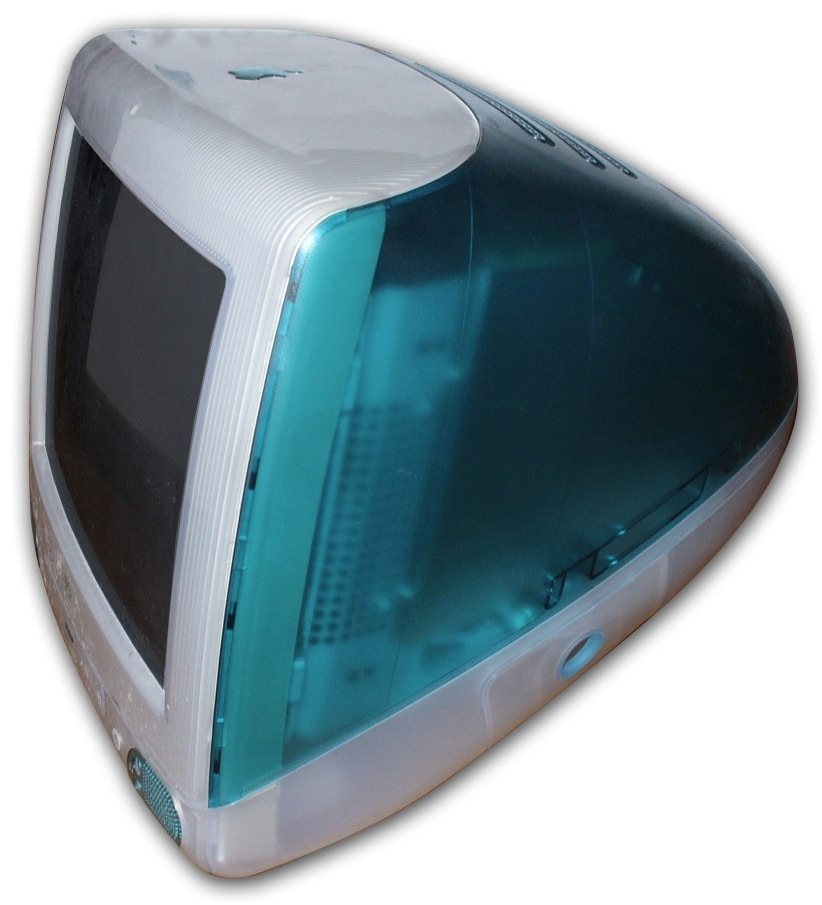
Apple iMac G3 in Bondi Blue, the kind of computer millions of kids used to access Neopets in the late 1990s
The iMac G3 was the gateway to the internet for millions of households in the late 1990s. For many young users, Neopets was what waited on the other side.

Two Students, a Server, and a Lot of Virtual Creatures

Adam Powell and Donna Williams (later Donna Powell) were students at the University of Nottingham in England when they started building Neopets in September 1999. The concept was deceptively simple: create a virtual pet, feed it, play games to earn Neopoints, and spend those Neopoints in an economy that the players themselves would drive. The site launched on November 15, 1999.

The timing was almost absurdly perfect. The web was still young enough that a site built by two people in their spare time could compete for attention with products backed by millions in venture capital. Neopets did not have a marketing budget. What it had was a product that was genuinely fun, surprisingly deep, and perfectly calibrated for the demographics that the rest of the internet was ignoring: kids and teenagers.

Within months, the site was growing faster than Powell and Williams could manage. By 2000, they had relocated from the UK to a small office in Glendale, California, hired a handful of employees, and started building out the features that would define the platform: the Neopian stock market, the auction house, user-created shops, HTML-customizable pet pages, and an ever-expanding library of browser-based mini-games.

The Immersive Advertising Model

Here is the thing about Neopets that most retrospectives gloss over: it was a business, and a surprisingly innovative one. The site pioneered what it called "immersive advertising," a model where brands did not just buy banner ads but became part of the game world itself. General Mills, Disney, and McDonald's all paid to have their products integrated into Neopets. There was a Cheerios-branded virtual cereal. There were McDonald's-themed games. The ads were not beside the content. They were inside it.

This was years before anyone used the phrase "native advertising." Neopets figured out that if you made the ad feel like part of the experience, kids would engage with it voluntarily. The model worked. The company was profitable. And that profitability attracted attention from exactly the kind of company that tends to ruin things.

Viacom Writes a $160 Million Check

On June 20, 2005, Viacom acquired Neopets, Inc. for $160 million through its MTV Networks division. At the time of the acquisition, the site had approximately 25 million registered users, with 35 million unique visitors per month generating roughly 4 billion page views. Users had created over 140 million virtual creatures. By any metric, it was a juggernaut.

The logic of the acquisition made sense on paper. Viacom owned Nickelodeon, MTV, and a portfolio of brands targeting young audiences. Neopets was the stickiest youth-oriented property on the internet. The average session length was over 40 minutes, a number that would make any social media company jealous even today.

But the acquisition came with an immediate philosophical shift. Viacom announced plans to move away from immersive advertising and toward traditional banner ads. The reasoning was straightforward from a corporate perspective: immersive ads were complex to produce, difficult to scale, and raised questions about marketing to children. Banner ads were simple, measurable, and familiar to Viacom's existing advertisers.

The problem was that immersive advertising was not just a revenue model. It was part of what made the experience feel cohesive. When you replaced it with banner ads, the site started feeling like what it technically always was: a free-to-play game sustained by advertising. The magic leaked out slowly.

Adam Powell and Donna Williams left the company shortly after the acquisition, citing creative differences. This is the polite version of what happens when founders realize they no longer control their own creation.

The Slow Decline Under Corporate Ownership

Viacom did not destroy Neopets overnight. The site continued to operate, continued to attract millions of users, and continued to generate revenue. But the investment in new features slowed. The development team shrank. Bug fixes took longer. New content became less frequent. The site's visual design, which had always been charmingly homemade, started to feel simply outdated.

The broader internet was changing, too. Facebook launched in 2004 and went public in 2006. YouTube was founded in 2005. The iPhone arrived in 2007. The attention of young users, the demographic Neopets depended on, was being pulled in a dozen new directions simultaneously. Neopets was a product of the late 1990s web, built on the assumption that users would sit at a desktop computer for long sessions and engage deeply with a single site. That assumption was evaporating.

Microsoft Zune with accessories, representative of the mid-2000s tech landscape
By the mid-2000s, the tech industry was racing toward mobile devices and portable media. Browser-based virtual worlds like Neopets were already starting to feel like relics of an earlier internet.

JumpStart and the Years of Neglect

In March 2014, Viacom sold Neopets to JumpStart Games, a company primarily known for educational software aimed at young children. The sale price was not publicly disclosed, but given that Viacom had paid $160 million nine years earlier, the markdown was almost certainly dramatic.

JumpStart's ownership is remembered by the Neopets community as the darkest era. The site became plagued by technical problems: persistent lag, broken features, lost inventory items, and security breaches. A data breach in 2022 exposed the personal information of approximately 69 million user accounts. Development of new content effectively stopped. The Neopets Team, as the developers had always been known, was reduced to a skeleton crew tasked with keeping the servers running and little else.

In July 2017, the Chinese company NetDragon acquired JumpStart Games, and Neopets came along as part of the deal. NetDragon was primarily interested in JumpStart's educational technology platform, not a virtual pet site built on aging Flash infrastructure. Neopets was, at best, an afterthought in the acquisition.

The Flash Apocalypse

For most of its existence, Neopets relied heavily on Adobe Flash. Hundreds of mini-games, site features, and interactive elements were built in Flash. When Adobe announced in 2017 that it would end support for Flash by December 31, 2020, it was a death sentence for large portions of the Neopets experience.

The Neopets Team began converting Flash content to HTML5, but the scale of the task was enormous. Hundreds of games and features needed to be rebuilt from scratch. With limited resources under JumpStart and NetDragon, the conversion was slow and incomplete. When Flash officially died at the end of 2020, dozens of beloved games simply stopped working. The Neopian economy, which depended on those games as a source of Neopoints, was thrown into further disarray.

For longtime players, the Flash apocalypse was not just a technical problem. It felt like watching parts of their childhood become literally inaccessible. Games they had played thousands of times were simply gone.

The NFT Detour

In 2021, amid the crypto boom, NetDragon greenlit a Neopets Metaverse project built on blockchain technology. The announcement was met with immediate and intense backlash from the existing community. Neopets players, many of whom had been on the site since childhood, were overwhelmingly opposed to NFTs being grafted onto their game.

The backlash was not just about cryptocurrency skepticism. It reflected a deeper frustration. The community had spent years watching the site deteriorate under corporate owners who did not understand or care about the product. An NFT project felt like the ultimate expression of that disconnect: instead of fixing what was broken, ownership was chasing the latest speculative trend.

The Management Buyout

On July 17, 2023, Neopets announced what it called "a new era." A management buyout, led by Dominic Law (previously the Chief Metaverse Officer, a title that has aged poorly), acquired Neopets from NetDragon. The resulting company, World of Neopia Inc., became fully independent for the first time since the Viacom acquisition eighteen years earlier.

The new leadership announced $4 million in investment funding and a roadmap focused on what the community had been asking for: fixing bugs, converting remaining Flash content, modernizing the site's infrastructure, and developing new features that respected the spirit of the original game. The NFT project was quietly shelved.

Law acknowledged the obvious challenge in interviews. The site had been operating at a loss for over a decade. The active user base, once in the tens of millions, had contracted to a fraction of that number. The brand still had recognition and nostalgia value, but converting that into a sustainable business would require more than goodwill.

What Neopets Actually Taught a Generation

The lasting significance of Neopets is not really about the pets. It is about what the site accidentally taught millions of young users. The Neopian economy was a functioning market simulation. Kids learned about supply and demand by watching item prices fluctuate. They learned about investment by playing the Neopian stock market. They learned HTML by customizing their pet pages and user profiles. They learned about scams by getting scammed, which is, unfortunately, the most effective way to learn about scams.

The site was also, for many users, their first experience with online community. The Neoboards (the site's forums) were where a generation of kids learned how to argue with strangers on the internet, how to form online friendships, and how to navigate the social dynamics of a digital space. These skills, for better or worse, are foundational to how the internet works today.

There is a direct line from Neopets to the creator economy, to the gig economy, to the gamification of everything. The site demonstrated, before anyone had a word for it, that if you wrapped economic activity in a layer of play, people would engage with it voluntarily and enthusiastically. Every mobile game with an in-app economy owes something to what Neopets built in 1999.

The Competitive Landscape That Ate Its Lunch

Neopets did not lose its audience to a single competitor. It lost them to the entire internet growing up around it. Club Penguin (launched 2005, acquired by Disney for $350 million in 2007) targeted a similar demographic with a more modern, visually polished experience. Webkinz (launched 2005) tied virtual pets to physical plush toys, creating a hybrid model that drove massive retail sales. And then there were the platforms that were not virtual pet sites at all but competed for the same attention: Facebook games, smartphone apps, YouTube, and eventually TikTok.

The common thread among Neopets' competitors was that they adapted to the way the internet was changing. Neopets, trapped under a series of owners who viewed it as a legacy asset rather than a living product, did not.

Where Neopets Stands Now

As of 2024, Neopets is still online. World of Neopia Inc. has made progress on the roadmap announced during the management buyout. The site has been migrated to more modern infrastructure. Some Flash content has been converted. The team has been communicating more transparently with the community than at any point since the Viacom acquisition.

Whether this is enough remains an open question. The site's 150 million registered accounts represent two decades of accumulated signups, not active users. The active community is small, dedicated, and predominantly composed of adults who played as children. Attracting new, younger users to a browser-based virtual pet site in 2024 is an entirely different challenge than doing so in 2001.

But the fact that Neopets exists at all is, in its own way, remarkable. It has survived three corporate owners, a data breach, the death of Flash, an unwanted NFT project, and over a decade of neglect. The community that kept logging in through all of that is one of the most resilient user bases on the internet. Whether World of Neopia can build something worthy of that loyalty is the last unanswered question in a story that has been going on for over twenty-five years.

The Economics of Neopia: A Crash Course Nobody Asked For

One of the most underappreciated aspects of Neopets was its economy. The Neopian economy was not a simplified play system. It was a remarkably complex market simulation that ran on real supply-and-demand dynamics, and for millions of kids, it was the first economic system they ever participated in.

The Neopian stock market, called the NEODAQ, let users buy and sell shares in fictional companies. Prices fluctuated based on algorithms that mimicked real market behavior. Users who paid attention could buy low and sell high, accumulating Neopoints in the process. The forums were filled with stock tips, analysis, and debates about whether "BOOM" (a fictional company) was overvalued. These were twelve-year-olds doing market analysis. Nobody told them to. The game just made it interesting enough that they wanted to.

The auction house and user-run shops created a secondary market where rare items could be traded for enormous sums. A rare paintbrush, which could change a pet's appearance, might sell for millions of Neopoints. Users learned about price manipulation, arbitrage, and the concept that scarcity creates value. Some users ran what were essentially virtual businesses, buying items in bulk at low prices from NPC shops and reselling them at a markup in their own shops. The concept of "restocking," refreshing an NPC shop page rapidly to snag rare items before anyone else, was a skill that required fast reflexes and deep knowledge of item values.

The site also had a system called the Trading Post for high-value items that exceeded the shop price cap. Negotiation happened through a wish list system, and the back-and-forth of offers and counteroffers taught users the basics of dealmaking. None of this was accidental. The Powell team designed an economy with enough depth to sustain long-term engagement, and they succeeded beyond any reasonable expectation.

The HTML Generation

Neopets offered users the ability to customize their pet pages, shop pages, and user profiles using HTML and CSS. For millions of young users, this was their first encounter with code. They did not think of it as programming. They thought of it as making their Kougra's page look cool. But the effect was the same: they learned to read and write markup, to understand how styling worked, to debug broken layouts, and to view the source code of pages they admired in order to figure out how things worked.

The Neopets user page ecosystem was, in retrospect, a massive distributed coding education program. Entire communities formed around sharing HTML templates, teaching CSS tricks, and helping other users customize their pages. Sites like Neopets CSS guides became some of the most popular fan resources on the web. A generation of web developers, designers, and technologists trace their earliest exposure to code back to trying to make their Neopets shop page look better than their friend's.

This is the part of the Neopets legacy that is hardest to quantify but might be the most significant. The site did not just entertain kids. It gave them tools and a reason to learn skills that turned out to be valuable in the real world. HTML, basic economics, community management, digital commerce. These were not in the lesson plan. They were side effects of a game that was designed to be engaging, and that happened to require its users to think.

The Community That Refused to Leave

Perhaps the most remarkable thing about Neopets is not its rise or its fall but the tenacity of its community. Through every ownership change, every technical failure, every period of neglect, a core group of users kept logging in. They kept feeding their pets. They kept restocking. They kept participating in the site's seasonal events, even when those events were buggy and half-finished.

The Neopets subreddit remains active. Fan sites like Jellyneo and The Daily Neopets continue to update. Artists share Neopets fan art on social media. The community has outlasted three corporate owners, and its members are, by and large, adults in their twenties and thirties who first played as children. They are not there out of habit. They are there because the game gave them something that no subsequent platform has fully replicated: a sense of ownership over a digital world that felt like theirs.

This is the paradox at the heart of the Neopets story. The product was neglected for over a decade, and the community sustained itself anyway. That level of loyalty is extraordinarily rare in any medium, let alone a browser-based game from 1999. It suggests that whatever Adam Powell and Donna Williams built in that first year, they got something fundamentally right about what makes people care about a digital space. The question for World of Neopia Inc. is whether that foundation is strong enough to build on, or whether the community's patience, remarkable as it has been, has finally reached its limit.

Frequently Asked Questions

Is Neopets still online?
Yes. Neopets is still operational at neopets.com. The site is now owned and operated by World of Neopia Inc., an independent company formed through a management buyout in July 2023.

Why did Neopets decline?
Multiple factors contributed: Viacom's shift away from the original advertising model, reduced investment in new content, the sale to JumpStart Games in 2014, persistent technical problems, the death of Adobe Flash in 2020, and the broader shift in internet usage away from browser-based games.

How many people played Neopets?
Neopets accumulated approximately 150 million registered accounts over its lifetime. At its peak around 2005, the site had roughly 35 million unique monthly visitors generating 4 billion page views per month.

How much did Viacom pay for Neopets?
Viacom acquired Neopets through its MTV Networks division on June 20, 2005, for $160 million.

What was immersive advertising?
Neopets pioneered a model where brand advertisements were integrated into the game itself rather than displayed as banner ads. Brands like General Mills and McDonald's had their products woven into the Neopian world as in-game items, games, and experiences.

Did Neopets try to do NFTs?
Yes. In 2021, under NetDragon's ownership, a Neopets Metaverse project built on blockchain technology was announced. It was met with significant backlash from the existing community and was quietly shelved after the 2023 management buyout.

๐Ÿ“– What Happened to Neopets, the Virtual World That Raised a Generation
_ โ–ก ร—
← Back

What Happened to Neopets, the Virtual World That Raised a Generation

2026-04-05 by 404 Memory Found

In 1999, 150 million registered accounts sounded like a number you would associate with a country, not a website about virtual pets. But that is exactly where Neopets ended up. At its peak, it was one of the stickiest sites on the entire internet, pulling in 4 billion page views a month and converting a generation of kids into amateur capitalists, amateur web designers, and amateur pet enthusiasts, all at the same time.

The trajectory of Neopets is not a simple story of a fad that faded. It is a case study in what happens when a product built by passionate creators gets passed through a chain of corporate owners, each one less equipped than the last to understand what made it special. And in 2023, a management buyout tried to undo two decades of damage. Whether it succeeds or not, the story of how we got here is worth understanding.

Apple iMac G3 in Bondi Blue, the kind of computer millions of kids used to access Neopets in the late 1990s
The iMac G3 was the gateway to the internet for millions of households in the late 1990s. For many young users, Neopets was what waited on the other side.

Two Students, a Server, and a Lot of Virtual Creatures

Adam Powell and Donna Williams (later Donna Powell) were students at the University of Nottingham in England when they started building Neopets in September 1999. The concept was deceptively simple: create a virtual pet, feed it, play games to earn Neopoints, and spend those Neopoints in an economy that the players themselves would drive. The site launched on November 15, 1999.

The timing was almost absurdly perfect. The web was still young enough that a site built by two people in their spare time could compete for attention with products backed by millions in venture capital. Neopets did not have a marketing budget. What it had was a product that was genuinely fun, surprisingly deep, and perfectly calibrated for the demographics that the rest of the internet was ignoring: kids and teenagers.

Within months, the site was growing faster than Powell and Williams could manage. By 2000, they had relocated from the UK to a small office in Glendale, California, hired a handful of employees, and started building out the features that would define the platform: the Neopian stock market, the auction house, user-created shops, HTML-customizable pet pages, and an ever-expanding library of browser-based mini-games.

The Immersive Advertising Model

Here is the thing about Neopets that most retrospectives gloss over: it was a business, and a surprisingly innovative one. The site pioneered what it called "immersive advertising," a model where brands did not just buy banner ads but became part of the game world itself. General Mills, Disney, and McDonald's all paid to have their products integrated into Neopets. There was a Cheerios-branded virtual cereal. There were McDonald's-themed games. The ads were not beside the content. They were inside it.

This was years before anyone used the phrase "native advertising." Neopets figured out that if you made the ad feel like part of the experience, kids would engage with it voluntarily. The model worked. The company was profitable. And that profitability attracted attention from exactly the kind of company that tends to ruin things.

Viacom Writes a $160 Million Check

On June 20, 2005, Viacom acquired Neopets, Inc. for $160 million through its MTV Networks division. At the time of the acquisition, the site had approximately 25 million registered users, with 35 million unique visitors per month generating roughly 4 billion page views. Users had created over 140 million virtual creatures. By any metric, it was a juggernaut.

The logic of the acquisition made sense on paper. Viacom owned Nickelodeon, MTV, and a portfolio of brands targeting young audiences. Neopets was the stickiest youth-oriented property on the internet. The average session length was over 40 minutes, a number that would make any social media company jealous even today.

But the acquisition came with an immediate philosophical shift. Viacom announced plans to move away from immersive advertising and toward traditional banner ads. The reasoning was straightforward from a corporate perspective: immersive ads were complex to produce, difficult to scale, and raised questions about marketing to children. Banner ads were simple, measurable, and familiar to Viacom's existing advertisers.

The problem was that immersive advertising was not just a revenue model. It was part of what made the experience feel cohesive. When you replaced it with banner ads, the site started feeling like what it technically always was: a free-to-play game sustained by advertising. The magic leaked out slowly.

Adam Powell and Donna Williams left the company shortly after the acquisition, citing creative differences. This is the polite version of what happens when founders realize they no longer control their own creation.

The Slow Decline Under Corporate Ownership

Viacom did not destroy Neopets overnight. The site continued to operate, continued to attract millions of users, and continued to generate revenue. But the investment in new features slowed. The development team shrank. Bug fixes took longer. New content became less frequent. The site's visual design, which had always been charmingly homemade, started to feel simply outdated.

The broader internet was changing, too. Facebook launched in 2004 and went public in 2006. YouTube was founded in 2005. The iPhone arrived in 2007. The attention of young users, the demographic Neopets depended on, was being pulled in a dozen new directions simultaneously. Neopets was a product of the late 1990s web, built on the assumption that users would sit at a desktop computer for long sessions and engage deeply with a single site. That assumption was evaporating.

Microsoft Zune with accessories, representative of the mid-2000s tech landscape
By the mid-2000s, the tech industry was racing toward mobile devices and portable media. Browser-based virtual worlds like Neopets were already starting to feel like relics of an earlier internet.

JumpStart and the Years of Neglect

In March 2014, Viacom sold Neopets to JumpStart Games, a company primarily known for educational software aimed at young children. The sale price was not publicly disclosed, but given that Viacom had paid $160 million nine years earlier, the markdown was almost certainly dramatic.

JumpStart's ownership is remembered by the Neopets community as the darkest era. The site became plagued by technical problems: persistent lag, broken features, lost inventory items, and security breaches. A data breach in 2022 exposed the personal information of approximately 69 million user accounts. Development of new content effectively stopped. The Neopets Team, as the developers had always been known, was reduced to a skeleton crew tasked with keeping the servers running and little else.

In July 2017, the Chinese company NetDragon acquired JumpStart Games, and Neopets came along as part of the deal. NetDragon was primarily interested in JumpStart's educational technology platform, not a virtual pet site built on aging Flash infrastructure. Neopets was, at best, an afterthought in the acquisition.

The Flash Apocalypse

For most of its existence, Neopets relied heavily on Adobe Flash. Hundreds of mini-games, site features, and interactive elements were built in Flash. When Adobe announced in 2017 that it would end support for Flash by December 31, 2020, it was a death sentence for large portions of the Neopets experience.

The Neopets Team began converting Flash content to HTML5, but the scale of the task was enormous. Hundreds of games and features needed to be rebuilt from scratch. With limited resources under JumpStart and NetDragon, the conversion was slow and incomplete. When Flash officially died at the end of 2020, dozens of beloved games simply stopped working. The Neopian economy, which depended on those games as a source of Neopoints, was thrown into further disarray.

For longtime players, the Flash apocalypse was not just a technical problem. It felt like watching parts of their childhood become literally inaccessible. Games they had played thousands of times were simply gone.

The NFT Detour

In 2021, amid the crypto boom, NetDragon greenlit a Neopets Metaverse project built on blockchain technology. The announcement was met with immediate and intense backlash from the existing community. Neopets players, many of whom had been on the site since childhood, were overwhelmingly opposed to NFTs being grafted onto their game.

The backlash was not just about cryptocurrency skepticism. It reflected a deeper frustration. The community had spent years watching the site deteriorate under corporate owners who did not understand or care about the product. An NFT project felt like the ultimate expression of that disconnect: instead of fixing what was broken, ownership was chasing the latest speculative trend.

The Management Buyout

On July 17, 2023, Neopets announced what it called "a new era." A management buyout, led by Dominic Law (previously the Chief Metaverse Officer, a title that has aged poorly), acquired Neopets from NetDragon. The resulting company, World of Neopia Inc., became fully independent for the first time since the Viacom acquisition eighteen years earlier.

The new leadership announced $4 million in investment funding and a roadmap focused on what the community had been asking for: fixing bugs, converting remaining Flash content, modernizing the site's infrastructure, and developing new features that respected the spirit of the original game. The NFT project was quietly shelved.

Law acknowledged the obvious challenge in interviews. The site had been operating at a loss for over a decade. The active user base, once in the tens of millions, had contracted to a fraction of that number. The brand still had recognition and nostalgia value, but converting that into a sustainable business would require more than goodwill.

What Neopets Actually Taught a Generation

The lasting significance of Neopets is not really about the pets. It is about what the site accidentally taught millions of young users. The Neopian economy was a functioning market simulation. Kids learned about supply and demand by watching item prices fluctuate. They learned about investment by playing the Neopian stock market. They learned HTML by customizing their pet pages and user profiles. They learned about scams by getting scammed, which is, unfortunately, the most effective way to learn about scams.

The site was also, for many users, their first experience with online community. The Neoboards (the site's forums) were where a generation of kids learned how to argue with strangers on the internet, how to form online friendships, and how to navigate the social dynamics of a digital space. These skills, for better or worse, are foundational to how the internet works today.

There is a direct line from Neopets to the creator economy, to the gig economy, to the gamification of everything. The site demonstrated, before anyone had a word for it, that if you wrapped economic activity in a layer of play, people would engage with it voluntarily and enthusiastically. Every mobile game with an in-app economy owes something to what Neopets built in 1999.

The Competitive Landscape That Ate Its Lunch

Neopets did not lose its audience to a single competitor. It lost them to the entire internet growing up around it. Club Penguin (launched 2005, acquired by Disney for $350 million in 2007) targeted a similar demographic with a more modern, visually polished experience. Webkinz (launched 2005) tied virtual pets to physical plush toys, creating a hybrid model that drove massive retail sales. And then there were the platforms that were not virtual pet sites at all but competed for the same attention: Facebook games, smartphone apps, YouTube, and eventually TikTok.

The common thread among Neopets' competitors was that they adapted to the way the internet was changing. Neopets, trapped under a series of owners who viewed it as a legacy asset rather than a living product, did not.

Where Neopets Stands Now

As of 2024, Neopets is still online. World of Neopia Inc. has made progress on the roadmap announced during the management buyout. The site has been migrated to more modern infrastructure. Some Flash content has been converted. The team has been communicating more transparently with the community than at any point since the Viacom acquisition.

Whether this is enough remains an open question. The site's 150 million registered accounts represent two decades of accumulated signups, not active users. The active community is small, dedicated, and predominantly composed of adults who played as children. Attracting new, younger users to a browser-based virtual pet site in 2024 is an entirely different challenge than doing so in 2001.

But the fact that Neopets exists at all is, in its own way, remarkable. It has survived three corporate owners, a data breach, the death of Flash, an unwanted NFT project, and over a decade of neglect. The community that kept logging in through all of that is one of the most resilient user bases on the internet. Whether World of Neopia can build something worthy of that loyalty is the last unanswered question in a story that has been going on for over twenty-five years.

The Economics of Neopia: A Crash Course Nobody Asked For

One of the most underappreciated aspects of Neopets was its economy. The Neopian economy was not a simplified play system. It was a remarkably complex market simulation that ran on real supply-and-demand dynamics, and for millions of kids, it was the first economic system they ever participated in.

The Neopian stock market, called the NEODAQ, let users buy and sell shares in fictional companies. Prices fluctuated based on algorithms that mimicked real market behavior. Users who paid attention could buy low and sell high, accumulating Neopoints in the process. The forums were filled with stock tips, analysis, and debates about whether "BOOM" (a fictional company) was overvalued. These were twelve-year-olds doing market analysis. Nobody told them to. The game just made it interesting enough that they wanted to.

The auction house and user-run shops created a secondary market where rare items could be traded for enormous sums. A rare paintbrush, which could change a pet's appearance, might sell for millions of Neopoints. Users learned about price manipulation, arbitrage, and the concept that scarcity creates value. Some users ran what were essentially virtual businesses, buying items in bulk at low prices from NPC shops and reselling them at a markup in their own shops. The concept of "restocking," refreshing an NPC shop page rapidly to snag rare items before anyone else, was a skill that required fast reflexes and deep knowledge of item values.

The site also had a system called the Trading Post for high-value items that exceeded the shop price cap. Negotiation happened through a wish list system, and the back-and-forth of offers and counteroffers taught users the basics of dealmaking. None of this was accidental. The Powell team designed an economy with enough depth to sustain long-term engagement, and they succeeded beyond any reasonable expectation.

The HTML Generation

Neopets offered users the ability to customize their pet pages, shop pages, and user profiles using HTML and CSS. For millions of young users, this was their first encounter with code. They did not think of it as programming. They thought of it as making their Kougra's page look cool. But the effect was the same: they learned to read and write markup, to understand how styling worked, to debug broken layouts, and to view the source code of pages they admired in order to figure out how things worked.

The Neopets user page ecosystem was, in retrospect, a massive distributed coding education program. Entire communities formed around sharing HTML templates, teaching CSS tricks, and helping other users customize their pages. Sites like Neopets CSS guides became some of the most popular fan resources on the web. A generation of web developers, designers, and technologists trace their earliest exposure to code back to trying to make their Neopets shop page look better than their friend's.

This is the part of the Neopets legacy that is hardest to quantify but might be the most significant. The site did not just entertain kids. It gave them tools and a reason to learn skills that turned out to be valuable in the real world. HTML, basic economics, community management, digital commerce. These were not in the lesson plan. They were side effects of a game that was designed to be engaging, and that happened to require its users to think.

The Community That Refused to Leave

Perhaps the most remarkable thing about Neopets is not its rise or its fall but the tenacity of its community. Through every ownership change, every technical failure, every period of neglect, a core group of users kept logging in. They kept feeding their pets. They kept restocking. They kept participating in the site's seasonal events, even when those events were buggy and half-finished.

The Neopets subreddit remains active. Fan sites like Jellyneo and The Daily Neopets continue to update. Artists share Neopets fan art on social media. The community has outlasted three corporate owners, and its members are, by and large, adults in their twenties and thirties who first played as children. They are not there out of habit. They are there because the game gave them something that no subsequent platform has fully replicated: a sense of ownership over a digital world that felt like theirs.

This is the paradox at the heart of the Neopets story. The product was neglected for over a decade, and the community sustained itself anyway. That level of loyalty is extraordinarily rare in any medium, let alone a browser-based game from 1999. It suggests that whatever Adam Powell and Donna Williams built in that first year, they got something fundamentally right about what makes people care about a digital space. The question for World of Neopia Inc. is whether that foundation is strong enough to build on, or whether the community's patience, remarkable as it has been, has finally reached its limit.

Frequently Asked Questions

Is Neopets still online?
Yes. Neopets is still operational at neopets.com. The site is now owned and operated by World of Neopia Inc., an independent company formed through a management buyout in July 2023.

Why did Neopets decline?
Multiple factors contributed: Viacom's shift away from the original advertising model, reduced investment in new content, the sale to JumpStart Games in 2014, persistent technical problems, the death of Adobe Flash in 2020, and the broader shift in internet usage away from browser-based games.

How many people played Neopets?
Neopets accumulated approximately 150 million registered accounts over its lifetime. At its peak around 2005, the site had roughly 35 million unique monthly visitors generating 4 billion page views per month.

How much did Viacom pay for Neopets?
Viacom acquired Neopets through its MTV Networks division on June 20, 2005, for $160 million.

What was immersive advertising?
Neopets pioneered a model where brand advertisements were integrated into the game itself rather than displayed as banner ads. Brands like General Mills and McDonald's had their products woven into the Neopian world as in-game items, games, and experiences.

Did Neopets try to do NFTs?
Yes. In 2021, under NetDragon's ownership, a Neopets Metaverse project built on blockchain technology was announced. It was met with significant backlash from the existing community and was quietly shelved after the 2023 management buyout.

๐Ÿ“– What Happened to Neopets, the Virtual World That Raised a Generation

In 1999, 150 million registered accounts sounded like a number you would associate with a country, not a website about virtual pets. But that is exactly where Neopets ended up. At its peak, it was one of the stickiest sites on the entire internet, pulling in 4 billion page views a month and converting a generation of kids into amateur capitalists, amateur web designers, and amateur pet enthusiasts, all at the same time.

The trajectory of Neopets is not a simple story of a fad that faded. It is a case study in what happens when a product built by passionate creators gets passed through a chain of corporate owners, each one less equipped than the last to understand what made it special. And in 2023, a management buyout tried to undo two decades of damage. Whether it succeeds or not, the story of how we got here is worth understanding.

Apple iMac G3 in Bondi Blue, the kind of computer millions of kids used to access Neopets in the late 1990s
The iMac G3 was the gateway to the internet for millions of households in the late 1990s. For many young users, Neopets was what waited on the other side.

Two Students, a Server, and a Lot of Virtual Creatures

Adam Powell and Donna Williams (later Donna Powell) were students at the University of Nottingham in England when they started building Neopets in September 1999. The concept was deceptively simple: create a virtual pet, feed it, play games to earn Neopoints, and spend those Neopoints in an economy that the players themselves would drive. The site launched on November 15, 1999.

The timing was almost absurdly perfect. The web was still young enough that a site built by two people in their spare time could compete for attention with products backed by millions in venture capital. Neopets did not have a marketing budget. What it had was a product that was genuinely fun, surprisingly deep, and perfectly calibrated for the demographics that the rest of the internet was ignoring: kids and teenagers.

Within months, the site was growing faster than Powell and Williams could manage. By 2000, they had relocated from the UK to a small office in Glendale, California, hired a handful of employees, and started building out the features that would define the platform: the Neopian stock market, the auction house, user-created shops, HTML-customizable pet pages, and an ever-expanding library of browser-based mini-games.

The Immersive Advertising Model

Here is the thing about Neopets that most retrospectives gloss over: it was a business, and a surprisingly innovative one. The site pioneered what it called "immersive advertising," a model where brands did not just buy banner ads but became part of the game world itself. General Mills, Disney, and McDonald's all paid to have their products integrated into Neopets. There was a Cheerios-branded virtual cereal. There were McDonald's-themed games. The ads were not beside the content. They were inside it.

This was years before anyone used the phrase "native advertising." Neopets figured out that if you made the ad feel like part of the experience, kids would engage with it voluntarily. The model worked. The company was profitable. And that profitability attracted attention from exactly the kind of company that tends to ruin things.

Viacom Writes a $160 Million Check

On June 20, 2005, Viacom acquired Neopets, Inc. for $160 million through its MTV Networks division. At the time of the acquisition, the site had approximately 25 million registered users, with 35 million unique visitors per month generating roughly 4 billion page views. Users had created over 140 million virtual creatures. By any metric, it was a juggernaut.

The logic of the acquisition made sense on paper. Viacom owned Nickelodeon, MTV, and a portfolio of brands targeting young audiences. Neopets was the stickiest youth-oriented property on the internet. The average session length was over 40 minutes, a number that would make any social media company jealous even today.

But the acquisition came with an immediate philosophical shift. Viacom announced plans to move away from immersive advertising and toward traditional banner ads. The reasoning was straightforward from a corporate perspective: immersive ads were complex to produce, difficult to scale, and raised questions about marketing to children. Banner ads were simple, measurable, and familiar to Viacom's existing advertisers.

The problem was that immersive advertising was not just a revenue model. It was part of what made the experience feel cohesive. When you replaced it with banner ads, the site started feeling like what it technically always was: a free-to-play game sustained by advertising. The magic leaked out slowly.

Adam Powell and Donna Williams left the company shortly after the acquisition, citing creative differences. This is the polite version of what happens when founders realize they no longer control their own creation.

The Slow Decline Under Corporate Ownership

Viacom did not destroy Neopets overnight. The site continued to operate, continued to attract millions of users, and continued to generate revenue. But the investment in new features slowed. The development team shrank. Bug fixes took longer. New content became less frequent. The site's visual design, which had always been charmingly homemade, started to feel simply outdated.

The broader internet was changing, too. Facebook launched in 2004 and went public in 2006. YouTube was founded in 2005. The iPhone arrived in 2007. The attention of young users, the demographic Neopets depended on, was being pulled in a dozen new directions simultaneously. Neopets was a product of the late 1990s web, built on the assumption that users would sit at a desktop computer for long sessions and engage deeply with a single site. That assumption was evaporating.

Microsoft Zune with accessories, representative of the mid-2000s tech landscape
By the mid-2000s, the tech industry was racing toward mobile devices and portable media. Browser-based virtual worlds like Neopets were already starting to feel like relics of an earlier internet.

JumpStart and the Years of Neglect

In March 2014, Viacom sold Neopets to JumpStart Games, a company primarily known for educational software aimed at young children. The sale price was not publicly disclosed, but given that Viacom had paid $160 million nine years earlier, the markdown was almost certainly dramatic.

JumpStart's ownership is remembered by the Neopets community as the darkest era. The site became plagued by technical problems: persistent lag, broken features, lost inventory items, and security breaches. A data breach in 2022 exposed the personal information of approximately 69 million user accounts. Development of new content effectively stopped. The Neopets Team, as the developers had always been known, was reduced to a skeleton crew tasked with keeping the servers running and little else.

In July 2017, the Chinese company NetDragon acquired JumpStart Games, and Neopets came along as part of the deal. NetDragon was primarily interested in JumpStart's educational technology platform, not a virtual pet site built on aging Flash infrastructure. Neopets was, at best, an afterthought in the acquisition.

The Flash Apocalypse

For most of its existence, Neopets relied heavily on Adobe Flash. Hundreds of mini-games, site features, and interactive elements were built in Flash. When Adobe announced in 2017 that it would end support for Flash by December 31, 2020, it was a death sentence for large portions of the Neopets experience.

The Neopets Team began converting Flash content to HTML5, but the scale of the task was enormous. Hundreds of games and features needed to be rebuilt from scratch. With limited resources under JumpStart and NetDragon, the conversion was slow and incomplete. When Flash officially died at the end of 2020, dozens of beloved games simply stopped working. The Neopian economy, which depended on those games as a source of Neopoints, was thrown into further disarray.

For longtime players, the Flash apocalypse was not just a technical problem. It felt like watching parts of their childhood become literally inaccessible. Games they had played thousands of times were simply gone.

The NFT Detour

In 2021, amid the crypto boom, NetDragon greenlit a Neopets Metaverse project built on blockchain technology. The announcement was met with immediate and intense backlash from the existing community. Neopets players, many of whom had been on the site since childhood, were overwhelmingly opposed to NFTs being grafted onto their game.

The backlash was not just about cryptocurrency skepticism. It reflected a deeper frustration. The community had spent years watching the site deteriorate under corporate owners who did not understand or care about the product. An NFT project felt like the ultimate expression of that disconnect: instead of fixing what was broken, ownership was chasing the latest speculative trend.

The Management Buyout

On July 17, 2023, Neopets announced what it called "a new era." A management buyout, led by Dominic Law (previously the Chief Metaverse Officer, a title that has aged poorly), acquired Neopets from NetDragon. The resulting company, World of Neopia Inc., became fully independent for the first time since the Viacom acquisition eighteen years earlier.

The new leadership announced $4 million in investment funding and a roadmap focused on what the community had been asking for: fixing bugs, converting remaining Flash content, modernizing the site's infrastructure, and developing new features that respected the spirit of the original game. The NFT project was quietly shelved.

Law acknowledged the obvious challenge in interviews. The site had been operating at a loss for over a decade. The active user base, once in the tens of millions, had contracted to a fraction of that number. The brand still had recognition and nostalgia value, but converting that into a sustainable business would require more than goodwill.

What Neopets Actually Taught a Generation

The lasting significance of Neopets is not really about the pets. It is about what the site accidentally taught millions of young users. The Neopian economy was a functioning market simulation. Kids learned about supply and demand by watching item prices fluctuate. They learned about investment by playing the Neopian stock market. They learned HTML by customizing their pet pages and user profiles. They learned about scams by getting scammed, which is, unfortunately, the most effective way to learn about scams.

The site was also, for many users, their first experience with online community. The Neoboards (the site's forums) were where a generation of kids learned how to argue with strangers on the internet, how to form online friendships, and how to navigate the social dynamics of a digital space. These skills, for better or worse, are foundational to how the internet works today.

There is a direct line from Neopets to the creator economy, to the gig economy, to the gamification of everything. The site demonstrated, before anyone had a word for it, that if you wrapped economic activity in a layer of play, people would engage with it voluntarily and enthusiastically. Every mobile game with an in-app economy owes something to what Neopets built in 1999.

The Competitive Landscape That Ate Its Lunch

Neopets did not lose its audience to a single competitor. It lost them to the entire internet growing up around it. Club Penguin (launched 2005, acquired by Disney for $350 million in 2007) targeted a similar demographic with a more modern, visually polished experience. Webkinz (launched 2005) tied virtual pets to physical plush toys, creating a hybrid model that drove massive retail sales. And then there were the platforms that were not virtual pet sites at all but competed for the same attention: Facebook games, smartphone apps, YouTube, and eventually TikTok.

The common thread among Neopets' competitors was that they adapted to the way the internet was changing. Neopets, trapped under a series of owners who viewed it as a legacy asset rather than a living product, did not.

Where Neopets Stands Now

As of 2024, Neopets is still online. World of Neopia Inc. has made progress on the roadmap announced during the management buyout. The site has been migrated to more modern infrastructure. Some Flash content has been converted. The team has been communicating more transparently with the community than at any point since the Viacom acquisition.

Whether this is enough remains an open question. The site's 150 million registered accounts represent two decades of accumulated signups, not active users. The active community is small, dedicated, and predominantly composed of adults who played as children. Attracting new, younger users to a browser-based virtual pet site in 2024 is an entirely different challenge than doing so in 2001.

But the fact that Neopets exists at all is, in its own way, remarkable. It has survived three corporate owners, a data breach, the death of Flash, an unwanted NFT project, and over a decade of neglect. The community that kept logging in through all of that is one of the most resilient user bases on the internet. Whether World of Neopia can build something worthy of that loyalty is the last unanswered question in a story that has been going on for over twenty-five years.

The Economics of Neopia: A Crash Course Nobody Asked For

One of the most underappreciated aspects of Neopets was its economy. The Neopian economy was not a simplified play system. It was a remarkably complex market simulation that ran on real supply-and-demand dynamics, and for millions of kids, it was the first economic system they ever participated in.

The Neopian stock market, called the NEODAQ, let users buy and sell shares in fictional companies. Prices fluctuated based on algorithms that mimicked real market behavior. Users who paid attention could buy low and sell high, accumulating Neopoints in the process. The forums were filled with stock tips, analysis, and debates about whether "BOOM" (a fictional company) was overvalued. These were twelve-year-olds doing market analysis. Nobody told them to. The game just made it interesting enough that they wanted to.

The auction house and user-run shops created a secondary market where rare items could be traded for enormous sums. A rare paintbrush, which could change a pet's appearance, might sell for millions of Neopoints. Users learned about price manipulation, arbitrage, and the concept that scarcity creates value. Some users ran what were essentially virtual businesses, buying items in bulk at low prices from NPC shops and reselling them at a markup in their own shops. The concept of "restocking," refreshing an NPC shop page rapidly to snag rare items before anyone else, was a skill that required fast reflexes and deep knowledge of item values.

The site also had a system called the Trading Post for high-value items that exceeded the shop price cap. Negotiation happened through a wish list system, and the back-and-forth of offers and counteroffers taught users the basics of dealmaking. None of this was accidental. The Powell team designed an economy with enough depth to sustain long-term engagement, and they succeeded beyond any reasonable expectation.

The HTML Generation

Neopets offered users the ability to customize their pet pages, shop pages, and user profiles using HTML and CSS. For millions of young users, this was their first encounter with code. They did not think of it as programming. They thought of it as making their Kougra's page look cool. But the effect was the same: they learned to read and write markup, to understand how styling worked, to debug broken layouts, and to view the source code of pages they admired in order to figure out how things worked.

The Neopets user page ecosystem was, in retrospect, a massive distributed coding education program. Entire communities formed around sharing HTML templates, teaching CSS tricks, and helping other users customize their pages. Sites like Neopets CSS guides became some of the most popular fan resources on the web. A generation of web developers, designers, and technologists trace their earliest exposure to code back to trying to make their Neopets shop page look better than their friend's.

This is the part of the Neopets legacy that is hardest to quantify but might be the most significant. The site did not just entertain kids. It gave them tools and a reason to learn skills that turned out to be valuable in the real world. HTML, basic economics, community management, digital commerce. These were not in the lesson plan. They were side effects of a game that was designed to be engaging, and that happened to require its users to think.

The Community That Refused to Leave

Perhaps the most remarkable thing about Neopets is not its rise or its fall but the tenacity of its community. Through every ownership change, every technical failure, every period of neglect, a core group of users kept logging in. They kept feeding their pets. They kept restocking. They kept participating in the site's seasonal events, even when those events were buggy and half-finished.

The Neopets subreddit remains active. Fan sites like Jellyneo and The Daily Neopets continue to update. Artists share Neopets fan art on social media. The community has outlasted three corporate owners, and its members are, by and large, adults in their twenties and thirties who first played as children. They are not there out of habit. They are there because the game gave them something that no subsequent platform has fully replicated: a sense of ownership over a digital world that felt like theirs.

This is the paradox at the heart of the Neopets story. The product was neglected for over a decade, and the community sustained itself anyway. That level of loyalty is extraordinarily rare in any medium, let alone a browser-based game from 1999. It suggests that whatever Adam Powell and Donna Williams built in that first year, they got something fundamentally right about what makes people care about a digital space. The question for World of Neopia Inc. is whether that foundation is strong enough to build on, or whether the community's patience, remarkable as it has been, has finally reached its limit.

Frequently Asked Questions

Is Neopets still online?
Yes. Neopets is still operational at neopets.com. The site is now owned and operated by World of Neopia Inc., an independent company formed through a management buyout in July 2023.

Why did Neopets decline?
Multiple factors contributed: Viacom's shift away from the original advertising model, reduced investment in new content, the sale to JumpStart Games in 2014, persistent technical problems, the death of Adobe Flash in 2020, and the broader shift in internet usage away from browser-based games.

How many people played Neopets?
Neopets accumulated approximately 150 million registered accounts over its lifetime. At its peak around 2005, the site had roughly 35 million unique monthly visitors generating 4 billion page views per month.

How much did Viacom pay for Neopets?
Viacom acquired Neopets through its MTV Networks division on June 20, 2005, for $160 million.

What was immersive advertising?
Neopets pioneered a model where brand advertisements were integrated into the game itself rather than displayed as banner ads. Brands like General Mills and McDonald's had their products woven into the Neopian world as in-game items, games, and experiences.

Did Neopets try to do NFTs?
Yes. In 2021, under NetDragon's ownership, a Neopets Metaverse project built on blockchain technology was announced. It was met with significant backlash from the existing community and was quietly shelved after the 2023 management buyout.

00:00