The Original Sims: How a Virtual Dollhouse Became the Best-Selling PC Game Ever

The Game Nobody at Maxis Wanted to Make

Picture this: 1993. Will Wright, the guy who created SimCity, one of the most successful PC games of all time, walks into a meeting at Maxis and pitches his next idea. Itโ€™s a game where you control a little digital person. You make them eat breakfast. You make them go to the bathroom. You watch them sleep. Thatโ€™s it. Thatโ€™s the pitch.

The Maxis board looked at him like heโ€™d lost his mind.

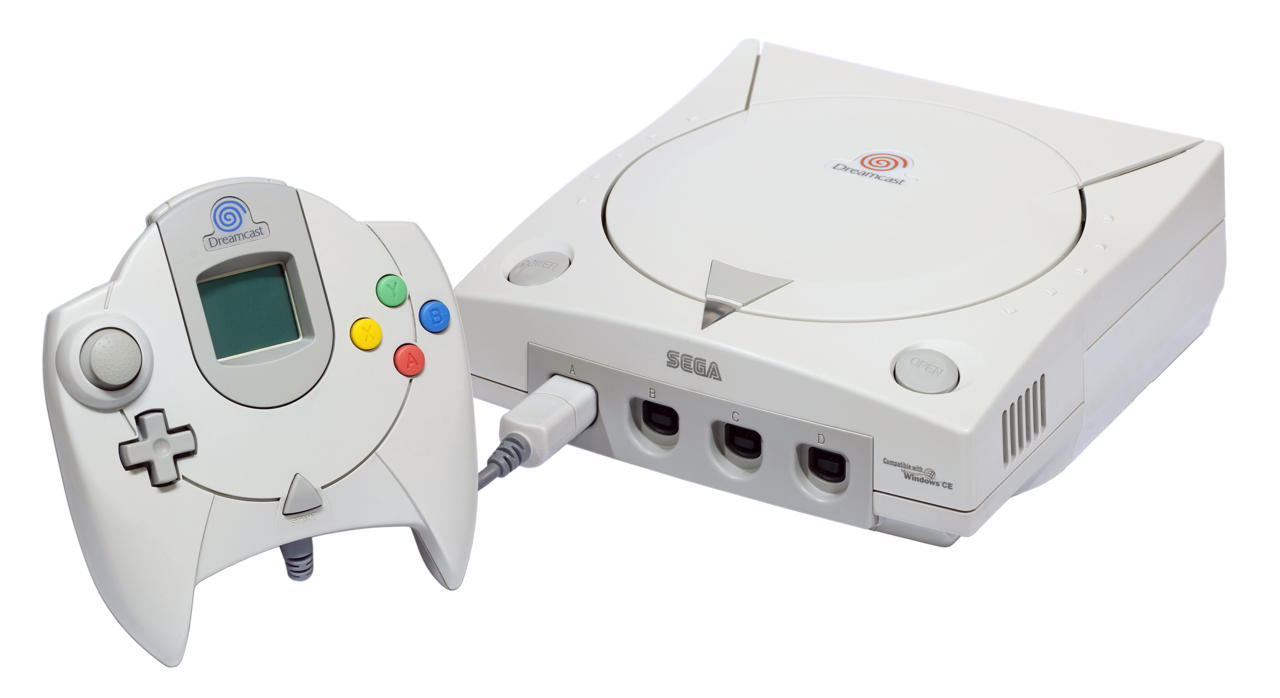
Sega Dreamcast console set from the late 1990s gaming era
While console makers like Sega battled for the living room in the late 1990s, a quiet revolution in PC gaming was about to change everything about who plays video games.

They werenโ€™t entirely wrong to be skeptical. This was the mid-90s. PC gaming was all about faster, louder, more polygons. Doom had just blown the doors off the industry. Warcraft was turning real-time strategy into a phenomenon. And here was Will Wright, arguably the most respected designer in the business, saying he wanted to make a game about doing laundry.

The project was internally called "Dollhouse." And that name tells you everything about why the suits at Maxis hated it. In a boardroom full of guys chasing the next shooter or strategy blockbuster, the word "dollhouse" was a death sentence. It sounded small, soft, and fundamentally unmarketable. Who would buy this? Who was the audience? What was the hook?

Seven years later, The Sims would become the best-selling PC game of all time, move over 16 million copies of the base game alone, spawn a franchise worth over 200 million units sold, and attract an audience that was nearly 60% women in an industry that barely acknowledged female gamers existed. It changed everything. And it almost never happened.

A House Fire Started It All

The origin story of The Sims begins with a disaster. On October 20, 1991, the Oakland firestorm tore through the hills east of San Francisco, destroying over 3,000 homes and killing 25 people. One of those homes belonged to Will Wright.

Wright lost everything. And then he had to rebuild. He had to deal with architects, pick out furniture, figure out floor plans, argue with contractors about where the kitchen should go. For most people, this would just be a miserable bureaucratic nightmare. For Will Wright, it was a game idea.

He started thinking about the process of building and furnishing a home as a system. There were constraints. There was a budget. There were competing priorities. You had to balance aesthetics against function, space against cost. And then the people who lived in that house had their own needs, their own routines, their own personalities that clashed with each other and with the space itself.

Wright had already proven with SimCity that complex systems could be turned into compelling games. SimCity let you build a city and watch it evolve. What if he zoomed all the way in? What if instead of managing a city of thousands, you managed one household? One family? The economics of a kitchen renovation. The social dynamics of roommates who didnโ€™t get along. The mundane, relatable chaos of everyday domestic life.

He started prototyping in 1993. The working title was "Dollhouse," and right from the beginning, the name was a problem.

Project X and the Women Who Saved It

The Maxis board didnโ€™t just dislike the Dollhouse concept. They actively wanted it dead. The company was gearing up for an IPO in the mid-90s, and the last thing they needed was their star designer spending years on a game about making beds and cooking spaghetti. Maxis had already been burned by a string of underperforming titles. The gaming market was getting more expensive to compete in, and the company had no appetite for risk.

Wright knew he had a perception problem. So he did something clever: he rebranded the project internally. "Dollhouse" became "Project X," and he pitched it as a "tactical domestic simulator." Which is both ridiculous and kind of brilliant, because itโ€™s technically accurate. You are, in fact, running tactical operations in a domestic environment. Youโ€™re managing resources, optimizing schedules, making strategic decisions about furniture placement. Calling it that made it sound like something the board could take seriously.

But the rebrand only bought him time. By the end of 1996, Maxis was in financial trouble. The companyโ€™s stock was sinking, layoffs were happening, and the board pulled the plug on Project X. Wrightโ€™s game was officially dead.

Hereโ€™s where the story takes a turn that nobody expected. Electronic Arts, the company that would later become famous for buying studios and grinding them into dust, actually saved The Sims. EA had acquired Maxis in 1997 for about $125 million, primarily because they wanted SimCity. But in the process, they inherited Will Wright and his weird little cancelled project.

The people at EA who championed the game were, notably, not the usual suspects. It wasnโ€™t the guys in marketing who sold shooters. It was a group that included several women at the company who immediately understood what the Maxis board had missed: the game wasnโ€™t about managing a house. It was about people. And people are inherently interesting to everyone, not just the 18-to-34 male demographic that the entire industry was obsessed with.

Commodore 64 home computer, front and back view
Home computers like the Commodore 64 had been gaming machines for over a decade. But nobody expected a domestic life simulator to become the biggest PC game in history.

February 4, 2000: Launch Day

The Sims shipped on February 4, 2000. EAโ€™s expectations were modest. This was a game that didnโ€™t fit neatly into any genre. It wasnโ€™t a strategy game, though it had strategy elements. It wasnโ€™t a simulation in the traditional sense, though it simulated human behavior. There was no win condition. No final boss. No way to "beat" it. You just played, and kept playing, and things happened.

It was the best-selling PC game of 2000. And 2001. And 2002.

By March 2002, The Sims had sold over 6.3 million copies worldwide, surpassing Myst as the best-selling PC game in history. This was a record that Myst had held for years, and The Sims demolished it. By 2005, the base game alone had shipped over 16 million copies worldwide.

But the sales numbers, as impressive as they were, werenโ€™t the most remarkable thing about The Sims. The demographics were.

The Game That Changed Who "Gamers" Were

In 2000, the PC gaming audience was overwhelmingly male. Not exclusively, but the industry marketed almost entirely to men. Game covers featured soldiers, warriors, race cars, and explosions. The assumption, baked into every marketing budget and focus group, was that women didnโ€™t really play games. At least not "real" games. Maybe Tetris. Maybe some puzzle games. But not the big releases.

The Sims blew that assumption apart. Within months of launch, surveys showed that nearly 60% of Sims players were women. This wasnโ€™t a niche finding. This was the best-selling PC game in the world, and the majority of its audience was a demographic that the industry had been ignoring for decades.

Will Wright talked about this in interviews, and he was characteristically matter-of-fact about it. The game appealed to women because it was about social relationships, domestic life, and human behavior. These werenโ€™t "womenโ€™s interests." They were universal interests that the gaming industry had simply never bothered to turn into a game before. The Sims didnโ€™t discover a new market. It revealed an existing one that had been invisible.

And those players werenโ€™t casual about it. They played obsessively. They spent hours building houses, designing rooms, creating elaborate family dramas. The game had a modding community that exploded almost immediately, with players creating custom furniture, wallpaper, clothing, and character skins. This was before Steam Workshop, before modding was mainstream. Players were downloading .zip files from fan sites, extracting them into game folders, and troubleshooting file conflicts manually. And they loved it.

The Expansion Pack Machine

If The Sims base game was a hit, the expansion packs turned it into an empire. EA released seven expansion packs between 2000 and 2003, and every single one of them sold in the millions.

The first, Livinโ€™ Large, launched in August 2000, just six months after the base game. It added new career paths, items, and lot sizes, and it sold well enough to remain the sixth-highest-selling PC game in the United States through 2001, generating $22.9 million in domestic revenue that year. House Party followed in March 2001, adding social events and party mechanics. Hot Date came in November 2001 and introduced downtown areas and dating systems.

Then came Vacation in 2002, Unleashed later that year (pets, which would become a franchise tradition), Superstar in 2003, and finally Makinโ€™ Magic in October 2003. Each one layered new systems onto the base game, and the cumulative effect was a game that, by 2003, bore almost no resemblance to the relatively simple life sim that had launched three years earlier.

The expansion pack model was nothing new. PC games had been releasing expansions for years. But The Sims perfected it in a way that nobody had before. Each pack felt less like a cash grab and more like a genuine evolution of the core experience. The players who had been building elaborate houses and creating complex family trees suddenly had new tools, new spaces, new possibilities. The game kept growing, and the audience kept growing with it.

By the time the final expansion pack dropped, The Sims and its add-ons had combined to sell tens of millions of units. More importantly, they had trained an audience to expect ongoing content for a single game. This model, releasing a base game and then selling modular add-ons over several years, would become the template for how EA (and eventually the entire industry) monetized franchises going forward.

The Pool Ladder and the Dark Side of Suburbia

You canโ€™t write about The Sims without talking about the pool ladder. Itโ€™s become one of the most enduring memes in gaming history, and if you played the original game, you know exactly what Iโ€™m talking about.

Hereโ€™s what would happen: youโ€™d build your Sim a nice house. Put a swimming pool in the backyard. Your Sim would go for a swim. And then, while they were in the pool, youโ€™d delete the ladder. The Sim couldnโ€™t get out. Theyโ€™d swim around in circles, getting more and more tired, until eventually they drowned. You just killed someone with architecture.

This was never an intended feature. It was a consequence of the gameโ€™s AI. Sims couldnโ€™t climb out of pools without ladders because the pathfinding system required a specific exit point. When you removed it, the Sim was trapped. And players discovered this almost immediately and turned it into a ritual.

The pool ladder thing says something fascinating about what The Sims actually was. On the surface, it was a cheerful domestic simulator with bright colors and quirky music. Underneath, it was a sandbox for human psychology. Players didnโ€™t just build happy homes. They built miserable ones. They trapped Sims in rooms with no doors. They removed toilets and watched the consequences. They created elaborate torture chambers disguised as suburban houses.

Will Wright understood this completely. In interviews, he talked about how the game was really a platform for storytelling, and stories need conflict. The ability to be cruel was just as important as the ability to be kind. The Sims gave players power over digital lives, and players immediately explored every dimension of that power, including the dark ones.

This wasnโ€™t something EA marketed, obviously. But it was fundamental to why the game worked. The Sims was never really a game about happiness. It was a game about control. And that turns out to be something that almost everybody finds irresistible.

The Sims 2 and the Franchise Takes Off

The Sims 2 launched on September 14, 2004, and it made the original look like a tech demo. Full 3D graphics replaced the isometric view. Sims now aged, going from babies to elders over the course of a game. Genetics meant that children actually resembled their parents. Aspirations gave Sims individual goals and desires. The emotional depth went from "happy or sad" to a complex web of wants, fears, and memories.

It sold over one million copies in its first ten days, making it the fastest-selling PC game at that point in history. The franchise was now a blockbuster on the level of the biggest console titles, except it existed almost entirely on PC, a platform that the mainstream gaming press was starting to write off in favor of the PlayStation 2 and Xbox.

The Sims 2 eventually received eight expansion packs and nine "stuff packs" (smaller add-ons focused on specific item categories), establishing a monetization cadence that EA would refine with each subsequent generation. The game also came to consoles for the first time in a meaningful way, with versions on PlayStation 2, Xbox, Nintendo DS, and Game Boy Advance.

What The Sims Got Right That Nobody Else Could Copy

The gaming industry has tried, repeatedly, to replicate what The Sims did. And almost nobody has succeeded. There have been life simulation games, virtual dollhouse games, people management games. None of them have come close to the cultural impact or commercial success of The Sims.

The reason is that Will Wright understood something about game design that most developers miss. The Sims wasnโ€™t really a game about Sims. It was a game about you. Every house you built was a reflection of your taste. Every family you created was a projection of your relationships, your fantasies, your anxieties. The pool you filled with water and then took the ladder out of was a mirror.

The game gave you a set of extremely flexible tools and then got out of the way. There were no scripted storylines. No cutscenes telling you what to feel. No objectives beyond the ones you set for yourself. This was radical in 2000, and honestly, itโ€™s still rare today. Most games are terrified of giving the player that much freedom, because freedom means some players will do "wrong" things, or boring things, or cruel things. The Sims embraced all of it.

The other thing Wright got right was the mundane. Before The Sims, nobody would have believed that watching a digital character make a sandwich could be compelling. But it was, because the game turned every mundane action into a potential story beat. Your Sim burns the sandwich. The kitchen catches fire. The fire department comes. Your Simโ€™s roommate falls in love with the firefighter. Suddenly you have a narrative, and it emerged entirely from the gameโ€™s systems interacting with each other.

This emergent storytelling is incredibly hard to design. It requires systems that are simple enough to be readable but complex enough to surprise. The Sims nailed it on the first try, and two decades later, itโ€™s still the gold standard.

200 Million Units and Counting

The Sims franchise has now sold over 200 million copies across all titles and platforms. The Sims 4, released in 2014, has been the longest-running entry in the series and went free-to-play in 2022. The franchise generates hundreds of millions in annual revenue through expansion packs, game packs, stuff packs, and kits.

But the legacy of The Sims goes beyond sales numbers. It proved that games didnโ€™t have to be about combat to be massive. It proved that female gamers were a real, enormous, lucrative market. It proved that mundane subject matter could be endlessly compelling if the systems were good enough. And it proved that a weird little project about making digital people eat breakfast, the one that everybody at Maxis wanted to kill, was the most commercially important PC game ever made.

Will Wright left EA in 2009. Maxis, the studio he co-founded, was effectively shut down in 2015 after the disastrous launch of SimCity (2013). The Sims franchise continues under EAโ€™s internal teams, and the community remains passionate, vocal, and creative.

Not bad for a game they called "Dollhouse."

Frequently Asked Questions

When was the original Sims released?
The Sims was released on February 4, 2000, for Microsoft Windows. It was developed by Maxis and published by Electronic Arts.

How many copies did The Sims sell?
The original Sims base game sold over 11.3 million copies. The entire franchise has sold over 200 million copies across all platforms and sequels.

Why did Maxis reject The Sims initially?
The Maxis board didnโ€™t believe a domestic life simulator would sell, especially during a period when the company was preparing for an IPO and avoiding risky projects. The game was internally called "Dollhouse," which didnโ€™t help its perception.

Why was The Sims so popular with women?
Nearly 60% of Sims players were women. The game focused on social relationships, home design, and human behavior, topics that appealed to a broad audience the gaming industry had largely ignored.

What is the pool ladder meme about?
In the original Sims, players discovered they could trap Sims in swimming pools by removing the exit ladder, causing the Sim to drown. This became one of gamingโ€™s most iconic dark humor memes.

How many expansion packs did the original Sims have?
The original Sims had seven expansion packs: Livinโ€™ Large, House Party, Hot Date, Vacation, Unleashed, Superstar, and Makinโ€™ Magic, released between 2000 and 2003.

Is Will Wright still involved with The Sims?
No. Will Wright left Electronic Arts in 2009. The Sims franchise is now managed by EAโ€™s internal development teams.

๐Ÿ“– The Original Sims: How a Virtual Dollhouse Became the Best-Selling PC Game Ever
_ โ–ก ร—
← Back

The Original Sims: How a Virtual Dollhouse Became the Best-Selling PC Game Ever

2026-04-07 by 404 Memory Found

The Game Nobody at Maxis Wanted to Make

Picture this: 1993. Will Wright, the guy who created SimCity, one of the most successful PC games of all time, walks into a meeting at Maxis and pitches his next idea. Itโ€™s a game where you control a little digital person. You make them eat breakfast. You make them go to the bathroom. You watch them sleep. Thatโ€™s it. Thatโ€™s the pitch.

The Maxis board looked at him like heโ€™d lost his mind.

Sega Dreamcast console set from the late 1990s gaming era
While console makers like Sega battled for the living room in the late 1990s, a quiet revolution in PC gaming was about to change everything about who plays video games.

They werenโ€™t entirely wrong to be skeptical. This was the mid-90s. PC gaming was all about faster, louder, more polygons. Doom had just blown the doors off the industry. Warcraft was turning real-time strategy into a phenomenon. And here was Will Wright, arguably the most respected designer in the business, saying he wanted to make a game about doing laundry.

The project was internally called "Dollhouse." And that name tells you everything about why the suits at Maxis hated it. In a boardroom full of guys chasing the next shooter or strategy blockbuster, the word "dollhouse" was a death sentence. It sounded small, soft, and fundamentally unmarketable. Who would buy this? Who was the audience? What was the hook?

Seven years later, The Sims would become the best-selling PC game of all time, move over 16 million copies of the base game alone, spawn a franchise worth over 200 million units sold, and attract an audience that was nearly 60% women in an industry that barely acknowledged female gamers existed. It changed everything. And it almost never happened.

A House Fire Started It All

The origin story of The Sims begins with a disaster. On October 20, 1991, the Oakland firestorm tore through the hills east of San Francisco, destroying over 3,000 homes and killing 25 people. One of those homes belonged to Will Wright.

Wright lost everything. And then he had to rebuild. He had to deal with architects, pick out furniture, figure out floor plans, argue with contractors about where the kitchen should go. For most people, this would just be a miserable bureaucratic nightmare. For Will Wright, it was a game idea.

He started thinking about the process of building and furnishing a home as a system. There were constraints. There was a budget. There were competing priorities. You had to balance aesthetics against function, space against cost. And then the people who lived in that house had their own needs, their own routines, their own personalities that clashed with each other and with the space itself.

Wright had already proven with SimCity that complex systems could be turned into compelling games. SimCity let you build a city and watch it evolve. What if he zoomed all the way in? What if instead of managing a city of thousands, you managed one household? One family? The economics of a kitchen renovation. The social dynamics of roommates who didnโ€™t get along. The mundane, relatable chaos of everyday domestic life.

He started prototyping in 1993. The working title was "Dollhouse," and right from the beginning, the name was a problem.

Project X and the Women Who Saved It

The Maxis board didnโ€™t just dislike the Dollhouse concept. They actively wanted it dead. The company was gearing up for an IPO in the mid-90s, and the last thing they needed was their star designer spending years on a game about making beds and cooking spaghetti. Maxis had already been burned by a string of underperforming titles. The gaming market was getting more expensive to compete in, and the company had no appetite for risk.

Wright knew he had a perception problem. So he did something clever: he rebranded the project internally. "Dollhouse" became "Project X," and he pitched it as a "tactical domestic simulator." Which is both ridiculous and kind of brilliant, because itโ€™s technically accurate. You are, in fact, running tactical operations in a domestic environment. Youโ€™re managing resources, optimizing schedules, making strategic decisions about furniture placement. Calling it that made it sound like something the board could take seriously.

But the rebrand only bought him time. By the end of 1996, Maxis was in financial trouble. The companyโ€™s stock was sinking, layoffs were happening, and the board pulled the plug on Project X. Wrightโ€™s game was officially dead.

Hereโ€™s where the story takes a turn that nobody expected. Electronic Arts, the company that would later become famous for buying studios and grinding them into dust, actually saved The Sims. EA had acquired Maxis in 1997 for about $125 million, primarily because they wanted SimCity. But in the process, they inherited Will Wright and his weird little cancelled project.

The people at EA who championed the game were, notably, not the usual suspects. It wasnโ€™t the guys in marketing who sold shooters. It was a group that included several women at the company who immediately understood what the Maxis board had missed: the game wasnโ€™t about managing a house. It was about people. And people are inherently interesting to everyone, not just the 18-to-34 male demographic that the entire industry was obsessed with.

Commodore 64 home computer, front and back view
Home computers like the Commodore 64 had been gaming machines for over a decade. But nobody expected a domestic life simulator to become the biggest PC game in history.

February 4, 2000: Launch Day

The Sims shipped on February 4, 2000. EAโ€™s expectations were modest. This was a game that didnโ€™t fit neatly into any genre. It wasnโ€™t a strategy game, though it had strategy elements. It wasnโ€™t a simulation in the traditional sense, though it simulated human behavior. There was no win condition. No final boss. No way to "beat" it. You just played, and kept playing, and things happened.

It was the best-selling PC game of 2000. And 2001. And 2002.

By March 2002, The Sims had sold over 6.3 million copies worldwide, surpassing Myst as the best-selling PC game in history. This was a record that Myst had held for years, and The Sims demolished it. By 2005, the base game alone had shipped over 16 million copies worldwide.

But the sales numbers, as impressive as they were, werenโ€™t the most remarkable thing about The Sims. The demographics were.

The Game That Changed Who "Gamers" Were

In 2000, the PC gaming audience was overwhelmingly male. Not exclusively, but the industry marketed almost entirely to men. Game covers featured soldiers, warriors, race cars, and explosions. The assumption, baked into every marketing budget and focus group, was that women didnโ€™t really play games. At least not "real" games. Maybe Tetris. Maybe some puzzle games. But not the big releases.

The Sims blew that assumption apart. Within months of launch, surveys showed that nearly 60% of Sims players were women. This wasnโ€™t a niche finding. This was the best-selling PC game in the world, and the majority of its audience was a demographic that the industry had been ignoring for decades.

Will Wright talked about this in interviews, and he was characteristically matter-of-fact about it. The game appealed to women because it was about social relationships, domestic life, and human behavior. These werenโ€™t "womenโ€™s interests." They were universal interests that the gaming industry had simply never bothered to turn into a game before. The Sims didnโ€™t discover a new market. It revealed an existing one that had been invisible.

And those players werenโ€™t casual about it. They played obsessively. They spent hours building houses, designing rooms, creating elaborate family dramas. The game had a modding community that exploded almost immediately, with players creating custom furniture, wallpaper, clothing, and character skins. This was before Steam Workshop, before modding was mainstream. Players were downloading .zip files from fan sites, extracting them into game folders, and troubleshooting file conflicts manually. And they loved it.

The Expansion Pack Machine

If The Sims base game was a hit, the expansion packs turned it into an empire. EA released seven expansion packs between 2000 and 2003, and every single one of them sold in the millions.

The first, Livinโ€™ Large, launched in August 2000, just six months after the base game. It added new career paths, items, and lot sizes, and it sold well enough to remain the sixth-highest-selling PC game in the United States through 2001, generating $22.9 million in domestic revenue that year. House Party followed in March 2001, adding social events and party mechanics. Hot Date came in November 2001 and introduced downtown areas and dating systems.

Then came Vacation in 2002, Unleashed later that year (pets, which would become a franchise tradition), Superstar in 2003, and finally Makinโ€™ Magic in October 2003. Each one layered new systems onto the base game, and the cumulative effect was a game that, by 2003, bore almost no resemblance to the relatively simple life sim that had launched three years earlier.

The expansion pack model was nothing new. PC games had been releasing expansions for years. But The Sims perfected it in a way that nobody had before. Each pack felt less like a cash grab and more like a genuine evolution of the core experience. The players who had been building elaborate houses and creating complex family trees suddenly had new tools, new spaces, new possibilities. The game kept growing, and the audience kept growing with it.

By the time the final expansion pack dropped, The Sims and its add-ons had combined to sell tens of millions of units. More importantly, they had trained an audience to expect ongoing content for a single game. This model, releasing a base game and then selling modular add-ons over several years, would become the template for how EA (and eventually the entire industry) monetized franchises going forward.

The Pool Ladder and the Dark Side of Suburbia

You canโ€™t write about The Sims without talking about the pool ladder. Itโ€™s become one of the most enduring memes in gaming history, and if you played the original game, you know exactly what Iโ€™m talking about.

Hereโ€™s what would happen: youโ€™d build your Sim a nice house. Put a swimming pool in the backyard. Your Sim would go for a swim. And then, while they were in the pool, youโ€™d delete the ladder. The Sim couldnโ€™t get out. Theyโ€™d swim around in circles, getting more and more tired, until eventually they drowned. You just killed someone with architecture.

This was never an intended feature. It was a consequence of the gameโ€™s AI. Sims couldnโ€™t climb out of pools without ladders because the pathfinding system required a specific exit point. When you removed it, the Sim was trapped. And players discovered this almost immediately and turned it into a ritual.

The pool ladder thing says something fascinating about what The Sims actually was. On the surface, it was a cheerful domestic simulator with bright colors and quirky music. Underneath, it was a sandbox for human psychology. Players didnโ€™t just build happy homes. They built miserable ones. They trapped Sims in rooms with no doors. They removed toilets and watched the consequences. They created elaborate torture chambers disguised as suburban houses.

Will Wright understood this completely. In interviews, he talked about how the game was really a platform for storytelling, and stories need conflict. The ability to be cruel was just as important as the ability to be kind. The Sims gave players power over digital lives, and players immediately explored every dimension of that power, including the dark ones.

This wasnโ€™t something EA marketed, obviously. But it was fundamental to why the game worked. The Sims was never really a game about happiness. It was a game about control. And that turns out to be something that almost everybody finds irresistible.

The Sims 2 and the Franchise Takes Off

The Sims 2 launched on September 14, 2004, and it made the original look like a tech demo. Full 3D graphics replaced the isometric view. Sims now aged, going from babies to elders over the course of a game. Genetics meant that children actually resembled their parents. Aspirations gave Sims individual goals and desires. The emotional depth went from "happy or sad" to a complex web of wants, fears, and memories.

It sold over one million copies in its first ten days, making it the fastest-selling PC game at that point in history. The franchise was now a blockbuster on the level of the biggest console titles, except it existed almost entirely on PC, a platform that the mainstream gaming press was starting to write off in favor of the PlayStation 2 and Xbox.

The Sims 2 eventually received eight expansion packs and nine "stuff packs" (smaller add-ons focused on specific item categories), establishing a monetization cadence that EA would refine with each subsequent generation. The game also came to consoles for the first time in a meaningful way, with versions on PlayStation 2, Xbox, Nintendo DS, and Game Boy Advance.

What The Sims Got Right That Nobody Else Could Copy

The gaming industry has tried, repeatedly, to replicate what The Sims did. And almost nobody has succeeded. There have been life simulation games, virtual dollhouse games, people management games. None of them have come close to the cultural impact or commercial success of The Sims.

The reason is that Will Wright understood something about game design that most developers miss. The Sims wasnโ€™t really a game about Sims. It was a game about you. Every house you built was a reflection of your taste. Every family you created was a projection of your relationships, your fantasies, your anxieties. The pool you filled with water and then took the ladder out of was a mirror.

The game gave you a set of extremely flexible tools and then got out of the way. There were no scripted storylines. No cutscenes telling you what to feel. No objectives beyond the ones you set for yourself. This was radical in 2000, and honestly, itโ€™s still rare today. Most games are terrified of giving the player that much freedom, because freedom means some players will do "wrong" things, or boring things, or cruel things. The Sims embraced all of it.

The other thing Wright got right was the mundane. Before The Sims, nobody would have believed that watching a digital character make a sandwich could be compelling. But it was, because the game turned every mundane action into a potential story beat. Your Sim burns the sandwich. The kitchen catches fire. The fire department comes. Your Simโ€™s roommate falls in love with the firefighter. Suddenly you have a narrative, and it emerged entirely from the gameโ€™s systems interacting with each other.

This emergent storytelling is incredibly hard to design. It requires systems that are simple enough to be readable but complex enough to surprise. The Sims nailed it on the first try, and two decades later, itโ€™s still the gold standard.

200 Million Units and Counting

The Sims franchise has now sold over 200 million copies across all titles and platforms. The Sims 4, released in 2014, has been the longest-running entry in the series and went free-to-play in 2022. The franchise generates hundreds of millions in annual revenue through expansion packs, game packs, stuff packs, and kits.

But the legacy of The Sims goes beyond sales numbers. It proved that games didnโ€™t have to be about combat to be massive. It proved that female gamers were a real, enormous, lucrative market. It proved that mundane subject matter could be endlessly compelling if the systems were good enough. And it proved that a weird little project about making digital people eat breakfast, the one that everybody at Maxis wanted to kill, was the most commercially important PC game ever made.

Will Wright left EA in 2009. Maxis, the studio he co-founded, was effectively shut down in 2015 after the disastrous launch of SimCity (2013). The Sims franchise continues under EAโ€™s internal teams, and the community remains passionate, vocal, and creative.

Not bad for a game they called "Dollhouse."

Frequently Asked Questions

When was the original Sims released?
The Sims was released on February 4, 2000, for Microsoft Windows. It was developed by Maxis and published by Electronic Arts.

How many copies did The Sims sell?
The original Sims base game sold over 11.3 million copies. The entire franchise has sold over 200 million copies across all platforms and sequels.

Why did Maxis reject The Sims initially?
The Maxis board didnโ€™t believe a domestic life simulator would sell, especially during a period when the company was preparing for an IPO and avoiding risky projects. The game was internally called "Dollhouse," which didnโ€™t help its perception.

Why was The Sims so popular with women?
Nearly 60% of Sims players were women. The game focused on social relationships, home design, and human behavior, topics that appealed to a broad audience the gaming industry had largely ignored.

What is the pool ladder meme about?
In the original Sims, players discovered they could trap Sims in swimming pools by removing the exit ladder, causing the Sim to drown. This became one of gamingโ€™s most iconic dark humor memes.

How many expansion packs did the original Sims have?
The original Sims had seven expansion packs: Livinโ€™ Large, House Party, Hot Date, Vacation, Unleashed, Superstar, and Makinโ€™ Magic, released between 2000 and 2003.

Is Will Wright still involved with The Sims?
No. Will Wright left Electronic Arts in 2009. The Sims franchise is now managed by EAโ€™s internal development teams.

๐Ÿ“– The Original Sims: How a Virtual Dollhouse Became the Best-Selling PC Game Ever

The Game Nobody at Maxis Wanted to Make

Picture this: 1993. Will Wright, the guy who created SimCity, one of the most successful PC games of all time, walks into a meeting at Maxis and pitches his next idea. Itโ€™s a game where you control a little digital person. You make them eat breakfast. You make them go to the bathroom. You watch them sleep. Thatโ€™s it. Thatโ€™s the pitch.

The Maxis board looked at him like heโ€™d lost his mind.

Sega Dreamcast console set from the late 1990s gaming era
While console makers like Sega battled for the living room in the late 1990s, a quiet revolution in PC gaming was about to change everything about who plays video games.

They werenโ€™t entirely wrong to be skeptical. This was the mid-90s. PC gaming was all about faster, louder, more polygons. Doom had just blown the doors off the industry. Warcraft was turning real-time strategy into a phenomenon. And here was Will Wright, arguably the most respected designer in the business, saying he wanted to make a game about doing laundry.

The project was internally called "Dollhouse." And that name tells you everything about why the suits at Maxis hated it. In a boardroom full of guys chasing the next shooter or strategy blockbuster, the word "dollhouse" was a death sentence. It sounded small, soft, and fundamentally unmarketable. Who would buy this? Who was the audience? What was the hook?

Seven years later, The Sims would become the best-selling PC game of all time, move over 16 million copies of the base game alone, spawn a franchise worth over 200 million units sold, and attract an audience that was nearly 60% women in an industry that barely acknowledged female gamers existed. It changed everything. And it almost never happened.

A House Fire Started It All

The origin story of The Sims begins with a disaster. On October 20, 1991, the Oakland firestorm tore through the hills east of San Francisco, destroying over 3,000 homes and killing 25 people. One of those homes belonged to Will Wright.

Wright lost everything. And then he had to rebuild. He had to deal with architects, pick out furniture, figure out floor plans, argue with contractors about where the kitchen should go. For most people, this would just be a miserable bureaucratic nightmare. For Will Wright, it was a game idea.

He started thinking about the process of building and furnishing a home as a system. There were constraints. There was a budget. There were competing priorities. You had to balance aesthetics against function, space against cost. And then the people who lived in that house had their own needs, their own routines, their own personalities that clashed with each other and with the space itself.

Wright had already proven with SimCity that complex systems could be turned into compelling games. SimCity let you build a city and watch it evolve. What if he zoomed all the way in? What if instead of managing a city of thousands, you managed one household? One family? The economics of a kitchen renovation. The social dynamics of roommates who didnโ€™t get along. The mundane, relatable chaos of everyday domestic life.

He started prototyping in 1993. The working title was "Dollhouse," and right from the beginning, the name was a problem.

Project X and the Women Who Saved It

The Maxis board didnโ€™t just dislike the Dollhouse concept. They actively wanted it dead. The company was gearing up for an IPO in the mid-90s, and the last thing they needed was their star designer spending years on a game about making beds and cooking spaghetti. Maxis had already been burned by a string of underperforming titles. The gaming market was getting more expensive to compete in, and the company had no appetite for risk.

Wright knew he had a perception problem. So he did something clever: he rebranded the project internally. "Dollhouse" became "Project X," and he pitched it as a "tactical domestic simulator." Which is both ridiculous and kind of brilliant, because itโ€™s technically accurate. You are, in fact, running tactical operations in a domestic environment. Youโ€™re managing resources, optimizing schedules, making strategic decisions about furniture placement. Calling it that made it sound like something the board could take seriously.

But the rebrand only bought him time. By the end of 1996, Maxis was in financial trouble. The companyโ€™s stock was sinking, layoffs were happening, and the board pulled the plug on Project X. Wrightโ€™s game was officially dead.

Hereโ€™s where the story takes a turn that nobody expected. Electronic Arts, the company that would later become famous for buying studios and grinding them into dust, actually saved The Sims. EA had acquired Maxis in 1997 for about $125 million, primarily because they wanted SimCity. But in the process, they inherited Will Wright and his weird little cancelled project.

The people at EA who championed the game were, notably, not the usual suspects. It wasnโ€™t the guys in marketing who sold shooters. It was a group that included several women at the company who immediately understood what the Maxis board had missed: the game wasnโ€™t about managing a house. It was about people. And people are inherently interesting to everyone, not just the 18-to-34 male demographic that the entire industry was obsessed with.

Commodore 64 home computer, front and back view
Home computers like the Commodore 64 had been gaming machines for over a decade. But nobody expected a domestic life simulator to become the biggest PC game in history.

February 4, 2000: Launch Day

The Sims shipped on February 4, 2000. EAโ€™s expectations were modest. This was a game that didnโ€™t fit neatly into any genre. It wasnโ€™t a strategy game, though it had strategy elements. It wasnโ€™t a simulation in the traditional sense, though it simulated human behavior. There was no win condition. No final boss. No way to "beat" it. You just played, and kept playing, and things happened.

It was the best-selling PC game of 2000. And 2001. And 2002.

By March 2002, The Sims had sold over 6.3 million copies worldwide, surpassing Myst as the best-selling PC game in history. This was a record that Myst had held for years, and The Sims demolished it. By 2005, the base game alone had shipped over 16 million copies worldwide.

But the sales numbers, as impressive as they were, werenโ€™t the most remarkable thing about The Sims. The demographics were.

The Game That Changed Who "Gamers" Were

In 2000, the PC gaming audience was overwhelmingly male. Not exclusively, but the industry marketed almost entirely to men. Game covers featured soldiers, warriors, race cars, and explosions. The assumption, baked into every marketing budget and focus group, was that women didnโ€™t really play games. At least not "real" games. Maybe Tetris. Maybe some puzzle games. But not the big releases.

The Sims blew that assumption apart. Within months of launch, surveys showed that nearly 60% of Sims players were women. This wasnโ€™t a niche finding. This was the best-selling PC game in the world, and the majority of its audience was a demographic that the industry had been ignoring for decades.

Will Wright talked about this in interviews, and he was characteristically matter-of-fact about it. The game appealed to women because it was about social relationships, domestic life, and human behavior. These werenโ€™t "womenโ€™s interests." They were universal interests that the gaming industry had simply never bothered to turn into a game before. The Sims didnโ€™t discover a new market. It revealed an existing one that had been invisible.

And those players werenโ€™t casual about it. They played obsessively. They spent hours building houses, designing rooms, creating elaborate family dramas. The game had a modding community that exploded almost immediately, with players creating custom furniture, wallpaper, clothing, and character skins. This was before Steam Workshop, before modding was mainstream. Players were downloading .zip files from fan sites, extracting them into game folders, and troubleshooting file conflicts manually. And they loved it.

The Expansion Pack Machine

If The Sims base game was a hit, the expansion packs turned it into an empire. EA released seven expansion packs between 2000 and 2003, and every single one of them sold in the millions.

The first, Livinโ€™ Large, launched in August 2000, just six months after the base game. It added new career paths, items, and lot sizes, and it sold well enough to remain the sixth-highest-selling PC game in the United States through 2001, generating $22.9 million in domestic revenue that year. House Party followed in March 2001, adding social events and party mechanics. Hot Date came in November 2001 and introduced downtown areas and dating systems.

Then came Vacation in 2002, Unleashed later that year (pets, which would become a franchise tradition), Superstar in 2003, and finally Makinโ€™ Magic in October 2003. Each one layered new systems onto the base game, and the cumulative effect was a game that, by 2003, bore almost no resemblance to the relatively simple life sim that had launched three years earlier.

The expansion pack model was nothing new. PC games had been releasing expansions for years. But The Sims perfected it in a way that nobody had before. Each pack felt less like a cash grab and more like a genuine evolution of the core experience. The players who had been building elaborate houses and creating complex family trees suddenly had new tools, new spaces, new possibilities. The game kept growing, and the audience kept growing with it.

By the time the final expansion pack dropped, The Sims and its add-ons had combined to sell tens of millions of units. More importantly, they had trained an audience to expect ongoing content for a single game. This model, releasing a base game and then selling modular add-ons over several years, would become the template for how EA (and eventually the entire industry) monetized franchises going forward.

The Pool Ladder and the Dark Side of Suburbia

You canโ€™t write about The Sims without talking about the pool ladder. Itโ€™s become one of the most enduring memes in gaming history, and if you played the original game, you know exactly what Iโ€™m talking about.

Hereโ€™s what would happen: youโ€™d build your Sim a nice house. Put a swimming pool in the backyard. Your Sim would go for a swim. And then, while they were in the pool, youโ€™d delete the ladder. The Sim couldnโ€™t get out. Theyโ€™d swim around in circles, getting more and more tired, until eventually they drowned. You just killed someone with architecture.

This was never an intended feature. It was a consequence of the gameโ€™s AI. Sims couldnโ€™t climb out of pools without ladders because the pathfinding system required a specific exit point. When you removed it, the Sim was trapped. And players discovered this almost immediately and turned it into a ritual.

The pool ladder thing says something fascinating about what The Sims actually was. On the surface, it was a cheerful domestic simulator with bright colors and quirky music. Underneath, it was a sandbox for human psychology. Players didnโ€™t just build happy homes. They built miserable ones. They trapped Sims in rooms with no doors. They removed toilets and watched the consequences. They created elaborate torture chambers disguised as suburban houses.

Will Wright understood this completely. In interviews, he talked about how the game was really a platform for storytelling, and stories need conflict. The ability to be cruel was just as important as the ability to be kind. The Sims gave players power over digital lives, and players immediately explored every dimension of that power, including the dark ones.

This wasnโ€™t something EA marketed, obviously. But it was fundamental to why the game worked. The Sims was never really a game about happiness. It was a game about control. And that turns out to be something that almost everybody finds irresistible.

The Sims 2 and the Franchise Takes Off

The Sims 2 launched on September 14, 2004, and it made the original look like a tech demo. Full 3D graphics replaced the isometric view. Sims now aged, going from babies to elders over the course of a game. Genetics meant that children actually resembled their parents. Aspirations gave Sims individual goals and desires. The emotional depth went from "happy or sad" to a complex web of wants, fears, and memories.

It sold over one million copies in its first ten days, making it the fastest-selling PC game at that point in history. The franchise was now a blockbuster on the level of the biggest console titles, except it existed almost entirely on PC, a platform that the mainstream gaming press was starting to write off in favor of the PlayStation 2 and Xbox.

The Sims 2 eventually received eight expansion packs and nine "stuff packs" (smaller add-ons focused on specific item categories), establishing a monetization cadence that EA would refine with each subsequent generation. The game also came to consoles for the first time in a meaningful way, with versions on PlayStation 2, Xbox, Nintendo DS, and Game Boy Advance.

What The Sims Got Right That Nobody Else Could Copy

The gaming industry has tried, repeatedly, to replicate what The Sims did. And almost nobody has succeeded. There have been life simulation games, virtual dollhouse games, people management games. None of them have come close to the cultural impact or commercial success of The Sims.

The reason is that Will Wright understood something about game design that most developers miss. The Sims wasnโ€™t really a game about Sims. It was a game about you. Every house you built was a reflection of your taste. Every family you created was a projection of your relationships, your fantasies, your anxieties. The pool you filled with water and then took the ladder out of was a mirror.

The game gave you a set of extremely flexible tools and then got out of the way. There were no scripted storylines. No cutscenes telling you what to feel. No objectives beyond the ones you set for yourself. This was radical in 2000, and honestly, itโ€™s still rare today. Most games are terrified of giving the player that much freedom, because freedom means some players will do "wrong" things, or boring things, or cruel things. The Sims embraced all of it.

The other thing Wright got right was the mundane. Before The Sims, nobody would have believed that watching a digital character make a sandwich could be compelling. But it was, because the game turned every mundane action into a potential story beat. Your Sim burns the sandwich. The kitchen catches fire. The fire department comes. Your Simโ€™s roommate falls in love with the firefighter. Suddenly you have a narrative, and it emerged entirely from the gameโ€™s systems interacting with each other.

This emergent storytelling is incredibly hard to design. It requires systems that are simple enough to be readable but complex enough to surprise. The Sims nailed it on the first try, and two decades later, itโ€™s still the gold standard.

200 Million Units and Counting

The Sims franchise has now sold over 200 million copies across all titles and platforms. The Sims 4, released in 2014, has been the longest-running entry in the series and went free-to-play in 2022. The franchise generates hundreds of millions in annual revenue through expansion packs, game packs, stuff packs, and kits.

But the legacy of The Sims goes beyond sales numbers. It proved that games didnโ€™t have to be about combat to be massive. It proved that female gamers were a real, enormous, lucrative market. It proved that mundane subject matter could be endlessly compelling if the systems were good enough. And it proved that a weird little project about making digital people eat breakfast, the one that everybody at Maxis wanted to kill, was the most commercially important PC game ever made.

Will Wright left EA in 2009. Maxis, the studio he co-founded, was effectively shut down in 2015 after the disastrous launch of SimCity (2013). The Sims franchise continues under EAโ€™s internal teams, and the community remains passionate, vocal, and creative.

Not bad for a game they called "Dollhouse."

Frequently Asked Questions

When was the original Sims released?
The Sims was released on February 4, 2000, for Microsoft Windows. It was developed by Maxis and published by Electronic Arts.

How many copies did The Sims sell?
The original Sims base game sold over 11.3 million copies. The entire franchise has sold over 200 million copies across all platforms and sequels.

Why did Maxis reject The Sims initially?
The Maxis board didnโ€™t believe a domestic life simulator would sell, especially during a period when the company was preparing for an IPO and avoiding risky projects. The game was internally called "Dollhouse," which didnโ€™t help its perception.

Why was The Sims so popular with women?
Nearly 60% of Sims players were women. The game focused on social relationships, home design, and human behavior, topics that appealed to a broad audience the gaming industry had largely ignored.

What is the pool ladder meme about?
In the original Sims, players discovered they could trap Sims in swimming pools by removing the exit ladder, causing the Sim to drown. This became one of gamingโ€™s most iconic dark humor memes.

How many expansion packs did the original Sims have?
The original Sims had seven expansion packs: Livinโ€™ Large, House Party, Hot Date, Vacation, Unleashed, Superstar, and Makinโ€™ Magic, released between 2000 and 2003.

Is Will Wright still involved with The Sims?
No. Will Wright left Electronic Arts in 2009. The Sims franchise is now managed by EAโ€™s internal development teams.

00:00