How did a DIVX disc actually work?
A DIVX disc looked like an ordinary DVD and sold for about $4.49 at Circuit City in 1998. Buyers never returned it. The first time the disc played, a 48 hour clock started, and when that clock ran out the disc stopped working.
Watching the film again meant paying a continuation fee for another two days. Anyone who wanted to keep a title could pay to convert it to a DIVX Silver disc and then play it without limit on their own registered machine.
Enforcement lived inside the hardware. Every DIVX player shipped with a built in modem and had to sit within reach of a phone line, because it dialed a Digital Video Express account server to register purchases and authorize playback, the way a satellite box cleared a pay-per-view order.
The discs were also deliberately incompatible. DIVX titles were encrypted and encoded so an ordinary DVD player could not read them, which meant a household that bought into the format could watch those movies only on the machine tied to its account. A machine that phoned a retailer and knew which films had been watched was a hard sell in 1998, and privacy critics said so loudly.
Who built DIVX, and why did Circuit City back it?
Digital Video Express was formed in 1997 as a partnership between Circuit City and Ziffren, Brittenham, Branca and Fischer, a Los Angeles entertainment law firm. Circuit City's Form 10-K for fiscal 1998 recorded a $100 million commitment on top of an earlier $30 million investment, which gave the retailer "approximately two-thirds of the ownership in Divx". That is why one chain carried the whole venture on its balance sheet.
The reasoning came from the film business. Rental chains had built an industry on tapes that studios sold once, and DIVX promised a disc that paid the rights holder every time someone pressed play.
For Circuit City the pitch was simpler. The chain would own the format, sell the players, sell the discs, and collect the fees afterward.
Testing started on June 8, 1998 in the San Francisco and Richmond, Virginia markets. The national rollout followed on September 25, 1998 with a single player on the shelf, a Zenith Inteq unit listed at $499. That is close to $1,000 in today's money, because a dollar from the end of the 1990s buys roughly half as much in 2026.
How did DIVX sell in its one holiday season?
The only Christmas DIVX ever saw was 1998, and the numbers were thin rather than catastrophic. Digital Video Express announced in January 1999 that about 87,000 players had sold through its retailers between October 1 and December 31, 1998, along with roughly 535,000 discs, about 375,000 of them in December alone.
The monthly split tells the story better than the quarter does. Player sales ran near 7,000 in October, 18,000 in November and 62,000 in December, so almost the entire installed base arrived in one gift-buying month.
Set against that, the open DVD format that reached the United States in 1997 was already running away with the market, backed by every studio and every large retailer rather than one chain and a law firm.
Sales fell off once the holidays ended. By early 1999 the other chains that had agreed to stock DIVX were stepping back, which left Circuit City carrying a national format close to alone.
Why did the studios and the other retailers walk away?
DIVX had real studio backing at the start. By February 1998, 20th Century Fox Home Entertainment had joined DreamWorks SKG, Paramount Home Video, Disney and Universal in supporting the format.
The holdouts mattered more. Sony and Toshiba, the two companies behind the DVD standard itself, denounced DIVX, and so did Warner Home Video. A studio could release a title on open DVD and reach every household with a player, while a DIVX release reached only the households that had bought one specific kind of machine from one specific chain.
Retailers ran the same arithmetic and reached a harsher answer. Stocking DIVX meant selling hardware and discs that pushed customers into a competitor's account system, and it meant a public argument with an online audience that had turned on the format. Anti-DIVX banners spread across enthusiast sites through 1998 and early 1999.
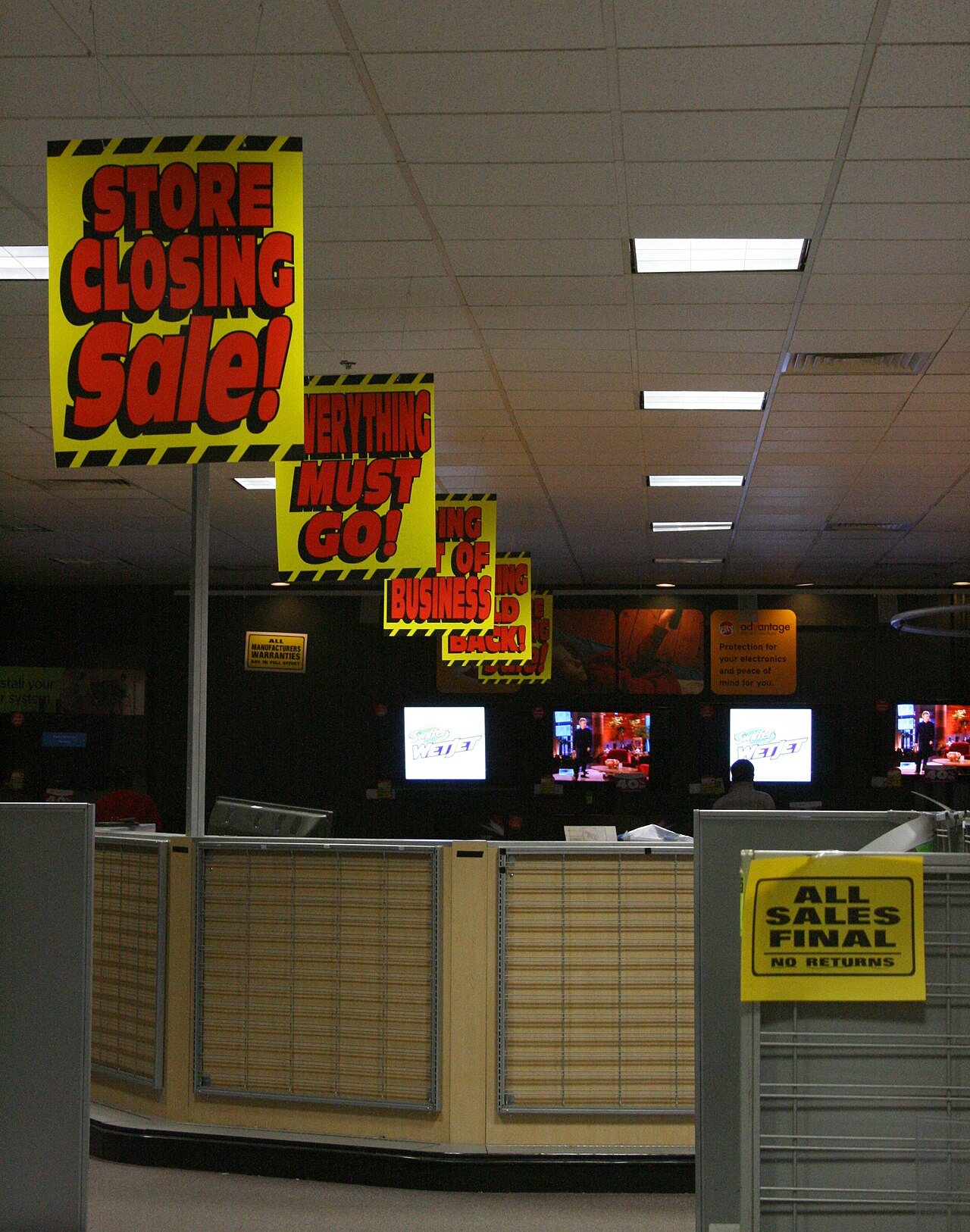
On June 16, 1999, Digital Video Express announced it was shutting down. Richard Sharp, chairman and chief executive of Digital Video Express and Circuit City Stores, said that year: "Unfortunately, we have been unable to obtain adequate support from studios and other retailers." He added that "we cannot create a viable business without support in these essential areas."
Is DIVX still around in 2026?
No. DIVX has now been dead far longer than it was alive. The format reached test stores in June 1998, stopped being sold on June 16, 1999, and the last day any DIVX disc could be authorized was June 30, 2001. Digital Video Express gave registered owners those two years of grace, then switched the authorization servers off for good.
That shutdown is why a DIVX disc in 2026 is a piece of plastic rather than a film. There is no offline mode and no unlock, because playback permission never lived on the disc. It lived on a server that no longer exists, and a DIVX Silver disc bought for unlimited viewing expired on the same date as every other one. Digital Video Express also paid a $100 rebate to customers who had bought a player before the shutdown.
The hardware had a softer landing. A DIVX machine was a DVD player with extra circuitry, so it kept playing ordinary discs long after the service behind it closed.
Where to find one today
DIVX discs and player boxes now change hands as artifacts rather than media, and honest sellers describe them that way, since nothing on a disc will play. A title that cost $4.49 new in 1998 is worth whatever a collector will pay for an object that documents a failed format, and prices follow curiosity rather than content. Listings turn up under DIVX and Digital Video Express on Etsy.
What did the DIVX failure cost Circuit City?
The reported number is $114 million. That is the after-tax charge Circuit City recorded on the disposal of the DIVX business, and its Form 10-K described the provision as covering "commitments under licensing agreements with motion picture distributors, the write-down of assets to net realizable value, lease termination cost, employee severance and benefit cost".
Counting the money sunk into the venture before the shutdown, Variety put the ultimate loss to Circuit City at $337 million in 1999. That is an estimate rather than a filed figure, and it is the number most later accounts repeat.
Open DVD took the whole market, and rental moved on without a special disc, first to DVD by mail and then to streaming. The industry had settled formats this way before and would do it again, with Betamax against VHS in the 1980s and later with HD DVD against Blu-ray.
The strangest afterlife belongs to the name. Jerome Rota called his video codec DivX as a deliberate dig at Circuit City's format, complete with a winking emoticon, and the codec outlived the thing it mocked by decades.
Frequently Asked Questions
Do DIVX discs still work in 2026?
No DIVX disc has played since June 30, 2001, when Digital Video Express switched off the authorization servers that granted playback permission. Because that permission was never stored on the disc, DIVX discs cannot be revived, and the ones sold in 2026 are collectors' artifacts rather than watchable movies.
What was DIVX and why did it fail?
DIVX was a pay-per-view disc format launched in 1998 by Digital Video Express, a venture in which Circuit City held about two-thirds of the equity. A disc cost about $4.49 and played for 48 hours before charging again. It failed because Sony, Toshiba and Warner Home Video opposed it and rival retailers would not stock it, and Digital Video Express shut it down on June 16, 1999.
Is the DivX codec the same thing as Circuit City's DIVX?
They are unrelated. Circuit City's DIVX was a physical disc format that ran from 1998 to 1999 and stopped working entirely in 2001. The DivX video codec was written separately by Jerome Rota, who named it after the failed disc format as a joke, and it remained in use long after Digital Video Express closed in 1999.