What Happened to Winamp? The Definitive History of the MP3 Player That Whipped the Llama's Ass

2026-03-24 by 404 Memory Found

If you used a computer between 1997 and 2005, there's about a 90% chance you heard those five iconic words at least once: "Winamp, it really whips the llama's ass." That bizarre, oddly aggressive tagline launched alongside the most important piece of software in the MP3 revolution — a tiny, skinnable media player that turned every Windows PC into a jukebox and changed how an entire generation consumed music. By the year 2001, over 60 million people had Winamp installed. And then, slowly, it vanished from the cultural conversation. So what happened to Winamp? How did the most popular MP3 player on Earth go from defining digital music to becoming a nostalgic footnote? The answer involves a teenage dropout, an $80 million acquisition, corporate sabotage, and one of the most stubborn software communities in internet history.

The Origins: A Teenager, a Desert Town, and an MP3 Engine

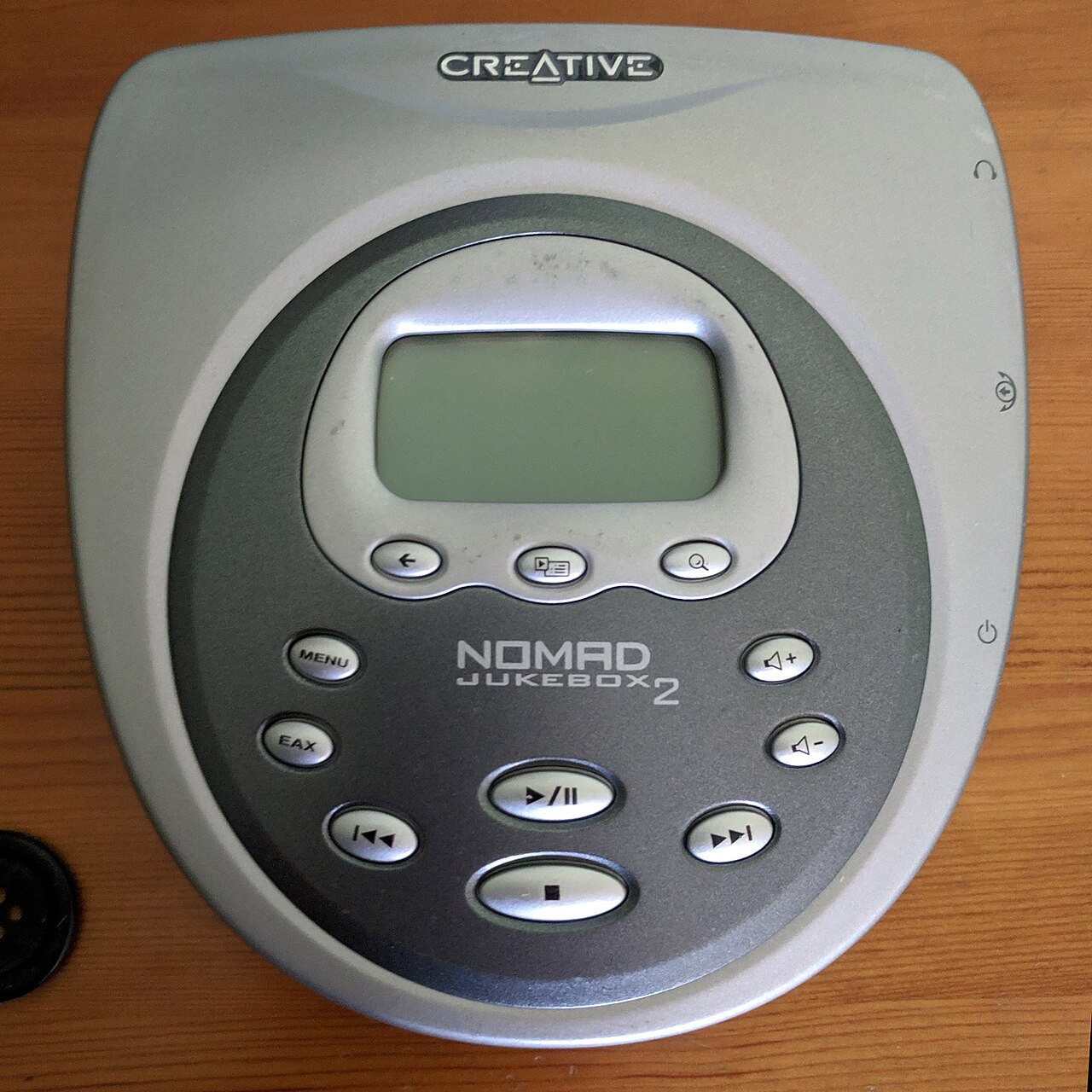
Creative Nomad Jukebox, a portable MP3 player from the Winamp era

Winamp's story starts with Justin Frankel, a programmer from Sedona, Arizona, who dropped out of college because he'd rather write code than attend lectures. In 1997, at just 18 years old, Frankel took an existing MP3 playback engine called AMP (Advanced Multimedia Products) and built a Windows graphical interface around it. The result was Winamp — literally "Windows AMP." He co-developed it with Dmitry Boldyrev under their tiny company, Nullsoft.

To understand why this mattered, you need to remember what playing music on a computer was like in 1997. There was basically WinPlay3, released in 1995, which was the first real-time MP3 player for Windows — but it was clunky, bare-bones, and felt like a science experiment more than a consumer product. MP3 files existed, but there was no elegant way to play them. Winamp changed that overnight. It was small (under 1MB), fast, and actually looked cool. The interface mimicked a physical stereo receiver, complete with an equalizer, playlist window, and volume slider. It just felt right.

Version 1.0 spread through the internet like wildfire. Within months, Winamp had been downloaded over 3 million times — entirely through word of mouth and shareware download sites like Tucows and Download.com. There was no marketing budget. There was no venture capital. Just a great product at exactly the right time.

Winamp 2: The Version That Conquered the World

On September 8, 1998, Nullsoft released Winamp 2.0, and it was a quantum leap. The new version introduced a proper plug-in architecture, better playlist management, a more accurate equalizer, and — most importantly — skinning support. Users could completely change how Winamp looked by downloading custom skins, and an entire community exploded around creating them. Anime skins, movie skins, car skins, abstract art skins — if you could imagine it, someone made a Winamp skin for it.

The timing was perfect. By late 1998, MP3 file-sharing was exploding. Napster wouldn't launch until June 1999, but IRC channels, FTP servers, and early peer-to-peer networks were already awash in MP3 files. Every single one of those millions of music files needed a player, and Winamp was the player. By 1999, Winamp had been downloaded 15 million times. By 2000, it had 25 million registered users. By 2001, that number hit 60 million.

Winamp wasn't just software — it was identity. Your Winamp skin said something about you, the same way your desktop wallpaper or AIM away message did. The visualization plugins (remember Milkdrop?) turned your screen into a psychedelic light show synced to your music. Plug-ins let you stream internet radio, rip CDs, and even output to external hardware. It was a platform, not just a player.

The Llama That Launched a Thousand Downloads

And then there was that tagline. "Winamp, it really whips the llama's ass" came from an unlikely source: Wesley Willis, a Chicago outsider musician known for his abrasive, repetitive songs and unique vocal style. The phrase was adapted from Willis's song "Whip the Llama's Ass," and Frankel included a demo MP3 file with the Winamp installer starting with Version 1.91 in April 1998. It was weird, it was funny, and it became one of the most iconic audio clips in software history. The llama became Nullsoft's unofficial mascot, appearing in skins, splash screens, and community art for decades.

The AOL Acquisition: $80 Million and the Beginning of the End

In June 1999, AOL purchased Nullsoft for approximately $80 million in stock — part of a larger deal that also included the acquisition of Spinner.com, an internet radio service. The combined purchase was worth around $400 million. Frankel's personal stake — 522,661 shares — was valued at roughly $59 million. Not bad for a 20-year-old college dropout from Arizona.

At first, the acquisition seemed like a win. Nullsoft got resources, AOL got the most popular media player on the internet. But the cultural clash was immediate and brutal. Frankel was a hacker-ethos coder who believed in free software, open protocols, and doing things because they were technically interesting. AOL was a massive corporation obsessed with walled gardens, subscriber counts, and top-down control. These two worldviews were fundamentally incompatible.

The tension showed up publicly in spectacular fashion. In 2003, Frankel and his team secretly developed and briefly released WASTE, a decentralized, encrypted peer-to-peer file sharing application. AOL shut it down within hours — a company profiting from internet subscriptions could not be seen releasing piracy tools. Then there was Gnutella, which Nullsoft had released back in 2000 — one of the most important P2P protocols in internet history — and which AOL also tried desperately to distance itself from. Frankel was basically building tools that threatened AOL's business model while collecting an AOL paycheck. It was glorious, chaotic, and unsustainable.

Winamp 3: The Rewrite Nobody Asked For

While the corporate drama played out, AOL made the classic big-company mistake: they decided Winamp needed a complete rewrite. Winamp 3 (sometimes written as Winamp3) launched in 2002, built on an entirely new codebase called Wasabi. It was supposed to be modern, extensible, and cross-platform. It was also bloated, slow, and buggy. Skins from Winamp 2 didn't work. Plug-ins from Winamp 2 didn't work. The lightweight player that people loved had become an overengineered mess that crashed constantly.

The backlash was swift and brutal. Users refused to upgrade. Winamp 2 downloads actually increased as people actively sought out the old version. It was one of the earliest examples of the "if it ain't broke, don't fix it" rebellion that would later repeat with Windows Vista, Digg v4, and countless other botched relaunches.

Winamp 5: The Comeback That Almost Worked

In a rare moment of corporate humility, Nullsoft responded to the Winamp 3 disaster by releasing Winamp 5 in December 2003. Why 5 and not 4? Because, as the team joked, "nobody wants to release Winamp 4" (Winamp 4 = WinampFore = no one). The real reason was that Winamp 5 merged the best of both versions — the Winamp 2 classic interface and engine with select Winamp 3 features like modern skinning and the media library. The tagline: "The best of both worlds: Winamp 2 + Winamp 3 = Winamp 5."

It worked. Winamp 5 was fast, stable, and familiar. Version 5.5 in 2007 added portable device syncing and better video support. For existing Winamp users, it was a relief. But the damage had been done. During the Winamp 3 era, many users had migrated to alternatives — iTunes (which launched in 2001 and became essential with the iPod), foobar2000 (created by a former Winamp plug-in developer), and Windows Media Player (which came pre-installed on every Windows PC). The MP3 player market had fragmented, and Winamp had lost its dominant position.

Justin Frankel Walks Away

On January 22, 2004, Justin Frankel announced his resignation from AOL on his blog. He'd stayed for five years — far longer than most founders survive inside an acquiring company. After leaving, Frankel went on to create REAPER, a digital audio workstation that became popular with musicians and podcasters. It was very much a return to his roots: small, efficient, endlessly customizable software built by a small team that actually cared about the product.

The Dark Years: 2004–2013

Without Frankel, Winamp entered a slow decline. AOL continued releasing updates, but the passion was gone. The team was small, the budgets were shrinking, and the market had fundamentally shifted. By 2010, most people were either using iTunes with their iPods, streaming through early services like Pandora and Spotify (which launched in 2008), or using whatever came with their operating system. The idea of manually managing a library of MP3 files was starting to feel... dated.

The last AOL-developed version was Winamp 5.666 (yes, really), also known as "Build 3516," released on September 12, 2013. On November 20, 2013, AOL announced that Winamp would be shut down and would no longer be available for download, effective December 20, 2013. After 15 years, the llama had finally been retired. The TechCrunch headline said it all: "After 15 Years Of Whipping The Llama's Ass, Winamp Shuts Down."

The internet mourned. Not because everyone was still using Winamp — most people weren't — but because Winamp represented something. It represented a time when software was made by passionate individuals, not product teams at megacorporations. It represented an internet that was weird, customizable, personal, and free.

Resurrection: Radionomy and the Winamp That Won't Die

But the story didn't end there. Just weeks before the planned shutdown, Radionomy, a Belgian internet radio company, acquired both Winamp and the Shoutcast streaming platform from AOL. The terms were never officially disclosed, but reports suggested the price was around $5 million to $10 million — a tiny fraction of the $80 million AOL had originally paid for Nullsoft.

Radionomy (later rebranded as the Winamp Group) spent years promising a grand relaunch. A leaked version, Winamp 5.8, appeared online in 2018 before its official release. It was mostly a compatibility update — making the classic player work properly on modern Windows versions. Then came Winamp 5.9, released in stages between 2022 and 2023, which modernized the codebase further while keeping the classic interface intact. Version 5.9.2, released on April 26, 2023, was the most recent stable release.

In a surprising twist, the Winamp Group also announced plans to release Winamp as open-source software, though the execution was controversial — the initial license included restrictions that didn't align with traditional open-source definitions, leading to community backlash and revisions. The saga continues.

Winamp Then vs. Now: A World Apart

The contrast between Winamp's era and today's music landscape is staggering:

1999: You'd spend 45 minutes downloading a single 3.5MB MP3 file over a 56k modem, carefully organizing it into folders like "Music > Rock > Nirvana > Nevermind," then firing up Winamp with your custom anime skin to listen. You had maybe 200 songs on your hard drive, and you knew every single one by heart.

2026: You open Spotify, Apple Music, or YouTube Music and instantly access over 100 million songs. An algorithm suggests what you should listen to. You don't own any of the music. You probably can't name 200 songs in your library. The music is everywhere and nowhere at the same time.

Winamp existed in the sweet spot between physical media and streaming — the brief era when you actually owned digital music files and curated your collection like a personal museum. The equalizer presets, the visualization plugins, the obsessive folder organization — it was all part of a relationship with music that streaming has largely replaced.

The numbers tell the story: in 2001, Winamp had 60 million active users playing locally stored files. Today, Spotify alone has over 640 million monthly active users streaming from the cloud. The paradigm didn't just shift — it was replaced entirely.

Winamp's Lasting Legacy

Even if Winamp never regains mainstream relevance, its fingerprints are everywhere. The plug-in ecosystem it popularized became standard for media players and even web browsers. The concept of skinnable software influenced everything from media players to desktop environments. Shoutcast, Nullsoft's internet radio protocol, powered thousands of online radio stations and directly influenced how streaming audio works today. And Justin Frankel's post-Nullsoft creation, REAPER, carries the same philosophy — powerful, lightweight, and built for people who actually care about their tools.

The Winamp community itself is remarkably persistent. Skin archives are still maintained. Forums are still active. People still use Winamp daily to play their local music collections, FLAC files, and internet radio streams. In a world of subscription services and algorithmic recommendations, there's something almost revolutionary about manually choosing exactly what you want to listen to, in a player you've customized to look exactly how you want it to look.

Blockbuster Video store, representing the era of physical media that Winamp helped disrupt

Frequently Asked Questions

Is Winamp still available to download in 2026?

Yes, Winamp is still available. The Winamp Group (formerly Radionomy) maintains the official website and offers Winamp 5.9 for download. The player works on modern Windows systems including Windows 10 and 11. There have also been discussions about open-sourcing the code, though the licensing terms have been debated within the community. Winamp remains a fully functional media player for local files, internet radio via Shoutcast, and podcast playback.

Why did AOL buy Winamp for $80 million and then let it die?

AOL acquired Nullsoft in 1999 as part of a larger $400 million deal that included Spinner.com. The purchase made sense at the time — Winamp had tens of millions of users and AOL wanted to dominate digital media. However, AOL's corporate culture clashed badly with Nullsoft's hacker ethos. The disastrous Winamp 3 rewrite, founder Justin Frankel's public rebellions (releasing Gnutella and WASTE), and AOL's failure to adapt to the iPod/iTunes revolution all contributed to Winamp's decline under AOL ownership. By 2013, AOL shut it down. The pattern — big company buys beloved software, strips it of what made it special — is one of tech's most repeated tragedies.

What does "it really whips the llama's ass" mean?

Winamp's iconic tagline was inspired by outsider musician Wesley Willis's song "Whip the Llama's Ass." Justin Frankel included a demo MP3 file with the phrase in the Winamp installer starting with version 1.91 in April 1998. Willis was known for his unconventional, repetitive songwriting style, and the phrase perfectly captured Winamp's irreverent, counterculture attitude. The llama became Nullsoft's unofficial mascot and appeared throughout Winamp's visual identity for decades. It was weird, it was memorable, and it perfectly represented the internet culture of the late 1990s.

What did the creator of Winamp do after leaving AOL?

Justin Frankel resigned from AOL on January 22, 2004. He went on to create REAPER (Rapid Environment for Audio Production, Editing, and Recording), a professional-grade digital audio workstation that launched in 2005. REAPER follows the same philosophy as early Winamp — it's lightweight, fast, endlessly customizable, and offered at a fair price ($60 for a personal license). It has become a favorite among musicians, podcasters, and audio engineers. Frankel also continued contributing to open-source projects, staying true to the independent developer ethos that made Winamp great in the first place.

Related Posts:
← Back to Blog

What Happened to Winamp? The Definitive History of the MP3 Player That Whipped the Llama's Ass | 404 Memory Found

📖 What Happened to Winamp? The Definitive History of the MP3 Player That Whipped the Llama's Ass

If you used a computer between 1997 and 2005, there's about a 90% chance you heard those five iconic words at least once: "Winamp, it really whips the llama's ass." That bizarre, oddly aggressive tagline launched alongside the most important piece of software in the MP3 revolution — a tiny, skinnable media player that turned every Windows PC into a jukebox and changed how an entire generation consumed music. By the year 2001, over 60 million people had Winamp installed. And then, slowly, it vanished from the cultural conversation. So what happened to Winamp? How did the most popular MP3 player on Earth go from defining digital music to becoming a nostalgic footnote? The answer involves a teenage dropout, an $80 million acquisition, corporate sabotage, and one of the most stubborn software communities in internet history.

The Origins: A Teenager, a Desert Town, and an MP3 Engine

Creative Nomad Jukebox, a portable MP3 player from the Winamp era

Winamp's story starts with Justin Frankel, a programmer from Sedona, Arizona, who dropped out of college because he'd rather write code than attend lectures. In 1997, at just 18 years old, Frankel took an existing MP3 playback engine called AMP (Advanced Multimedia Products) and built a Windows graphical interface around it. The result was Winamp — literally "Windows AMP." He co-developed it with Dmitry Boldyrev under their tiny company, Nullsoft.

To understand why this mattered, you need to remember what playing music on a computer was like in 1997. There was basically WinPlay3, released in 1995, which was the first real-time MP3 player for Windows — but it was clunky, bare-bones, and felt like a science experiment more than a consumer product. MP3 files existed, but there was no elegant way to play them. Winamp changed that overnight. It was small (under 1MB), fast, and actually looked cool. The interface mimicked a physical stereo receiver, complete with an equalizer, playlist window, and volume slider. It just felt right.

Version 1.0 spread through the internet like wildfire. Within months, Winamp had been downloaded over 3 million times — entirely through word of mouth and shareware download sites like Tucows and Download.com. There was no marketing budget. There was no venture capital. Just a great product at exactly the right time.

Winamp 2: The Version That Conquered the World

On September 8, 1998, Nullsoft released Winamp 2.0, and it was a quantum leap. The new version introduced a proper plug-in architecture, better playlist management, a more accurate equalizer, and — most importantly — skinning support. Users could completely change how Winamp looked by downloading custom skins, and an entire community exploded around creating them. Anime skins, movie skins, car skins, abstract art skins — if you could imagine it, someone made a Winamp skin for it.

The timing was perfect. By late 1998, MP3 file-sharing was exploding. Napster wouldn't launch until June 1999, but IRC channels, FTP servers, and early peer-to-peer networks were already awash in MP3 files. Every single one of those millions of music files needed a player, and Winamp was the player. By 1999, Winamp had been downloaded 15 million times. By 2000, it had 25 million registered users. By 2001, that number hit 60 million.

Winamp wasn't just software — it was identity. Your Winamp skin said something about you, the same way your desktop wallpaper or AIM away message did. The visualization plugins (remember Milkdrop?) turned your screen into a psychedelic light show synced to your music. Plug-ins let you stream internet radio, rip CDs, and even output to external hardware. It was a platform, not just a player.

The Llama That Launched a Thousand Downloads

And then there was that tagline. "Winamp, it really whips the llama's ass" came from an unlikely source: Wesley Willis, a Chicago outsider musician known for his abrasive, repetitive songs and unique vocal style. The phrase was adapted from Willis's song "Whip the Llama's Ass," and Frankel included a demo MP3 file with the Winamp installer starting with Version 1.91 in April 1998. It was weird, it was funny, and it became one of the most iconic audio clips in software history. The llama became Nullsoft's unofficial mascot, appearing in skins, splash screens, and community art for decades.

The AOL Acquisition: $80 Million and the Beginning of the End

In June 1999, AOL purchased Nullsoft for approximately $80 million in stock — part of a larger deal that also included the acquisition of Spinner.com, an internet radio service. The combined purchase was worth around $400 million. Frankel's personal stake — 522,661 shares — was valued at roughly $59 million. Not bad for a 20-year-old college dropout from Arizona.

At first, the acquisition seemed like a win. Nullsoft got resources, AOL got the most popular media player on the internet. But the cultural clash was immediate and brutal. Frankel was a hacker-ethos coder who believed in free software, open protocols, and doing things because they were technically interesting. AOL was a massive corporation obsessed with walled gardens, subscriber counts, and top-down control. These two worldviews were fundamentally incompatible.

The tension showed up publicly in spectacular fashion. In 2003, Frankel and his team secretly developed and briefly released WASTE, a decentralized, encrypted peer-to-peer file sharing application. AOL shut it down within hours — a company profiting from internet subscriptions could not be seen releasing piracy tools. Then there was Gnutella, which Nullsoft had released back in 2000 — one of the most important P2P protocols in internet history — and which AOL also tried desperately to distance itself from. Frankel was basically building tools that threatened AOL's business model while collecting an AOL paycheck. It was glorious, chaotic, and unsustainable.

Winamp 3: The Rewrite Nobody Asked For

While the corporate drama played out, AOL made the classic big-company mistake: they decided Winamp needed a complete rewrite. Winamp 3 (sometimes written as Winamp3) launched in 2002, built on an entirely new codebase called Wasabi. It was supposed to be modern, extensible, and cross-platform. It was also bloated, slow, and buggy. Skins from Winamp 2 didn't work. Plug-ins from Winamp 2 didn't work. The lightweight player that people loved had become an overengineered mess that crashed constantly.

The backlash was swift and brutal. Users refused to upgrade. Winamp 2 downloads actually increased as people actively sought out the old version. It was one of the earliest examples of the "if it ain't broke, don't fix it" rebellion that would later repeat with Windows Vista, Digg v4, and countless other botched relaunches.

Winamp 5: The Comeback That Almost Worked

In a rare moment of corporate humility, Nullsoft responded to the Winamp 3 disaster by releasing Winamp 5 in December 2003. Why 5 and not 4? Because, as the team joked, "nobody wants to release Winamp 4" (Winamp 4 = WinampFore = no one). The real reason was that Winamp 5 merged the best of both versions — the Winamp 2 classic interface and engine with select Winamp 3 features like modern skinning and the media library. The tagline: "The best of both worlds: Winamp 2 + Winamp 3 = Winamp 5."

It worked. Winamp 5 was fast, stable, and familiar. Version 5.5 in 2007 added portable device syncing and better video support. For existing Winamp users, it was a relief. But the damage had been done. During the Winamp 3 era, many users had migrated to alternatives — iTunes (which launched in 2001 and became essential with the iPod), foobar2000 (created by a former Winamp plug-in developer), and Windows Media Player (which came pre-installed on every Windows PC). The MP3 player market had fragmented, and Winamp had lost its dominant position.

Justin Frankel Walks Away

On January 22, 2004, Justin Frankel announced his resignation from AOL on his blog. He'd stayed for five years — far longer than most founders survive inside an acquiring company. After leaving, Frankel went on to create REAPER, a digital audio workstation that became popular with musicians and podcasters. It was very much a return to his roots: small, efficient, endlessly customizable software built by a small team that actually cared about the product.

The Dark Years: 2004–2013

Without Frankel, Winamp entered a slow decline. AOL continued releasing updates, but the passion was gone. The team was small, the budgets were shrinking, and the market had fundamentally shifted. By 2010, most people were either using iTunes with their iPods, streaming through early services like Pandora and Spotify (which launched in 2008), or using whatever came with their operating system. The idea of manually managing a library of MP3 files was starting to feel... dated.

The last AOL-developed version was Winamp 5.666 (yes, really), also known as "Build 3516," released on September 12, 2013. On November 20, 2013, AOL announced that Winamp would be shut down and would no longer be available for download, effective December 20, 2013. After 15 years, the llama had finally been retired. The TechCrunch headline said it all: "After 15 Years Of Whipping The Llama's Ass, Winamp Shuts Down."

The internet mourned. Not because everyone was still using Winamp — most people weren't — but because Winamp represented something. It represented a time when software was made by passionate individuals, not product teams at megacorporations. It represented an internet that was weird, customizable, personal, and free.

Resurrection: Radionomy and the Winamp That Won't Die

But the story didn't end there. Just weeks before the planned shutdown, Radionomy, a Belgian internet radio company, acquired both Winamp and the Shoutcast streaming platform from AOL. The terms were never officially disclosed, but reports suggested the price was around $5 million to $10 million — a tiny fraction of the $80 million AOL had originally paid for Nullsoft.

Radionomy (later rebranded as the Winamp Group) spent years promising a grand relaunch. A leaked version, Winamp 5.8, appeared online in 2018 before its official release. It was mostly a compatibility update — making the classic player work properly on modern Windows versions. Then came Winamp 5.9, released in stages between 2022 and 2023, which modernized the codebase further while keeping the classic interface intact. Version 5.9.2, released on April 26, 2023, was the most recent stable release.

In a surprising twist, the Winamp Group also announced plans to release Winamp as open-source software, though the execution was controversial — the initial license included restrictions that didn't align with traditional open-source definitions, leading to community backlash and revisions. The saga continues.

Winamp Then vs. Now: A World Apart

The contrast between Winamp's era and today's music landscape is staggering:

1999: You'd spend 45 minutes downloading a single 3.5MB MP3 file over a 56k modem, carefully organizing it into folders like "Music > Rock > Nirvana > Nevermind," then firing up Winamp with your custom anime skin to listen. You had maybe 200 songs on your hard drive, and you knew every single one by heart.

2026: You open Spotify, Apple Music, or YouTube Music and instantly access over 100 million songs. An algorithm suggests what you should listen to. You don't own any of the music. You probably can't name 200 songs in your library. The music is everywhere and nowhere at the same time.

Winamp existed in the sweet spot between physical media and streaming — the brief era when you actually owned digital music files and curated your collection like a personal museum. The equalizer presets, the visualization plugins, the obsessive folder organization — it was all part of a relationship with music that streaming has largely replaced.

The numbers tell the story: in 2001, Winamp had 60 million active users playing locally stored files. Today, Spotify alone has over 640 million monthly active users streaming from the cloud. The paradigm didn't just shift — it was replaced entirely.

Winamp's Lasting Legacy

Even if Winamp never regains mainstream relevance, its fingerprints are everywhere. The plug-in ecosystem it popularized became standard for media players and even web browsers. The concept of skinnable software influenced everything from media players to desktop environments. Shoutcast, Nullsoft's internet radio protocol, powered thousands of online radio stations and directly influenced how streaming audio works today. And Justin Frankel's post-Nullsoft creation, REAPER, carries the same philosophy — powerful, lightweight, and built for people who actually care about their tools.

The Winamp community itself is remarkably persistent. Skin archives are still maintained. Forums are still active. People still use Winamp daily to play their local music collections, FLAC files, and internet radio streams. In a world of subscription services and algorithmic recommendations, there's something almost revolutionary about manually choosing exactly what you want to listen to, in a player you've customized to look exactly how you want it to look.

Blockbuster Video store, representing the era of physical media that Winamp helped disrupt

Frequently Asked Questions

Is Winamp still available to download in 2026?

Yes, Winamp is still available. The Winamp Group (formerly Radionomy) maintains the official website and offers Winamp 5.9 for download. The player works on modern Windows systems including Windows 10 and 11. There have also been discussions about open-sourcing the code, though the licensing terms have been debated within the community. Winamp remains a fully functional media player for local files, internet radio via Shoutcast, and podcast playback.

Why did AOL buy Winamp for $80 million and then let it die?

AOL acquired Nullsoft in 1999 as part of a larger $400 million deal that included Spinner.com. The purchase made sense at the time — Winamp had tens of millions of users and AOL wanted to dominate digital media. However, AOL's corporate culture clashed badly with Nullsoft's hacker ethos. The disastrous Winamp 3 rewrite, founder Justin Frankel's public rebellions (releasing Gnutella and WASTE), and AOL's failure to adapt to the iPod/iTunes revolution all contributed to Winamp's decline under AOL ownership. By 2013, AOL shut it down. The pattern — big company buys beloved software, strips it of what made it special — is one of tech's most repeated tragedies.

What does "it really whips the llama's ass" mean?

Winamp's iconic tagline was inspired by outsider musician Wesley Willis's song "Whip the Llama's Ass." Justin Frankel included a demo MP3 file with the phrase in the Winamp installer starting with version 1.91 in April 1998. Willis was known for his unconventional, repetitive songwriting style, and the phrase perfectly captured Winamp's irreverent, counterculture attitude. The llama became Nullsoft's unofficial mascot and appeared throughout Winamp's visual identity for decades. It was weird, it was memorable, and it perfectly represented the internet culture of the late 1990s.

What did the creator of Winamp do after leaving AOL?

Justin Frankel resigned from AOL on January 22, 2004. He went on to create REAPER (Rapid Environment for Audio Production, Editing, and Recording), a professional-grade digital audio workstation that launched in 2005. REAPER follows the same philosophy as early Winamp — it's lightweight, fast, endlessly customizable, and offered at a fair price ($60 for a personal license). It has become a favorite among musicians, podcasters, and audio engineers. Frankel also continued contributing to open-source projects, staying true to the independent developer ethos that made Winamp great in the first place.

← Back to Blog
00:00