What Happened to LimeWire? The Wild Story of Free Music

2026-03-27 by 404 Memory Found

LimeWire: The Green Frog That Terrorized the Music Industry

If you had a computer between 2000 and 2010, there's a very good chance you committed a federal crime on it. And there's an even better chance that the little green frog icon of LimeWire was your accomplice. LimeWire was the file-sharing program that let millions of people download virtually any song, album, movie, or software for free — and in the process, it became one of the most controversial and culturally significant pieces of software ever created.

At its peak, LimeWire was installed on over 50 million computers worldwide. It was the go-to source for free music in the 2000s, and it fundamentally changed how an entire generation thought about digital media ownership. But it was also a legal nightmare, a malware minefield, and ultimately the target of a lawsuit so massive that the damages would have exceeded the GDP of most countries. This is what happened to LimeWire — the program that made free music feel like a human right.

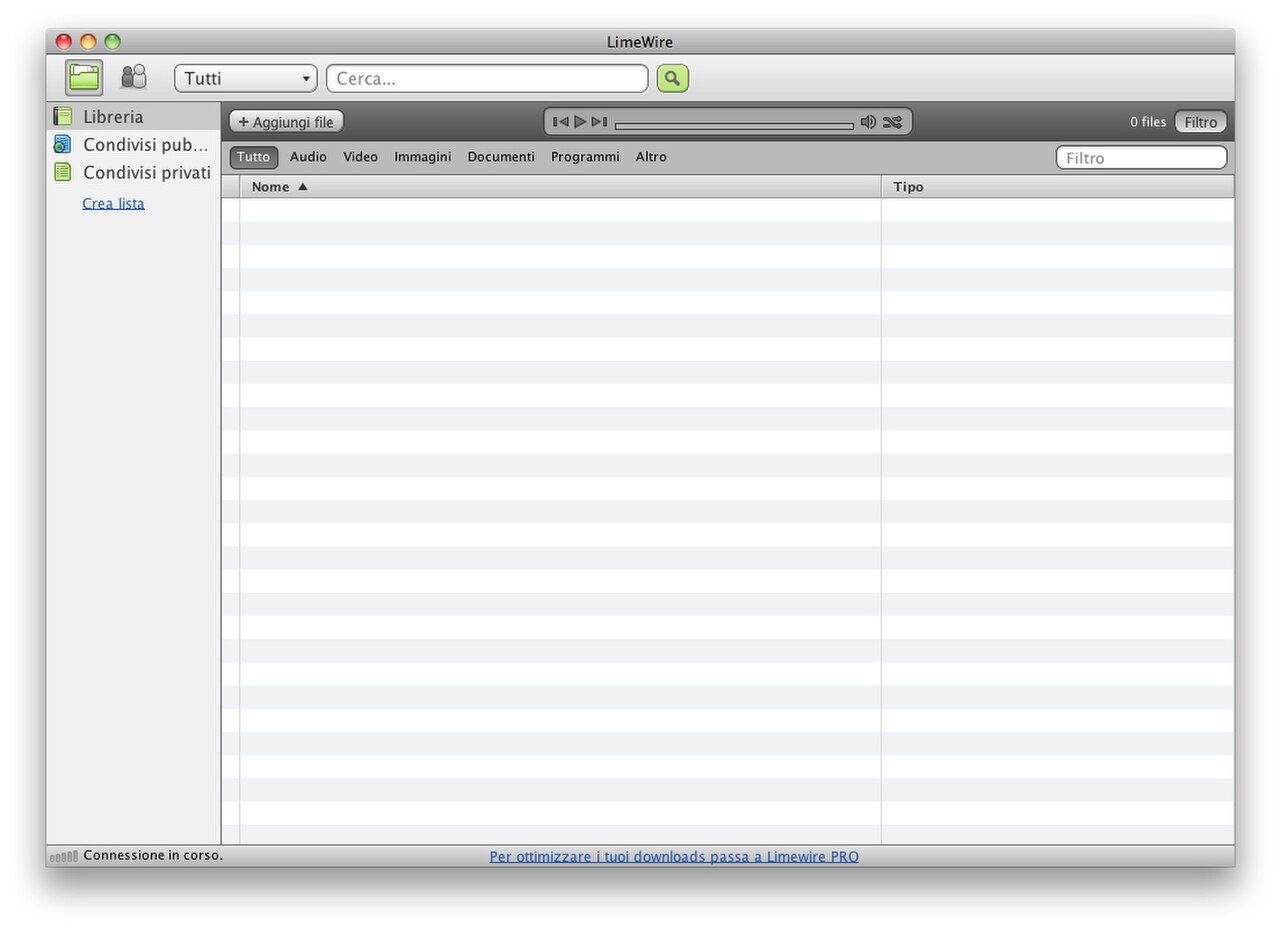
LimeWire software interface showing the file-sharing program millions used to download free music
The LimeWire interface — the P2P file-sharing app that terrified the music industry

How LimeWire Worked (And Why Everyone Used It)

LimeWire launched in 2000, created by Mark Gorton, a Wall Street trader turned tech entrepreneur. It was built on the Gnutella peer-to-peer (P2P) network, which meant that instead of downloading files from a central server, you were downloading directly from other people's computers. There was no central library — every LimeWire user's shared folder became part of a massive, decentralized network of files.

The appeal was simple and devastating for the music industry: you could type in the name of literally any song, hit search, and download it for free. No subscription, no credit card, no DRM restrictions. Just click, wait a few minutes (or a few hours, depending on your internet speed), and the MP3 was yours. For a generation that grew up with $18 CDs at Best Buy, this felt like discovering a cheat code for life.

LimeWire wasn't the first P2P file-sharing program — Napster had pioneered the concept before being shut down in 2001 — but it was arguably the most popular and long-lived. After Napster's court-ordered shutdown, millions of users migrated to alternatives like LimeWire, Kazaa, and BearShare. LimeWire's clean interface, relatively fast downloads, and free basic version made it the Napster successor of choice for most people.

By 2005, a study found that LimeWire was installed on over one-third of all computers in the world. That's not a typo. One in three computers had LimeWire on it. The program was so ubiquitous that "limewiring" became a verb in many households, the same way "googling" replaced "searching." People would say "I'll LimeWire it" the way we'd say "I'll stream it" today.

The Dark Side of LimeWire: Viruses, Fake Files, and Chaos

For all the free music, LimeWire was genuinely dangerous to use. And not just legally — although downloading copyrighted content was absolutely illegal, something most users conveniently ignored. The real day-to-day danger was malware. LimeWire was essentially a superhighway for computer viruses, trojans, and spyware.

Here's the thing about P2P networks: anyone could share anything and name it anything. So you'd search for, say, "Eminem - Lose Yourself.mp3" and get twelve results. Maybe three of them were the actual song. Maybe two were low-quality recordings of someone playing the song on a kazoo. Maybe one was a completely different song mislabeled. And maybe four of them were executable files disguised as MP3s that would install a virus on your computer the moment you opened them.

The virus situation was so bad that downloading music from LimeWire became a kind of Russian roulette. You'd download what you thought was the new 50 Cent album, and suddenly your computer was running at 10% speed, pop-ups were appearing every three seconds, and your desktop background had been changed to an ad for discount pharmaceuticals. Entire family computers were destroyed by LimeWire downloads. IT professionals in the 2000s could probably attribute a solid percentage of their business to LimeWire-related malware.

Then there were the fake files — and this was actually a deliberate strategy by the music industry. Record labels hired companies to flood P2P networks with corrupted or fake versions of popular songs. You'd download what was supposed to be a hit single, and it would be thirty seconds of the song followed by a loud, distorted noise. Or it would be a recording of someone saying "downloading music is illegal." The RIAA and major labels spent millions on these "spoofing" campaigns to make the P2P experience as frustrating as possible.

And perhaps the most uncomfortable aspect of LimeWire's open file-sharing network was the presence of deeply illegal content. Because LimeWire searched every shared folder on a user's computer, and because there was essentially no moderation, the network was unfortunately used to distribute all manner of illicit material. This would later become a significant factor in the legal case against the company.

The Lawsuit That Killed LimeWire (And the Insane Damages)

The music industry had been fighting P2P file sharing since Napster, and LimeWire was always in the crosshairs. In 2006, the Recording Industry Association of America (RIAA) filed a lawsuit against Lime Group LLC, the company behind LimeWire, alleging massive copyright infringement.

The case — Arista Records LLC v. Lime Group LLC — dragged on for years, but in May 2010, a federal judge ruled that LimeWire had committed copyright infringement, induced copyright infringement, and engaged in unfair competition. The judge found that LimeWire's leadership was aware that the vast majority of files being shared were copyrighted and had done nothing meaningful to stop it.

On October 26, 2010, a federal court ordered LimeWire to disable its file-sharing functionality. The little green frog was officially dead. When users opened LimeWire after the injunction, they were greeted with a message stating the software had been disabled by court order.

But the truly wild part came during the damages phase of the trial. The RIAA initially sought statutory damages of $150,000 per infringed work — the maximum allowed under copyright law. They identified approximately 11,000 songs that had been shared on LimeWire. Multiply that by potentially millions of instances of sharing, and the theoretical damages reached into the trillions. At one point, the RIAA was seeking $72 trillion in damages — a number so large that the judge called it "absurd." For reference, the entire GDP of the United States at the time was about $14 trillion.

The case ultimately settled in May 2011 for $105 million — a tiny fraction of what was originally sought, but still a massive sum that effectively ended LimeWire for good. Mark Gorton reportedly paid the settlement personally.

LimeWire 2008 version screenshot showing the later evolution of the file-sharing software
LimeWire's later interface (2008) — just two years before it was shut down by court order

Then vs Now: From LimeWire to Spotify

The LimeWire era feels like a different universe compared to how we consume music today. In the 2000s, getting music digitally meant either paying $0.99 per song on iTunes (which felt outrageous when LimeWire was free) or taking your chances with file sharing. There was no middle ground.

Today, streaming services have essentially solved the problem that LimeWire exploited. Spotify, Apple Music, YouTube Music, and others offer unlimited access to virtually every song ever recorded for about $10-15 per month. The entire argument for piracy — "music is too expensive and too hard to access legally" — has been largely neutralized by streaming.

But here's the irony: the music industry's fight against LimeWire and P2P file sharing ultimately forced them to adapt in ways they never would have voluntarily. Without the piracy crisis of the 2000s, the music industry would have happily continued selling $18 CDs forever. Piracy forced them to embrace digital distribution, which eventually led to the streaming model that now generates billions in revenue. In a twisted way, LimeWire and its users dragged the music industry — kicking and screaming — into the modern era.

The economics tell an interesting story. In 2000, the global recorded music industry generated about $23.3 billion in revenue. By 2014, that had collapsed to $14.3 billion, largely due to piracy. But by 2023, revenue had recovered to over $28 billion, driven almost entirely by streaming subscriptions. The industry is now bigger than it was before Napster and LimeWire — it just took them 20 years and a complete business model reinvention to get there.

As for LimeWire itself, the brand was actually revived in 2022 as an NFT marketplace — a pivot that had absolutely nothing to do with file sharing and everything to do with capitalizing on name recognition. The NFT version of LimeWire has nothing in common with the original program except the name and the green frog logo. Whether or not it succeeds, it's a strange epilogue for software that once felt like the most important program on the internet.

The Cultural Legacy of LimeWire

Beyond the legal battles and industry disruption, LimeWire left a cultural mark that's hard to overstate. For an entire generation, it was the introduction to digital music. The ritual of searching, waiting, and organizing downloaded MP3s into carefully curated folders was a formative experience for millions of people. It was also many people's first encounter with the realities of internet security — nothing teaches you about computer viruses quite like watching your family's Dell Dimension die because you downloaded a suspicious file called "Linkin_Park_In_The_End_REAL.mp3.exe."

LimeWire also shaped the expectations of an entire generation regarding digital content. The idea that music should be free — or at least very cheap — became deeply ingrained. This expectation didn't go away when LimeWire died; it simply shifted to demands for affordable streaming, ad-supported free tiers, and YouTube as a de facto free music service. The music industry is still grappling with the philosophical shift that LimeWire helped catalyze: that in a digital world, copying is essentially free, and business models need to account for that reality.

Frequently Asked Questions

Is LimeWire illegal?

LimeWire itself was a legal piece of software — it was a file-sharing tool that could be used for legitimate purposes. However, the vast majority of files shared through LimeWire were copyrighted material (music, movies, software), and downloading or distributing copyrighted content without permission is illegal. In 2010, a federal court found that LimeWire's operators were liable for inducing copyright infringement and ordered the software disabled.

What replaced LimeWire after it shut down?

After LimeWire was shut down in 2010, users migrated to various alternatives: BitTorrent clients like uTorrent became the primary method for file sharing, while legal alternatives like Spotify (launched in the US in 2011), Apple Music, and other streaming services gradually replaced the need for piracy altogether. The shift from downloading individual files to streaming unlimited music for a monthly fee essentially made LimeWire-style piracy obsolete for most people.

How many people used LimeWire?

At its peak around 2005-2008, LimeWire was installed on an estimated 50 million computers worldwide. A 2005 study suggested it was present on approximately one-third of all computers globally. It was the most popular peer-to-peer file-sharing program after Napster's shutdown, and at one point accounted for over 50% of all P2P file-sharing traffic on the internet.

Can you still download LimeWire?

The original LimeWire file-sharing program has been permanently disabled since 2010 by federal court order. While the source code spawned an unauthorized fork called "LimeWire Pirate Edition" that circulated briefly, it is no longer maintained or safe to use. The LimeWire brand was revived in 2022 as an NFT and digital collectibles marketplace, but it has no file-sharing functionality and is an entirely different product.

Related Posts:
← Back to Blog

What Happened to LimeWire? The Wild Story of Free Music | 404 Memory Found

📖 What Happened to LimeWire? The Wild Story of Free Music

LimeWire: The Green Frog That Terrorized the Music Industry

If you had a computer between 2000 and 2010, there's a very good chance you committed a federal crime on it. And there's an even better chance that the little green frog icon of LimeWire was your accomplice. LimeWire was the file-sharing program that let millions of people download virtually any song, album, movie, or software for free — and in the process, it became one of the most controversial and culturally significant pieces of software ever created.

At its peak, LimeWire was installed on over 50 million computers worldwide. It was the go-to source for free music in the 2000s, and it fundamentally changed how an entire generation thought about digital media ownership. But it was also a legal nightmare, a malware minefield, and ultimately the target of a lawsuit so massive that the damages would have exceeded the GDP of most countries. This is what happened to LimeWire — the program that made free music feel like a human right.

LimeWire software interface showing the file-sharing program millions used to download free music
The LimeWire interface — the P2P file-sharing app that terrified the music industry

How LimeWire Worked (And Why Everyone Used It)

LimeWire launched in 2000, created by Mark Gorton, a Wall Street trader turned tech entrepreneur. It was built on the Gnutella peer-to-peer (P2P) network, which meant that instead of downloading files from a central server, you were downloading directly from other people's computers. There was no central library — every LimeWire user's shared folder became part of a massive, decentralized network of files.

The appeal was simple and devastating for the music industry: you could type in the name of literally any song, hit search, and download it for free. No subscription, no credit card, no DRM restrictions. Just click, wait a few minutes (or a few hours, depending on your internet speed), and the MP3 was yours. For a generation that grew up with $18 CDs at Best Buy, this felt like discovering a cheat code for life.

LimeWire wasn't the first P2P file-sharing program — Napster had pioneered the concept before being shut down in 2001 — but it was arguably the most popular and long-lived. After Napster's court-ordered shutdown, millions of users migrated to alternatives like LimeWire, Kazaa, and BearShare. LimeWire's clean interface, relatively fast downloads, and free basic version made it the Napster successor of choice for most people.

By 2005, a study found that LimeWire was installed on over one-third of all computers in the world. That's not a typo. One in three computers had LimeWire on it. The program was so ubiquitous that "limewiring" became a verb in many households, the same way "googling" replaced "searching." People would say "I'll LimeWire it" the way we'd say "I'll stream it" today.

The Dark Side of LimeWire: Viruses, Fake Files, and Chaos

For all the free music, LimeWire was genuinely dangerous to use. And not just legally — although downloading copyrighted content was absolutely illegal, something most users conveniently ignored. The real day-to-day danger was malware. LimeWire was essentially a superhighway for computer viruses, trojans, and spyware.

Here's the thing about P2P networks: anyone could share anything and name it anything. So you'd search for, say, "Eminem - Lose Yourself.mp3" and get twelve results. Maybe three of them were the actual song. Maybe two were low-quality recordings of someone playing the song on a kazoo. Maybe one was a completely different song mislabeled. And maybe four of them were executable files disguised as MP3s that would install a virus on your computer the moment you opened them.

The virus situation was so bad that downloading music from LimeWire became a kind of Russian roulette. You'd download what you thought was the new 50 Cent album, and suddenly your computer was running at 10% speed, pop-ups were appearing every three seconds, and your desktop background had been changed to an ad for discount pharmaceuticals. Entire family computers were destroyed by LimeWire downloads. IT professionals in the 2000s could probably attribute a solid percentage of their business to LimeWire-related malware.

Then there were the fake files — and this was actually a deliberate strategy by the music industry. Record labels hired companies to flood P2P networks with corrupted or fake versions of popular songs. You'd download what was supposed to be a hit single, and it would be thirty seconds of the song followed by a loud, distorted noise. Or it would be a recording of someone saying "downloading music is illegal." The RIAA and major labels spent millions on these "spoofing" campaigns to make the P2P experience as frustrating as possible.

And perhaps the most uncomfortable aspect of LimeWire's open file-sharing network was the presence of deeply illegal content. Because LimeWire searched every shared folder on a user's computer, and because there was essentially no moderation, the network was unfortunately used to distribute all manner of illicit material. This would later become a significant factor in the legal case against the company.

The Lawsuit That Killed LimeWire (And the Insane Damages)

The music industry had been fighting P2P file sharing since Napster, and LimeWire was always in the crosshairs. In 2006, the Recording Industry Association of America (RIAA) filed a lawsuit against Lime Group LLC, the company behind LimeWire, alleging massive copyright infringement.

The case — Arista Records LLC v. Lime Group LLC — dragged on for years, but in May 2010, a federal judge ruled that LimeWire had committed copyright infringement, induced copyright infringement, and engaged in unfair competition. The judge found that LimeWire's leadership was aware that the vast majority of files being shared were copyrighted and had done nothing meaningful to stop it.

On October 26, 2010, a federal court ordered LimeWire to disable its file-sharing functionality. The little green frog was officially dead. When users opened LimeWire after the injunction, they were greeted with a message stating the software had been disabled by court order.

But the truly wild part came during the damages phase of the trial. The RIAA initially sought statutory damages of $150,000 per infringed work — the maximum allowed under copyright law. They identified approximately 11,000 songs that had been shared on LimeWire. Multiply that by potentially millions of instances of sharing, and the theoretical damages reached into the trillions. At one point, the RIAA was seeking $72 trillion in damages — a number so large that the judge called it "absurd." For reference, the entire GDP of the United States at the time was about $14 trillion.

The case ultimately settled in May 2011 for $105 million — a tiny fraction of what was originally sought, but still a massive sum that effectively ended LimeWire for good. Mark Gorton reportedly paid the settlement personally.

LimeWire 2008 version screenshot showing the later evolution of the file-sharing software
LimeWire's later interface (2008) — just two years before it was shut down by court order

Then vs Now: From LimeWire to Spotify

The LimeWire era feels like a different universe compared to how we consume music today. In the 2000s, getting music digitally meant either paying $0.99 per song on iTunes (which felt outrageous when LimeWire was free) or taking your chances with file sharing. There was no middle ground.

Today, streaming services have essentially solved the problem that LimeWire exploited. Spotify, Apple Music, YouTube Music, and others offer unlimited access to virtually every song ever recorded for about $10-15 per month. The entire argument for piracy — "music is too expensive and too hard to access legally" — has been largely neutralized by streaming.

But here's the irony: the music industry's fight against LimeWire and P2P file sharing ultimately forced them to adapt in ways they never would have voluntarily. Without the piracy crisis of the 2000s, the music industry would have happily continued selling $18 CDs forever. Piracy forced them to embrace digital distribution, which eventually led to the streaming model that now generates billions in revenue. In a twisted way, LimeWire and its users dragged the music industry — kicking and screaming — into the modern era.

The economics tell an interesting story. In 2000, the global recorded music industry generated about $23.3 billion in revenue. By 2014, that had collapsed to $14.3 billion, largely due to piracy. But by 2023, revenue had recovered to over $28 billion, driven almost entirely by streaming subscriptions. The industry is now bigger than it was before Napster and LimeWire — it just took them 20 years and a complete business model reinvention to get there.

As for LimeWire itself, the brand was actually revived in 2022 as an NFT marketplace — a pivot that had absolutely nothing to do with file sharing and everything to do with capitalizing on name recognition. The NFT version of LimeWire has nothing in common with the original program except the name and the green frog logo. Whether or not it succeeds, it's a strange epilogue for software that once felt like the most important program on the internet.

The Cultural Legacy of LimeWire

Beyond the legal battles and industry disruption, LimeWire left a cultural mark that's hard to overstate. For an entire generation, it was the introduction to digital music. The ritual of searching, waiting, and organizing downloaded MP3s into carefully curated folders was a formative experience for millions of people. It was also many people's first encounter with the realities of internet security — nothing teaches you about computer viruses quite like watching your family's Dell Dimension die because you downloaded a suspicious file called "Linkin_Park_In_The_End_REAL.mp3.exe."

LimeWire also shaped the expectations of an entire generation regarding digital content. The idea that music should be free — or at least very cheap — became deeply ingrained. This expectation didn't go away when LimeWire died; it simply shifted to demands for affordable streaming, ad-supported free tiers, and YouTube as a de facto free music service. The music industry is still grappling with the philosophical shift that LimeWire helped catalyze: that in a digital world, copying is essentially free, and business models need to account for that reality.

Frequently Asked Questions

Is LimeWire illegal?

LimeWire itself was a legal piece of software — it was a file-sharing tool that could be used for legitimate purposes. However, the vast majority of files shared through LimeWire were copyrighted material (music, movies, software), and downloading or distributing copyrighted content without permission is illegal. In 2010, a federal court found that LimeWire's operators were liable for inducing copyright infringement and ordered the software disabled.

What replaced LimeWire after it shut down?

After LimeWire was shut down in 2010, users migrated to various alternatives: BitTorrent clients like uTorrent became the primary method for file sharing, while legal alternatives like Spotify (launched in the US in 2011), Apple Music, and other streaming services gradually replaced the need for piracy altogether. The shift from downloading individual files to streaming unlimited music for a monthly fee essentially made LimeWire-style piracy obsolete for most people.

How many people used LimeWire?

At its peak around 2005-2008, LimeWire was installed on an estimated 50 million computers worldwide. A 2005 study suggested it was present on approximately one-third of all computers globally. It was the most popular peer-to-peer file-sharing program after Napster's shutdown, and at one point accounted for over 50% of all P2P file-sharing traffic on the internet.

Can you still download LimeWire?

The original LimeWire file-sharing program has been permanently disabled since 2010 by federal court order. While the source code spawned an unauthorized fork called "LimeWire Pirate Edition" that circulated briefly, it is no longer maintained or safe to use. The LimeWire brand was revived in 2022 as an NFT and digital collectibles marketplace, but it has no file-sharing functionality and is an entirely different product.

← Back to Blog
00:00