What Happened to Tony Hawk's Pro Skater, the Game That Made Skating Cool

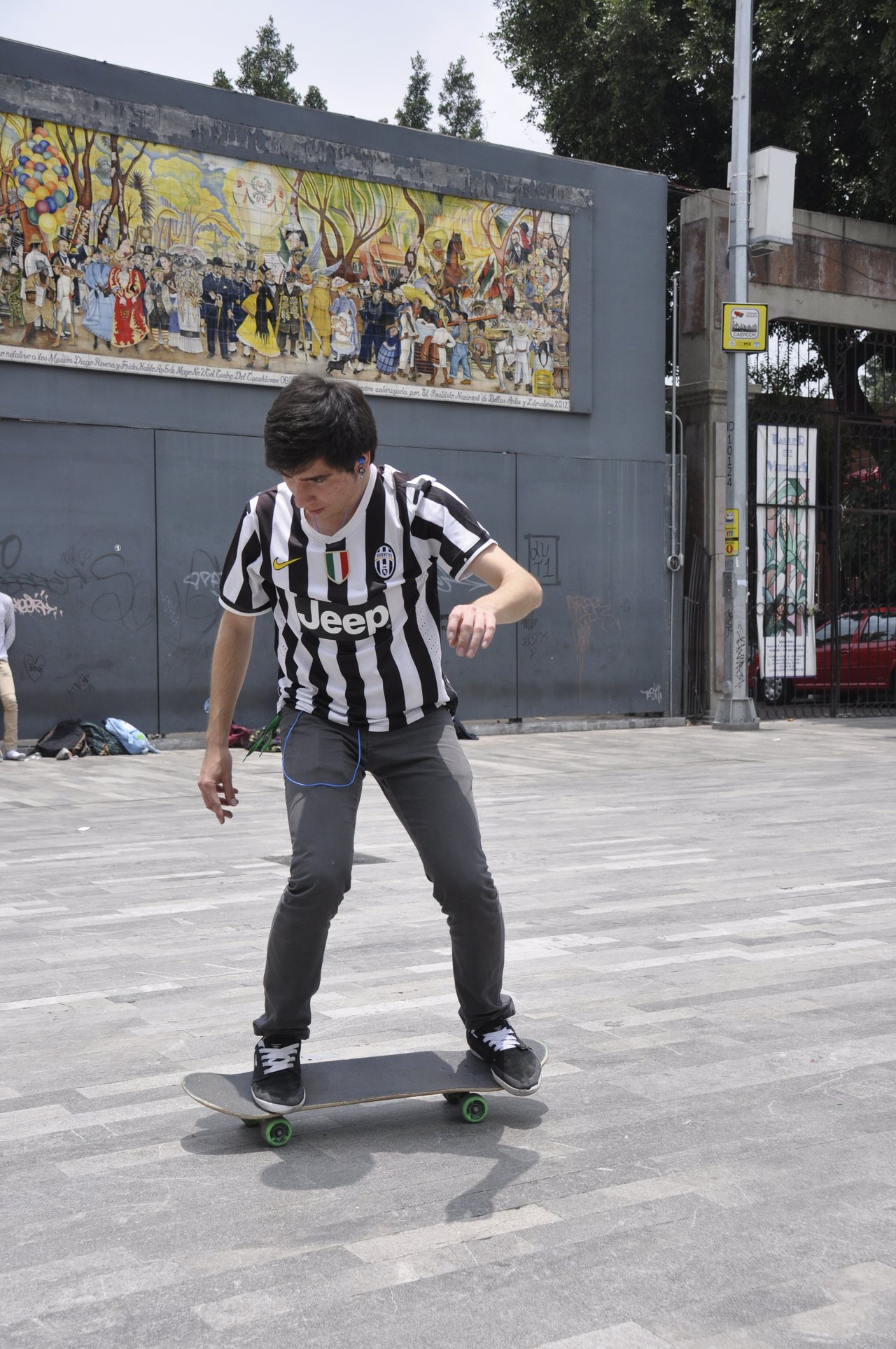
Skateboarder performing an ollie trick at a skatepark
Skateboarding culture exploded in the late 1990s, and Tony Hawk's Pro Skater was the accelerant.

Picture this: January 1998. A 12-person game development studio called Neversoft is bleeding money. They've been trying to make games that work, and it's not happening. The company is maybe three months away from going under. They're looking at potential deals and they're desperate. Activision calls. They want to talk about a game idea. It's a skateboarding game. Nobody had made a good skateboarding game before. The skateboarding games that existed were garbage. But here's the thing. Activision is interested. And Neversoft is not in a position to turn down money.

That conversation changed everything. Not just for Neversoft. Not just for video games. For skateboarding as a cultural force. For how the internet discovered music. For how game studios thought about franchises. For a generation of kids who owned this one game cartridge and played it until it stopped working.

The story of Tony Hawk's Pro Skater is a story about being in the right place at the right moment with the right team, and then understanding that you had something genuinely special. It's also a story about what happens when you think you've figured out a formula and you squeeze it until nothing is left.

The Setup

Neversoft was a scrappy studio that had been making games for various publishers, and nothing was working. They had some talented people but no real hits. When Activision approached them about making a skateboarding game, they said yes because the alternative was closing down. They licensed Tony Hawk himself. The idea was straightforward: make a game where you skateboard, do tricks, get points, win competitions. Like every other sports game, but with skateboarding.

Here's what they didn't know yet: they were going to invent an entirely different way of thinking about sports games. They were going to create something that didn't feel like other sports games at all. And they were going to do it on a shoestring budget with a team so small they all knew each other's coffee orders.

The game launched in September 1999 for PlayStation. Nobody expected it to do anything. It was a skateboarding game from a studio nobody had heard of, based on a sport that was still relatively niche, featuring a mode where you could catch fire and your skater would literally be on fire and you'd be doing tricks while burning. It was ridiculous. It was also amazing.

Here's what happened next. Neversoft took the money from Activision. They built the game. And what they created was genuinely innovative. They understood something about game design that most sports games didn't get. Sports games are fun if you love the sport. Tony Hawk's Pro Skater was fun if you liked video games. Different category entirely. The skateboarding was just the excuse. The real appeal was the arcade gameplay, the points, the multiplier, the satisfaction of chaining tricks together for insane combos.

The team was small enough that everyone knew the game intimately. Small enough that when something wasn't working, it got fixed. Small enough that there was actual creative vision rather than death by committee. Neversoft had been desperate to make something good. And desperation, combined with talent and a deadline, is a powerful motivator. They shipped in September 1999 and nobody expected what came next.

Here's the thing about timing: Tony Hawk landed the 900 on June 27, 1999, at the X Games in San Francisco. This is relevant because for non-skaters, the 900 is an insanely difficult trick. Hawk had been trying to do it for eleven years. And he landed it, live, in front of a massive audience, a few months before this game shipped. The media went nuts. Skateboarding went from a niche thing that adults were worried about to this cool thing that was happening. Right when the game came out.

The Magic

Original Sony PlayStation console, the platform where Tony Hawk's Pro Skater launched
The original PlayStation. For millions of players, this console and a copy of Tony Hawk's Pro Skater were inseparable.

What made Tony Hawk's Pro Skater work was that it didn't actually feel like a sports game. Sports games at that time were about statistics and seasons and climbing through rankings. They were slow. They were methodical. They were boring to most people. Tony Hawk was none of those things. You loaded up a course. You did tricks. The more tricks you did in a row, the higher your score multiplier got. It was pure arcade energy in a 3D skateboarding space.

And the soundtrack. Oh my God, the soundtrack. This is where the game becomes genuinely important to music history, which sounds hyperbolic, but it's true. The soundtrack featured Goldfinger doing "Superman," which is maybe the perfect pop punk song. It had Dead Kennedys, "Police Truck," because why not put Dead Kennedys in a mainstream game. It had Primus. Suicidal Tendencies. The Vandals. It had Rage Against the Machine. It had Beastie Boys. It had a mix of music that, if you put it on a radio station, would make no sense at all. But in the context of a skateboarding game, it was perfect. It felt like skateboarding music. And it introduced millions of kids to bands they'd never heard of.

The soundtrack wasn't random either. Tony Hawk's team actually thought about what music would feel right for skateboarding. They weren't just grabbing whatever was popular. They were thinking about the actual culture of skateboarding, what the subculture listened to, what would resonate. That's why you got punk bands. That's why you got Rage. That's why you got Dead Kennedys next to Goldfinger. It was a curated experience designed to feel authentic to skateboarding culture.

And because the game was successful, because millions of kids heard these songs in this game, the artists got paid. The Goldfinger song got radio play in ways it probably wouldn't have otherwise. The game became a gateway to music discovery. You bought the game. You heard the songs. You liked some of them. You looked up the bands. You bought their CDs. It was a genuinely effective marketing vector, but it worked because the music was actually good and actually fit.

This is different from modern game soundtracks where sometimes it feels like someone just bought licensing for popular songs. The Tony Hawk soundtrack felt intentional. It felt like it was part of the game, not just music playing in the background. That intentionality is why people remember it 25 years later.

The Goldfinger song became iconic. It became the song that defined the game. When people think about Tony Hawk's Pro Skater, a lot of them hear "Superman" in their heads. That song probably made Goldfinger millions of dollars in royalties. That song was on the radio constantly. That song is inextricably linked to a video game from 1999. The marketing synergy works because the song is genuinely great and it genuinely fits the game.

Activision shipped 350,000 units before the end of 1999. That was good but not spectacular. And then something happened. People played it. People loved it. They told their friends about it. In the pre-internet way that word-of-mouth worked, before social media, before YouTube, people just knew that this game was good. They rented it from Blockbuster. They bought it used at EB Games. They brought it to sleepovers. It became the game that everyone had.

The Business

Tony Hawk himself made an interesting decision during this process. When Neversoft and Activision were first negotiating to license his name, they offered him a one-time buyout. A check for 500,000 dollars to use his name and likeness. That's a lot of money. That's generational wealth for most people. That's the kind of money that you take if you're a professional skateboarder because you don't know if skateboarding will ever be lucrative again.

Tony Hawk turned it down. He asked for royalties instead. A percentage of every copy sold. Activision said okay. Which, in retrospect, was either incredibly generous of them or they had no idea how big this game was going to be. Probably the latter. Within two years, Hawk had made something like 5 million dollars from royalties. Within a decade, it was somewhere around 10 times that. The man made more money from skateboarding video games than from professional skateboarding.

The sequel came out in 2000. Tony Hawk's Pro Skater 2 sold approximately 7.5 million copies across all platforms. This became the best-selling game in the franchise. People loved it more than the first game. The formula had been refined. More tricks. More customization. More personality. Better music. The game had gotten bigger and everyone wanted it.

And here's where the problem starts. Because if you've got something this successful, the next thought is not "maybe we should make sure the next one is actually good." The next thought is "how many of these can we sell."

The Oversaturation

From 1999 to 2007, Activision released a Tony Hawk's Pro Skater game every single year. Every year. A new game. Same formula. Same engine, mostly. New soundtrack. New location. Some new features. But fundamentally the same game, coming out year after year after year.

Think about that. Imagine you love skateboarding games. You get the first one in 1999 and it's amazing. You get the second one in 2000 and it's somehow even better. You get the third one in 2001 and it's good. You get the fourth one in 2002 and it's fine. You get the fifth one in 2003 and you're starting to wonder if there's enough innovation to justify buying another skateboarding game. By 2005, when you're on the eighth game, you're definitely not buying it because you want a different experience. You're buying it because the last one is last year's version and this is the new one.

This is called franchise fatigue. This is what happens when a company figures out a successful formula and then mines it until there's nothing left. The worst part is that this strategy actually works in the short term. People buy the games. Sales are fine. Revenue is good. From a quarterly earnings report perspective, this is a huge success.

By 2006, the fatigue was obvious. Tony Hawk 6 sold fine, but reviews were getting harsh. Critics were pointing out that the game hadn't really changed. The formula was getting stale. The maps were similar. The tricks were the same. The only real difference was the soundtrack and some new locations. It's the exact same criticism that gets lobbed at annual sports franchises like Madden NFL. If you've played the previous version, you're basically playing the same game with roster updates.

But Activision was making money. The Q3 earnings report looked good. The franchise was still profitable. So why would they stop. From a business perspective, Tony Hawk was a money printer. You spend some development budget. You update the maps and soundtrack. You ship it. You collect revenue. Repeat every year. It's a perfectly rational business decision if you only care about short-term earnings.

But from a cultural perspective, it's a slow death. Each game that comes out is slightly worse than the last because there's nothing new to do. Neversoft knew this. The team knew they were just spinning out variations on the same game. But they kept doing it anyway because the paycheck kept coming.

The Shift

In 2007, after Pro Skater 8, Neversoft decided they were done with skateboarding. They shifted to a different franchise entirely. Guitar Hero. A music rhythm game where you play a guitar-shaped controller and hit colored notes in time with music. This was 2007. Activision had a hit. People loved Guitar Hero. It made sense from a business perspective. Keep making versions of Guitar Hero. Keep making versions of Tony Hawk. Both are franchises. Both print money. Both can be updated annually.

But the thing is, while Neversoft was busy making Guitar Hero, someone else took over Tony Hawk. A studio called Robomodo. They made Tony Hawk: Ride in 2009. This game came with a skateboard controller. An actual skateboard-shaped peripheral that you stood on to play the game. It was an interesting idea in theory. In practice, it was a disaster. The peripheral was finicky. The game was not very good. It sold poorly.

They tried again with Shred in 2010, which came with a skateboard and guitar controller because apparently they wanted to do both Tony Hawk and Guitar Hero at the same time. This also bombed. And then Tony Hawk just kind of fell apart. You had Tony Hawk 5 in 2015, which sold fewer than a million copies and was critically panned. Tony Hawk was dead. The franchise that had defined gaming in the early 2000s was finished.

The Remake That Worked

In 2020, nearly two decades after the original game, Vicarious Visions decided to remake Tony Hawk's Pro Skater 1 and 2 with modern graphics, modern physics, and the songs you actually remembered. They poured genuine love into this. They made sure the tricks felt right. They made sure the game captured the spirit of what made those original games so good. They brought back most of the original soundtrack.

This remake sold approximately 1 million copies in the first two weeks. It was the fastest-selling game in the franchise in years. Why. Because people actually remembered the original games being good, and the remake was genuinely good, and people wanted that experience again.

And then Vicarious Visions was absorbed into Blizzard in early 2021. They were working on a remake of Tony Hawk's Pro Skater 3 and 4. That project was scrapped. Tony Hawk confirmed it was scrapped. Blizzard absorbed the team and moved them onto other projects. The franchise went dormant again.

What made the Tony Hawk series unique is that it bridged two very different cultures. It wasn't a game just for skateboarders. It wasn't a game just for gamers. It was a game for anyone who thought skateboarding was cool and wanted to experience it virtually. That crossover appeal is why it sold so well. That crossover appeal is also why it was such a powerful marketing tool for the sport itself. If you played Tony Hawk, you might actually want to try skateboarding. You already knew the tricks. You understood the culture. The game made the sport accessible.

What Tony Hawk Actually Meant

The thing about Tony Hawk's Pro Skater is that it wasn't just a great game. It was a cultural artifact. It was the game that introduced millions of kids to music they'd never heard before. It was the game that made skateboarding cool right when skateboarding was becoming a serious sport. It was the game that proved that you could make a sports game that was actually fun for people who didn't care about sports. It was the game that showed that video game soundtracks could be as important as the gameplay itself.

And it all came from a desperate game studio trying to survive. If Activision hadn't called them in 1998, if they'd made any other game, if Tony Hawk hadn't landed the 900, if the soundtrack had been generic, if any of a hundred small things had gone differently, none of this happens. A lot of gaming history is the result of luck and timing and people caring about something enough to make it good.

The tragedy is that once something becomes profitable, the instinct is always to repeat it. To make it again. To make it again with slight variations. To squeeze every dollar out of the formula until there's nothing left. This happened to Tony Hawk. It happens to most franchises. It's the way the business works.

But for a moment, from 1999 to 2002 or so, before the annual releases started feeling like chores, Tony Hawk's Pro Skater was genuinely magic. It was a game that felt like skateboarding felt. That sounded like skateboarding felt. That captured something real about the culture and made it playable. That's a harder thing to do than it sounds.

FAQ

What was the best Tony Hawk's Pro Skater game? Generally agreed to be either the original (1999) or Tony Hawk's Pro Skater 2 (2000). The first was revolutionary, the second refined everything. After that, each game had diminishing returns.

Is Tony Hawk's Pro Skater 1+2 remake worth playing? Yes. If you remember loving the original games, the remake is legitimately good. It respects what made the originals special while updating the graphics and physics for modern systems.

Did Tony Hawk get paid royalties? Yes. He turned down a 500,000 dollar buyout and asked for royalties instead, which turned out to be one of the best business decisions of his life. He made exponentially more money from the game than he would have from the one-time payment.

Why did the annual releases kill the franchise? Franchise fatigue. When you're making a new game every year with minimal innovation, each game feels like last year's version with a different soundtrack. Players get tired of it. The game becomes viewed as a cash grab rather than a genuine new experience.

Was Ride really that bad? Tony Hawk: Ride had an interesting core concept with the skateboard peripheral, but the execution was flawed. The controller was finicky and didn't respond consistently. The game itself wasn't compelling enough to overcome hardware limitations. It's remembered as a low point in the franchise.

Could the franchise come back? Theoretically yes, but it would require someone to make a genuinely good Tony Hawk game that respects what made the originals special. After the 2020 remake was scrapped, it seems like Activision has other priorities.

What about Tony Hawk's real skateboarding career? Still going. He's in his 50s and still doing skateboarding demonstrations and competitions. He's been in skateboarding his entire life and shows no signs of stopping. The video game made him rich, but skateboarding was always his actual passion.

The successful remake demonstrated that the franchise retained enduring cultural value and mass appeal across generations of players.

๐Ÿ“– What Happened to Tony Hawk's Pro Skater, the Game That Made Skating Cool
_ โ–ก ร—
← Back

What Happened to Tony Hawk's Pro Skater, the Game That Made Skating Cool

2026-04-09 by 404 Memory Found
Skateboarder performing an ollie trick at a skatepark
Skateboarding culture exploded in the late 1990s, and Tony Hawk's Pro Skater was the accelerant.

Picture this: January 1998. A 12-person game development studio called Neversoft is bleeding money. They've been trying to make games that work, and it's not happening. The company is maybe three months away from going under. They're looking at potential deals and they're desperate. Activision calls. They want to talk about a game idea. It's a skateboarding game. Nobody had made a good skateboarding game before. The skateboarding games that existed were garbage. But here's the thing. Activision is interested. And Neversoft is not in a position to turn down money.

That conversation changed everything. Not just for Neversoft. Not just for video games. For skateboarding as a cultural force. For how the internet discovered music. For how game studios thought about franchises. For a generation of kids who owned this one game cartridge and played it until it stopped working.

The story of Tony Hawk's Pro Skater is a story about being in the right place at the right moment with the right team, and then understanding that you had something genuinely special. It's also a story about what happens when you think you've figured out a formula and you squeeze it until nothing is left.

The Setup

Neversoft was a scrappy studio that had been making games for various publishers, and nothing was working. They had some talented people but no real hits. When Activision approached them about making a skateboarding game, they said yes because the alternative was closing down. They licensed Tony Hawk himself. The idea was straightforward: make a game where you skateboard, do tricks, get points, win competitions. Like every other sports game, but with skateboarding.

Here's what they didn't know yet: they were going to invent an entirely different way of thinking about sports games. They were going to create something that didn't feel like other sports games at all. And they were going to do it on a shoestring budget with a team so small they all knew each other's coffee orders.

The game launched in September 1999 for PlayStation. Nobody expected it to do anything. It was a skateboarding game from a studio nobody had heard of, based on a sport that was still relatively niche, featuring a mode where you could catch fire and your skater would literally be on fire and you'd be doing tricks while burning. It was ridiculous. It was also amazing.

Here's what happened next. Neversoft took the money from Activision. They built the game. And what they created was genuinely innovative. They understood something about game design that most sports games didn't get. Sports games are fun if you love the sport. Tony Hawk's Pro Skater was fun if you liked video games. Different category entirely. The skateboarding was just the excuse. The real appeal was the arcade gameplay, the points, the multiplier, the satisfaction of chaining tricks together for insane combos.

The team was small enough that everyone knew the game intimately. Small enough that when something wasn't working, it got fixed. Small enough that there was actual creative vision rather than death by committee. Neversoft had been desperate to make something good. And desperation, combined with talent and a deadline, is a powerful motivator. They shipped in September 1999 and nobody expected what came next.

Here's the thing about timing: Tony Hawk landed the 900 on June 27, 1999, at the X Games in San Francisco. This is relevant because for non-skaters, the 900 is an insanely difficult trick. Hawk had been trying to do it for eleven years. And he landed it, live, in front of a massive audience, a few months before this game shipped. The media went nuts. Skateboarding went from a niche thing that adults were worried about to this cool thing that was happening. Right when the game came out.

The Magic

Original Sony PlayStation console, the platform where Tony Hawk's Pro Skater launched
The original PlayStation. For millions of players, this console and a copy of Tony Hawk's Pro Skater were inseparable.

What made Tony Hawk's Pro Skater work was that it didn't actually feel like a sports game. Sports games at that time were about statistics and seasons and climbing through rankings. They were slow. They were methodical. They were boring to most people. Tony Hawk was none of those things. You loaded up a course. You did tricks. The more tricks you did in a row, the higher your score multiplier got. It was pure arcade energy in a 3D skateboarding space.

And the soundtrack. Oh my God, the soundtrack. This is where the game becomes genuinely important to music history, which sounds hyperbolic, but it's true. The soundtrack featured Goldfinger doing "Superman," which is maybe the perfect pop punk song. It had Dead Kennedys, "Police Truck," because why not put Dead Kennedys in a mainstream game. It had Primus. Suicidal Tendencies. The Vandals. It had Rage Against the Machine. It had Beastie Boys. It had a mix of music that, if you put it on a radio station, would make no sense at all. But in the context of a skateboarding game, it was perfect. It felt like skateboarding music. And it introduced millions of kids to bands they'd never heard of.

The soundtrack wasn't random either. Tony Hawk's team actually thought about what music would feel right for skateboarding. They weren't just grabbing whatever was popular. They were thinking about the actual culture of skateboarding, what the subculture listened to, what would resonate. That's why you got punk bands. That's why you got Rage. That's why you got Dead Kennedys next to Goldfinger. It was a curated experience designed to feel authentic to skateboarding culture.

And because the game was successful, because millions of kids heard these songs in this game, the artists got paid. The Goldfinger song got radio play in ways it probably wouldn't have otherwise. The game became a gateway to music discovery. You bought the game. You heard the songs. You liked some of them. You looked up the bands. You bought their CDs. It was a genuinely effective marketing vector, but it worked because the music was actually good and actually fit.

This is different from modern game soundtracks where sometimes it feels like someone just bought licensing for popular songs. The Tony Hawk soundtrack felt intentional. It felt like it was part of the game, not just music playing in the background. That intentionality is why people remember it 25 years later.

The Goldfinger song became iconic. It became the song that defined the game. When people think about Tony Hawk's Pro Skater, a lot of them hear "Superman" in their heads. That song probably made Goldfinger millions of dollars in royalties. That song was on the radio constantly. That song is inextricably linked to a video game from 1999. The marketing synergy works because the song is genuinely great and it genuinely fits the game.

Activision shipped 350,000 units before the end of 1999. That was good but not spectacular. And then something happened. People played it. People loved it. They told their friends about it. In the pre-internet way that word-of-mouth worked, before social media, before YouTube, people just knew that this game was good. They rented it from Blockbuster. They bought it used at EB Games. They brought it to sleepovers. It became the game that everyone had.

The Business

Tony Hawk himself made an interesting decision during this process. When Neversoft and Activision were first negotiating to license his name, they offered him a one-time buyout. A check for 500,000 dollars to use his name and likeness. That's a lot of money. That's generational wealth for most people. That's the kind of money that you take if you're a professional skateboarder because you don't know if skateboarding will ever be lucrative again.

Tony Hawk turned it down. He asked for royalties instead. A percentage of every copy sold. Activision said okay. Which, in retrospect, was either incredibly generous of them or they had no idea how big this game was going to be. Probably the latter. Within two years, Hawk had made something like 5 million dollars from royalties. Within a decade, it was somewhere around 10 times that. The man made more money from skateboarding video games than from professional skateboarding.

The sequel came out in 2000. Tony Hawk's Pro Skater 2 sold approximately 7.5 million copies across all platforms. This became the best-selling game in the franchise. People loved it more than the first game. The formula had been refined. More tricks. More customization. More personality. Better music. The game had gotten bigger and everyone wanted it.

And here's where the problem starts. Because if you've got something this successful, the next thought is not "maybe we should make sure the next one is actually good." The next thought is "how many of these can we sell."

The Oversaturation

From 1999 to 2007, Activision released a Tony Hawk's Pro Skater game every single year. Every year. A new game. Same formula. Same engine, mostly. New soundtrack. New location. Some new features. But fundamentally the same game, coming out year after year after year.

Think about that. Imagine you love skateboarding games. You get the first one in 1999 and it's amazing. You get the second one in 2000 and it's somehow even better. You get the third one in 2001 and it's good. You get the fourth one in 2002 and it's fine. You get the fifth one in 2003 and you're starting to wonder if there's enough innovation to justify buying another skateboarding game. By 2005, when you're on the eighth game, you're definitely not buying it because you want a different experience. You're buying it because the last one is last year's version and this is the new one.

This is called franchise fatigue. This is what happens when a company figures out a successful formula and then mines it until there's nothing left. The worst part is that this strategy actually works in the short term. People buy the games. Sales are fine. Revenue is good. From a quarterly earnings report perspective, this is a huge success.

By 2006, the fatigue was obvious. Tony Hawk 6 sold fine, but reviews were getting harsh. Critics were pointing out that the game hadn't really changed. The formula was getting stale. The maps were similar. The tricks were the same. The only real difference was the soundtrack and some new locations. It's the exact same criticism that gets lobbed at annual sports franchises like Madden NFL. If you've played the previous version, you're basically playing the same game with roster updates.

But Activision was making money. The Q3 earnings report looked good. The franchise was still profitable. So why would they stop. From a business perspective, Tony Hawk was a money printer. You spend some development budget. You update the maps and soundtrack. You ship it. You collect revenue. Repeat every year. It's a perfectly rational business decision if you only care about short-term earnings.

But from a cultural perspective, it's a slow death. Each game that comes out is slightly worse than the last because there's nothing new to do. Neversoft knew this. The team knew they were just spinning out variations on the same game. But they kept doing it anyway because the paycheck kept coming.

The Shift

In 2007, after Pro Skater 8, Neversoft decided they were done with skateboarding. They shifted to a different franchise entirely. Guitar Hero. A music rhythm game where you play a guitar-shaped controller and hit colored notes in time with music. This was 2007. Activision had a hit. People loved Guitar Hero. It made sense from a business perspective. Keep making versions of Guitar Hero. Keep making versions of Tony Hawk. Both are franchises. Both print money. Both can be updated annually.

But the thing is, while Neversoft was busy making Guitar Hero, someone else took over Tony Hawk. A studio called Robomodo. They made Tony Hawk: Ride in 2009. This game came with a skateboard controller. An actual skateboard-shaped peripheral that you stood on to play the game. It was an interesting idea in theory. In practice, it was a disaster. The peripheral was finicky. The game was not very good. It sold poorly.

They tried again with Shred in 2010, which came with a skateboard and guitar controller because apparently they wanted to do both Tony Hawk and Guitar Hero at the same time. This also bombed. And then Tony Hawk just kind of fell apart. You had Tony Hawk 5 in 2015, which sold fewer than a million copies and was critically panned. Tony Hawk was dead. The franchise that had defined gaming in the early 2000s was finished.

The Remake That Worked

In 2020, nearly two decades after the original game, Vicarious Visions decided to remake Tony Hawk's Pro Skater 1 and 2 with modern graphics, modern physics, and the songs you actually remembered. They poured genuine love into this. They made sure the tricks felt right. They made sure the game captured the spirit of what made those original games so good. They brought back most of the original soundtrack.

This remake sold approximately 1 million copies in the first two weeks. It was the fastest-selling game in the franchise in years. Why. Because people actually remembered the original games being good, and the remake was genuinely good, and people wanted that experience again.

And then Vicarious Visions was absorbed into Blizzard in early 2021. They were working on a remake of Tony Hawk's Pro Skater 3 and 4. That project was scrapped. Tony Hawk confirmed it was scrapped. Blizzard absorbed the team and moved them onto other projects. The franchise went dormant again.

What made the Tony Hawk series unique is that it bridged two very different cultures. It wasn't a game just for skateboarders. It wasn't a game just for gamers. It was a game for anyone who thought skateboarding was cool and wanted to experience it virtually. That crossover appeal is why it sold so well. That crossover appeal is also why it was such a powerful marketing tool for the sport itself. If you played Tony Hawk, you might actually want to try skateboarding. You already knew the tricks. You understood the culture. The game made the sport accessible.

What Tony Hawk Actually Meant

The thing about Tony Hawk's Pro Skater is that it wasn't just a great game. It was a cultural artifact. It was the game that introduced millions of kids to music they'd never heard before. It was the game that made skateboarding cool right when skateboarding was becoming a serious sport. It was the game that proved that you could make a sports game that was actually fun for people who didn't care about sports. It was the game that showed that video game soundtracks could be as important as the gameplay itself.

And it all came from a desperate game studio trying to survive. If Activision hadn't called them in 1998, if they'd made any other game, if Tony Hawk hadn't landed the 900, if the soundtrack had been generic, if any of a hundred small things had gone differently, none of this happens. A lot of gaming history is the result of luck and timing and people caring about something enough to make it good.

The tragedy is that once something becomes profitable, the instinct is always to repeat it. To make it again. To make it again with slight variations. To squeeze every dollar out of the formula until there's nothing left. This happened to Tony Hawk. It happens to most franchises. It's the way the business works.

But for a moment, from 1999 to 2002 or so, before the annual releases started feeling like chores, Tony Hawk's Pro Skater was genuinely magic. It was a game that felt like skateboarding felt. That sounded like skateboarding felt. That captured something real about the culture and made it playable. That's a harder thing to do than it sounds.

FAQ

What was the best Tony Hawk's Pro Skater game? Generally agreed to be either the original (1999) or Tony Hawk's Pro Skater 2 (2000). The first was revolutionary, the second refined everything. After that, each game had diminishing returns.

Is Tony Hawk's Pro Skater 1+2 remake worth playing? Yes. If you remember loving the original games, the remake is legitimately good. It respects what made the originals special while updating the graphics and physics for modern systems.

Did Tony Hawk get paid royalties? Yes. He turned down a 500,000 dollar buyout and asked for royalties instead, which turned out to be one of the best business decisions of his life. He made exponentially more money from the game than he would have from the one-time payment.

Why did the annual releases kill the franchise? Franchise fatigue. When you're making a new game every year with minimal innovation, each game feels like last year's version with a different soundtrack. Players get tired of it. The game becomes viewed as a cash grab rather than a genuine new experience.

Was Ride really that bad? Tony Hawk: Ride had an interesting core concept with the skateboard peripheral, but the execution was flawed. The controller was finicky and didn't respond consistently. The game itself wasn't compelling enough to overcome hardware limitations. It's remembered as a low point in the franchise.

Could the franchise come back? Theoretically yes, but it would require someone to make a genuinely good Tony Hawk game that respects what made the originals special. After the 2020 remake was scrapped, it seems like Activision has other priorities.

What about Tony Hawk's real skateboarding career? Still going. He's in his 50s and still doing skateboarding demonstrations and competitions. He's been in skateboarding his entire life and shows no signs of stopping. The video game made him rich, but skateboarding was always his actual passion.

The successful remake demonstrated that the franchise retained enduring cultural value and mass appeal across generations of players.

๐Ÿ“– What Happened to Tony Hawk's Pro Skater, the Game That Made Skating Cool
Skateboarder performing an ollie trick at a skatepark
Skateboarding culture exploded in the late 1990s, and Tony Hawk's Pro Skater was the accelerant.

Picture this: January 1998. A 12-person game development studio called Neversoft is bleeding money. They've been trying to make games that work, and it's not happening. The company is maybe three months away from going under. They're looking at potential deals and they're desperate. Activision calls. They want to talk about a game idea. It's a skateboarding game. Nobody had made a good skateboarding game before. The skateboarding games that existed were garbage. But here's the thing. Activision is interested. And Neversoft is not in a position to turn down money.

That conversation changed everything. Not just for Neversoft. Not just for video games. For skateboarding as a cultural force. For how the internet discovered music. For how game studios thought about franchises. For a generation of kids who owned this one game cartridge and played it until it stopped working.

The story of Tony Hawk's Pro Skater is a story about being in the right place at the right moment with the right team, and then understanding that you had something genuinely special. It's also a story about what happens when you think you've figured out a formula and you squeeze it until nothing is left.

The Setup

Neversoft was a scrappy studio that had been making games for various publishers, and nothing was working. They had some talented people but no real hits. When Activision approached them about making a skateboarding game, they said yes because the alternative was closing down. They licensed Tony Hawk himself. The idea was straightforward: make a game where you skateboard, do tricks, get points, win competitions. Like every other sports game, but with skateboarding.

Here's what they didn't know yet: they were going to invent an entirely different way of thinking about sports games. They were going to create something that didn't feel like other sports games at all. And they were going to do it on a shoestring budget with a team so small they all knew each other's coffee orders.

The game launched in September 1999 for PlayStation. Nobody expected it to do anything. It was a skateboarding game from a studio nobody had heard of, based on a sport that was still relatively niche, featuring a mode where you could catch fire and your skater would literally be on fire and you'd be doing tricks while burning. It was ridiculous. It was also amazing.

Here's what happened next. Neversoft took the money from Activision. They built the game. And what they created was genuinely innovative. They understood something about game design that most sports games didn't get. Sports games are fun if you love the sport. Tony Hawk's Pro Skater was fun if you liked video games. Different category entirely. The skateboarding was just the excuse. The real appeal was the arcade gameplay, the points, the multiplier, the satisfaction of chaining tricks together for insane combos.

The team was small enough that everyone knew the game intimately. Small enough that when something wasn't working, it got fixed. Small enough that there was actual creative vision rather than death by committee. Neversoft had been desperate to make something good. And desperation, combined with talent and a deadline, is a powerful motivator. They shipped in September 1999 and nobody expected what came next.

Here's the thing about timing: Tony Hawk landed the 900 on June 27, 1999, at the X Games in San Francisco. This is relevant because for non-skaters, the 900 is an insanely difficult trick. Hawk had been trying to do it for eleven years. And he landed it, live, in front of a massive audience, a few months before this game shipped. The media went nuts. Skateboarding went from a niche thing that adults were worried about to this cool thing that was happening. Right when the game came out.

The Magic

Original Sony PlayStation console, the platform where Tony Hawk's Pro Skater launched
The original PlayStation. For millions of players, this console and a copy of Tony Hawk's Pro Skater were inseparable.

What made Tony Hawk's Pro Skater work was that it didn't actually feel like a sports game. Sports games at that time were about statistics and seasons and climbing through rankings. They were slow. They were methodical. They were boring to most people. Tony Hawk was none of those things. You loaded up a course. You did tricks. The more tricks you did in a row, the higher your score multiplier got. It was pure arcade energy in a 3D skateboarding space.

And the soundtrack. Oh my God, the soundtrack. This is where the game becomes genuinely important to music history, which sounds hyperbolic, but it's true. The soundtrack featured Goldfinger doing "Superman," which is maybe the perfect pop punk song. It had Dead Kennedys, "Police Truck," because why not put Dead Kennedys in a mainstream game. It had Primus. Suicidal Tendencies. The Vandals. It had Rage Against the Machine. It had Beastie Boys. It had a mix of music that, if you put it on a radio station, would make no sense at all. But in the context of a skateboarding game, it was perfect. It felt like skateboarding music. And it introduced millions of kids to bands they'd never heard of.

The soundtrack wasn't random either. Tony Hawk's team actually thought about what music would feel right for skateboarding. They weren't just grabbing whatever was popular. They were thinking about the actual culture of skateboarding, what the subculture listened to, what would resonate. That's why you got punk bands. That's why you got Rage. That's why you got Dead Kennedys next to Goldfinger. It was a curated experience designed to feel authentic to skateboarding culture.

And because the game was successful, because millions of kids heard these songs in this game, the artists got paid. The Goldfinger song got radio play in ways it probably wouldn't have otherwise. The game became a gateway to music discovery. You bought the game. You heard the songs. You liked some of them. You looked up the bands. You bought their CDs. It was a genuinely effective marketing vector, but it worked because the music was actually good and actually fit.

This is different from modern game soundtracks where sometimes it feels like someone just bought licensing for popular songs. The Tony Hawk soundtrack felt intentional. It felt like it was part of the game, not just music playing in the background. That intentionality is why people remember it 25 years later.

The Goldfinger song became iconic. It became the song that defined the game. When people think about Tony Hawk's Pro Skater, a lot of them hear "Superman" in their heads. That song probably made Goldfinger millions of dollars in royalties. That song was on the radio constantly. That song is inextricably linked to a video game from 1999. The marketing synergy works because the song is genuinely great and it genuinely fits the game.

Activision shipped 350,000 units before the end of 1999. That was good but not spectacular. And then something happened. People played it. People loved it. They told their friends about it. In the pre-internet way that word-of-mouth worked, before social media, before YouTube, people just knew that this game was good. They rented it from Blockbuster. They bought it used at EB Games. They brought it to sleepovers. It became the game that everyone had.

The Business

Tony Hawk himself made an interesting decision during this process. When Neversoft and Activision were first negotiating to license his name, they offered him a one-time buyout. A check for 500,000 dollars to use his name and likeness. That's a lot of money. That's generational wealth for most people. That's the kind of money that you take if you're a professional skateboarder because you don't know if skateboarding will ever be lucrative again.

Tony Hawk turned it down. He asked for royalties instead. A percentage of every copy sold. Activision said okay. Which, in retrospect, was either incredibly generous of them or they had no idea how big this game was going to be. Probably the latter. Within two years, Hawk had made something like 5 million dollars from royalties. Within a decade, it was somewhere around 10 times that. The man made more money from skateboarding video games than from professional skateboarding.

The sequel came out in 2000. Tony Hawk's Pro Skater 2 sold approximately 7.5 million copies across all platforms. This became the best-selling game in the franchise. People loved it more than the first game. The formula had been refined. More tricks. More customization. More personality. Better music. The game had gotten bigger and everyone wanted it.

And here's where the problem starts. Because if you've got something this successful, the next thought is not "maybe we should make sure the next one is actually good." The next thought is "how many of these can we sell."

The Oversaturation

From 1999 to 2007, Activision released a Tony Hawk's Pro Skater game every single year. Every year. A new game. Same formula. Same engine, mostly. New soundtrack. New location. Some new features. But fundamentally the same game, coming out year after year after year.

Think about that. Imagine you love skateboarding games. You get the first one in 1999 and it's amazing. You get the second one in 2000 and it's somehow even better. You get the third one in 2001 and it's good. You get the fourth one in 2002 and it's fine. You get the fifth one in 2003 and you're starting to wonder if there's enough innovation to justify buying another skateboarding game. By 2005, when you're on the eighth game, you're definitely not buying it because you want a different experience. You're buying it because the last one is last year's version and this is the new one.

This is called franchise fatigue. This is what happens when a company figures out a successful formula and then mines it until there's nothing left. The worst part is that this strategy actually works in the short term. People buy the games. Sales are fine. Revenue is good. From a quarterly earnings report perspective, this is a huge success.

By 2006, the fatigue was obvious. Tony Hawk 6 sold fine, but reviews were getting harsh. Critics were pointing out that the game hadn't really changed. The formula was getting stale. The maps were similar. The tricks were the same. The only real difference was the soundtrack and some new locations. It's the exact same criticism that gets lobbed at annual sports franchises like Madden NFL. If you've played the previous version, you're basically playing the same game with roster updates.

But Activision was making money. The Q3 earnings report looked good. The franchise was still profitable. So why would they stop. From a business perspective, Tony Hawk was a money printer. You spend some development budget. You update the maps and soundtrack. You ship it. You collect revenue. Repeat every year. It's a perfectly rational business decision if you only care about short-term earnings.

But from a cultural perspective, it's a slow death. Each game that comes out is slightly worse than the last because there's nothing new to do. Neversoft knew this. The team knew they were just spinning out variations on the same game. But they kept doing it anyway because the paycheck kept coming.

The Shift

In 2007, after Pro Skater 8, Neversoft decided they were done with skateboarding. They shifted to a different franchise entirely. Guitar Hero. A music rhythm game where you play a guitar-shaped controller and hit colored notes in time with music. This was 2007. Activision had a hit. People loved Guitar Hero. It made sense from a business perspective. Keep making versions of Guitar Hero. Keep making versions of Tony Hawk. Both are franchises. Both print money. Both can be updated annually.

But the thing is, while Neversoft was busy making Guitar Hero, someone else took over Tony Hawk. A studio called Robomodo. They made Tony Hawk: Ride in 2009. This game came with a skateboard controller. An actual skateboard-shaped peripheral that you stood on to play the game. It was an interesting idea in theory. In practice, it was a disaster. The peripheral was finicky. The game was not very good. It sold poorly.

They tried again with Shred in 2010, which came with a skateboard and guitar controller because apparently they wanted to do both Tony Hawk and Guitar Hero at the same time. This also bombed. And then Tony Hawk just kind of fell apart. You had Tony Hawk 5 in 2015, which sold fewer than a million copies and was critically panned. Tony Hawk was dead. The franchise that had defined gaming in the early 2000s was finished.

The Remake That Worked

In 2020, nearly two decades after the original game, Vicarious Visions decided to remake Tony Hawk's Pro Skater 1 and 2 with modern graphics, modern physics, and the songs you actually remembered. They poured genuine love into this. They made sure the tricks felt right. They made sure the game captured the spirit of what made those original games so good. They brought back most of the original soundtrack.

This remake sold approximately 1 million copies in the first two weeks. It was the fastest-selling game in the franchise in years. Why. Because people actually remembered the original games being good, and the remake was genuinely good, and people wanted that experience again.

And then Vicarious Visions was absorbed into Blizzard in early 2021. They were working on a remake of Tony Hawk's Pro Skater 3 and 4. That project was scrapped. Tony Hawk confirmed it was scrapped. Blizzard absorbed the team and moved them onto other projects. The franchise went dormant again.

What made the Tony Hawk series unique is that it bridged two very different cultures. It wasn't a game just for skateboarders. It wasn't a game just for gamers. It was a game for anyone who thought skateboarding was cool and wanted to experience it virtually. That crossover appeal is why it sold so well. That crossover appeal is also why it was such a powerful marketing tool for the sport itself. If you played Tony Hawk, you might actually want to try skateboarding. You already knew the tricks. You understood the culture. The game made the sport accessible.

What Tony Hawk Actually Meant

The thing about Tony Hawk's Pro Skater is that it wasn't just a great game. It was a cultural artifact. It was the game that introduced millions of kids to music they'd never heard before. It was the game that made skateboarding cool right when skateboarding was becoming a serious sport. It was the game that proved that you could make a sports game that was actually fun for people who didn't care about sports. It was the game that showed that video game soundtracks could be as important as the gameplay itself.

And it all came from a desperate game studio trying to survive. If Activision hadn't called them in 1998, if they'd made any other game, if Tony Hawk hadn't landed the 900, if the soundtrack had been generic, if any of a hundred small things had gone differently, none of this happens. A lot of gaming history is the result of luck and timing and people caring about something enough to make it good.

The tragedy is that once something becomes profitable, the instinct is always to repeat it. To make it again. To make it again with slight variations. To squeeze every dollar out of the formula until there's nothing left. This happened to Tony Hawk. It happens to most franchises. It's the way the business works.

But for a moment, from 1999 to 2002 or so, before the annual releases started feeling like chores, Tony Hawk's Pro Skater was genuinely magic. It was a game that felt like skateboarding felt. That sounded like skateboarding felt. That captured something real about the culture and made it playable. That's a harder thing to do than it sounds.

FAQ

What was the best Tony Hawk's Pro Skater game? Generally agreed to be either the original (1999) or Tony Hawk's Pro Skater 2 (2000). The first was revolutionary, the second refined everything. After that, each game had diminishing returns.

Is Tony Hawk's Pro Skater 1+2 remake worth playing? Yes. If you remember loving the original games, the remake is legitimately good. It respects what made the originals special while updating the graphics and physics for modern systems.

Did Tony Hawk get paid royalties? Yes. He turned down a 500,000 dollar buyout and asked for royalties instead, which turned out to be one of the best business decisions of his life. He made exponentially more money from the game than he would have from the one-time payment.

Why did the annual releases kill the franchise? Franchise fatigue. When you're making a new game every year with minimal innovation, each game feels like last year's version with a different soundtrack. Players get tired of it. The game becomes viewed as a cash grab rather than a genuine new experience.

Was Ride really that bad? Tony Hawk: Ride had an interesting core concept with the skateboard peripheral, but the execution was flawed. The controller was finicky and didn't respond consistently. The game itself wasn't compelling enough to overcome hardware limitations. It's remembered as a low point in the franchise.

Could the franchise come back? Theoretically yes, but it would require someone to make a genuinely good Tony Hawk game that respects what made the originals special. After the 2020 remake was scrapped, it seems like Activision has other priorities.

What about Tony Hawk's real skateboarding career? Still going. He's in his 50s and still doing skateboarding demonstrations and competitions. He's been in skateboarding his entire life and shows no signs of stopping. The video game made him rich, but skateboarding was always his actual passion.

The successful remake demonstrated that the franchise retained enduring cultural value and mass appeal across generations of players.

00:00